Accelerated biological aging links to higher gout risk and increased mortality
Data from NHANES and the UK Biobank show phenotypic and biological age measures track with gout incidence and subsequent survival.
Maturitas
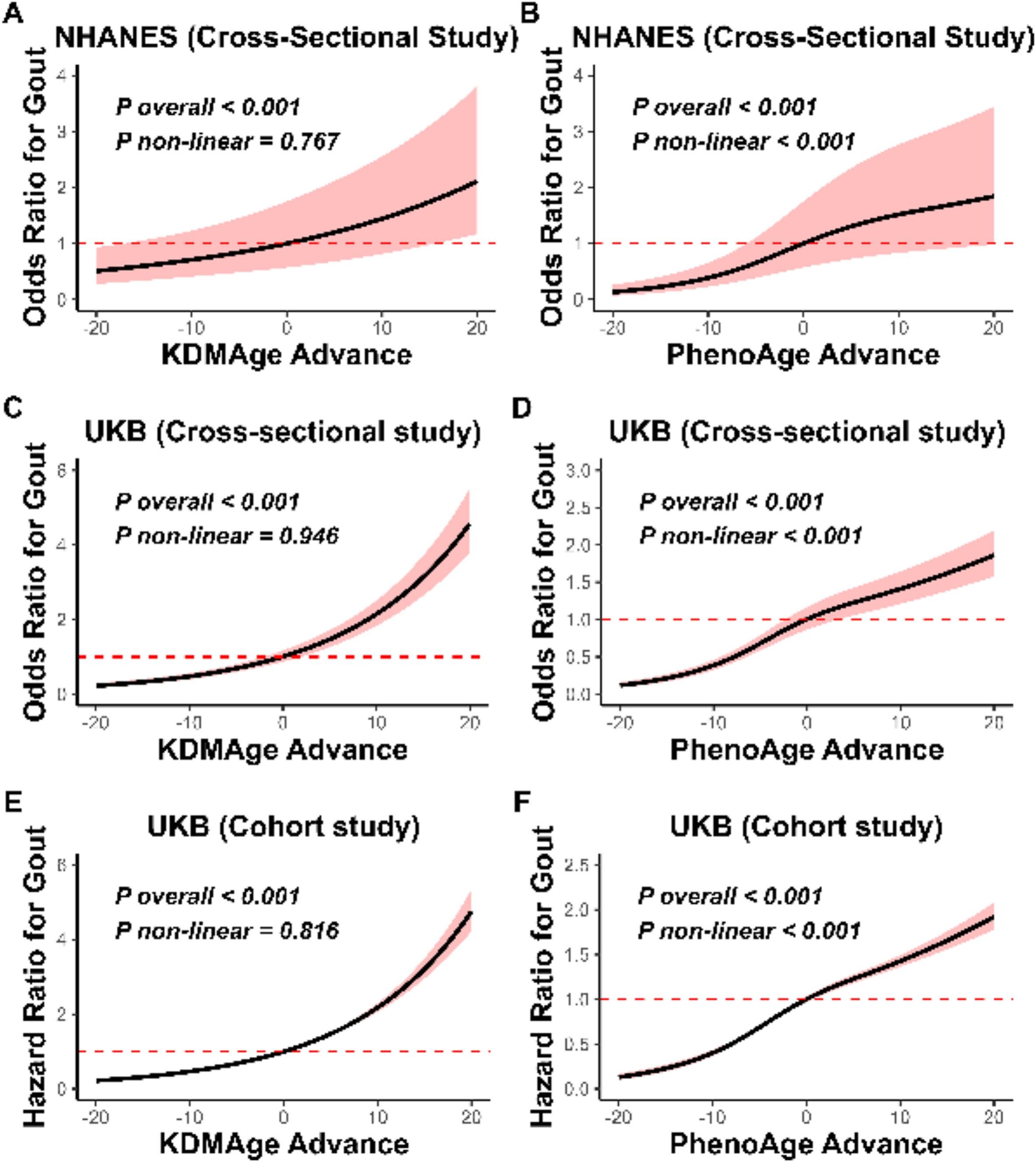
In human participants from the National Health and Nutrition Examination Survey (NHANES) and the UK Biobank, researchers examined whether biological age tracks with gout and mortality. The investigators quantified biological aging using the Klemera-Doubal method (KDMAge) and phenotypic age (PhenoAge). In the cross-sectional NHANES cohort, each one-year advance in KDMAge or PhenoAge was associated with a 4% higher risk of gout. In the prospective UK Biobank cohort, accelerated biological aging predicted incident gout, with hazard ratios of 1.80 for KDMAge advance and 1.69 for PhenoAge advance. Among individuals diagnosed with gout, accelerated biological aging was linked to a 21% to 134% increase in the risk of all-cause mortality.
Why it matters
The findings show that composite biological aging markers associate with metabolic and inflammatory joint disease. They indicate that multi-system aging measures capture variations in gout vulnerability and long-term survival beyond chronological age alone.
Caveats
The findings derive from observational cohorts and cannot establish causality. Gout identification methods also varied, relying on self-reported physician diagnoses in NHANES and inpatient hospital records in the UK Biobank.
The paper
Shanxi Academy of Medical Sciences
Maturitas · 25 Sep 2026