Aged mice-derived bronchial epithelial cells regulate Th17 cell differentiation in asthma via the MBD2-sICOSL axis
Abstract
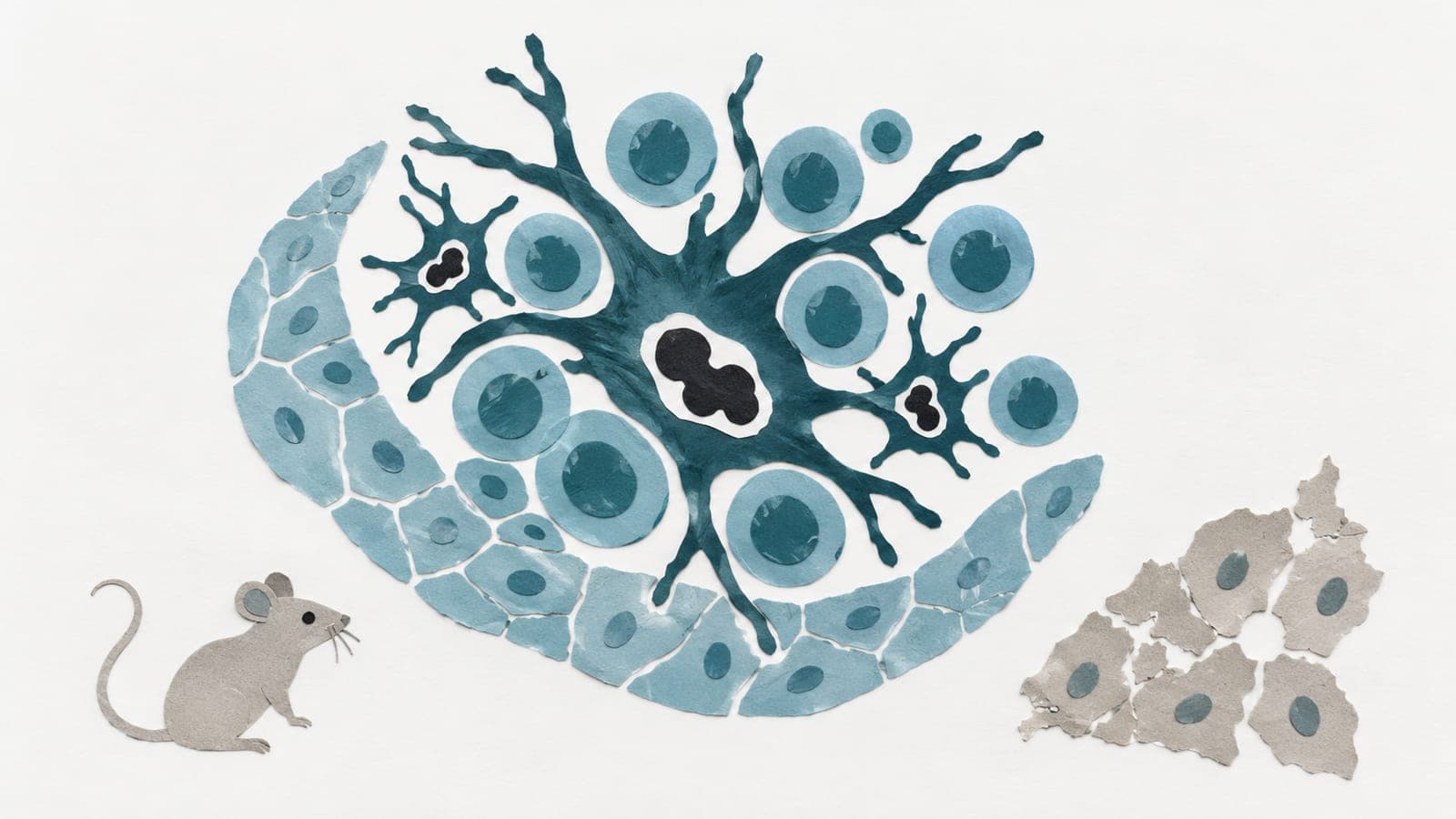
Th17 cells are involved in the pathogenesis of elderly asthma. Bronchial epithelial cells (BECs) can act as antigen-presenting cells, and our previous studies have shown that methyl-CPG binding domain protein 2 (MBD2) in BECs can promote Th17 cell differentiation in asthma. However, the effect of BECs from different age groups (young and old) on Th17 cells remains unclear. In this study, BECs were co-cultured with CD4⁺ T cells, and it was found that BECs from young mice promoted the biased differentiation of Th2 cells, while BECs from older mice facilitated the biased differentiation of Th17 cells. Interestingly, MBD2 was highly expressed in BECs from older mice compared to BECs from young mice. MBD2 silencing induced inhibition of Th17 cell differentiation, while MBD2 overexpression reversed this change and promoted Th cell differentiation into Th17 cells. Soluble inducible T cell costimulator ligand (sICOSL) is mainly involved in the regulation of T cells after activation. In this study, we found that sICOSL levels were lower in BECs of old mice compared to BECs of young mice. Mechanistically, sICOSL levels increased with MBD2 silencing and decreased with MBD2 overexpression. As expected, the addition of anti-sICOSL antibodies significantly enhanced Th17 cell differentiation and suppressed Th2 cell differentiation, while exogenous sICOSL supplementation promoted Th2 cell differentiation and inhibited Th17 cell differentiation. However, neither anti-sICOSL nor exogenous sICOSL affected the expression of MBD2. Taken together, these results suggest that BECs from older mice regulate Th17 cell differentiation via the MBD2-sICOSL axis. These findings provide new insights into the pathogenesis of Th17-activated asthma in elderly patients.
The paper
Central South University
Cellular Immunology, 15 Apr 2025