Cardioprotective effect of senotherapy in chronically obese middle-aged female rats may be mediated by a MERCSs/Nrf2 interaction
Abstract
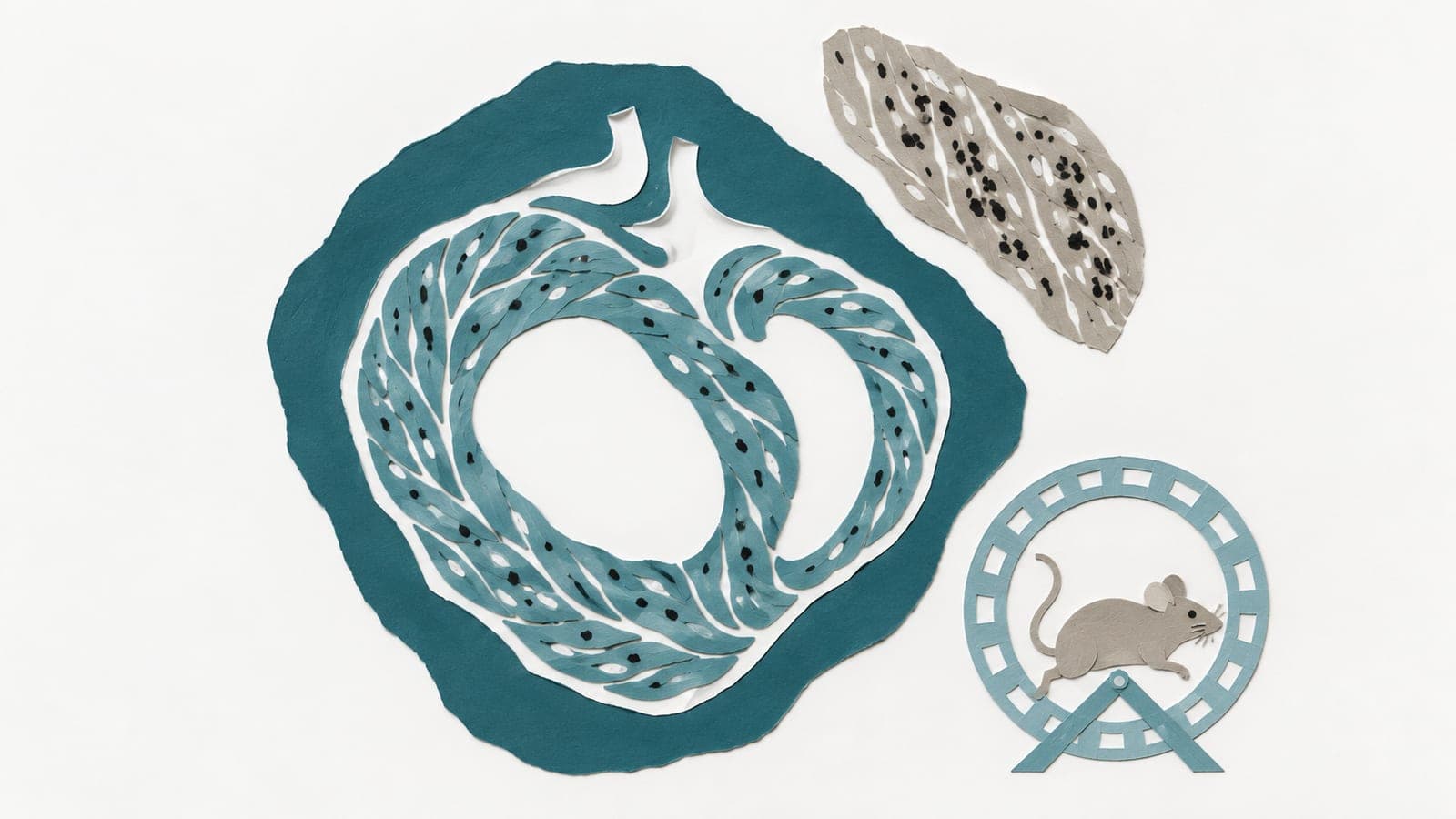
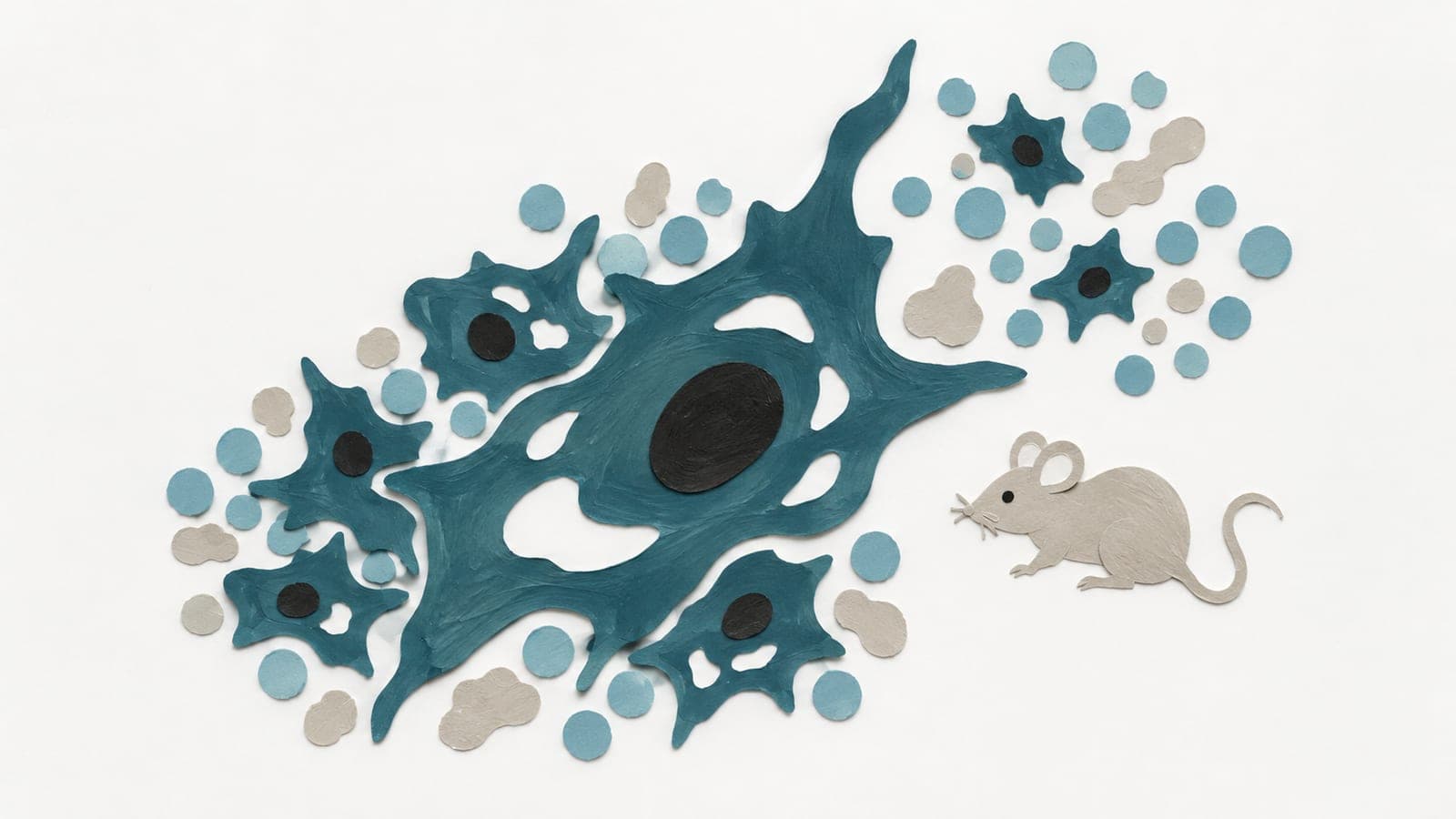
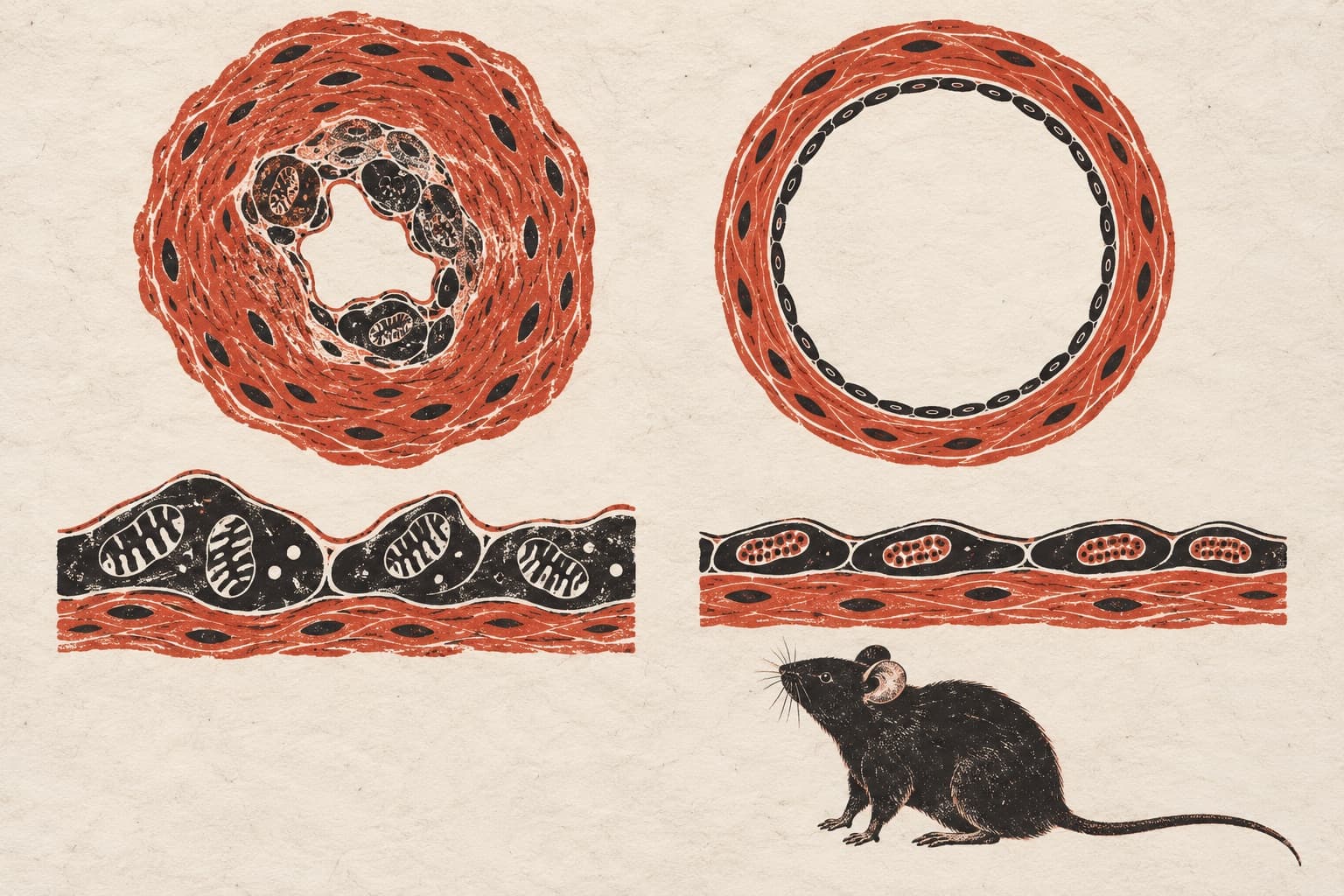
Hypercaloric intake promotes the development of obesity, a risk factor for cardiovascular disease (CVD). In recent years, it has been suggested that senescent cells have negative implications for the outcome of these chronic pathologies, and senotherapy has emerged as a novel intervention to reduce damage to the organism. However, it is unclear whether the accumulation of senescent cells induces alterations at the cardiac level in rats fed a hypercaloric diet (HD) and if the use of senotherapeutics can reverse it. To address this question, we used middle-aged female rats fed HD from 21 days to 15 months of age. Under our experimental conditions, rats exhibited cardiac hypertrophy and fibrosis, accumulation of senescent cells, changes in mitochondrial morphology, and oxidative stress. Rats were treated for 2 months with senolytic (dasatinib + quercetin, DQ) or senomorphic (sulforaphane, SFN) agents. Interestingly, the HD rats showed cardiac improvement after the treatment. Our data suggest a possible link mechanism between Nrf2 activation and mitochondria-endoplasmic reticulum contact sites (MERCSs) preservation, activated by SFN rather than by the DQ combination, which allowed cardiac structure maintenance in HD rats decreasing the harmful effects of senescent cells.
The paper
Instituto Nacional de Cardiología; Universidad Autónoma Metropolitana
The Journal of Nutritional Biochemistry, 17 Apr 2025