NAD⁺ boosting increases atherosclerotic plaques and inflammation in Apoe knockout mice
Abstract
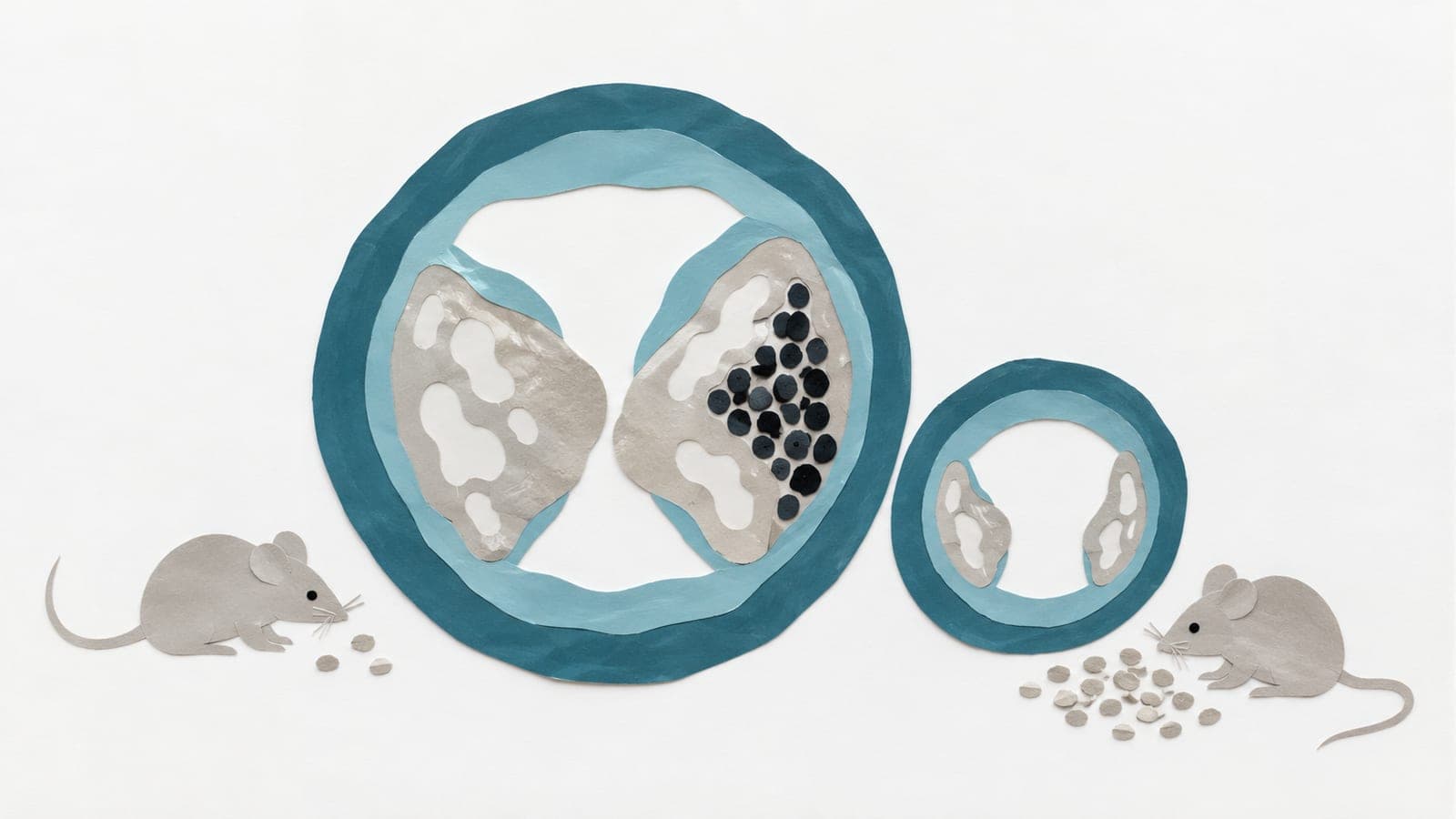
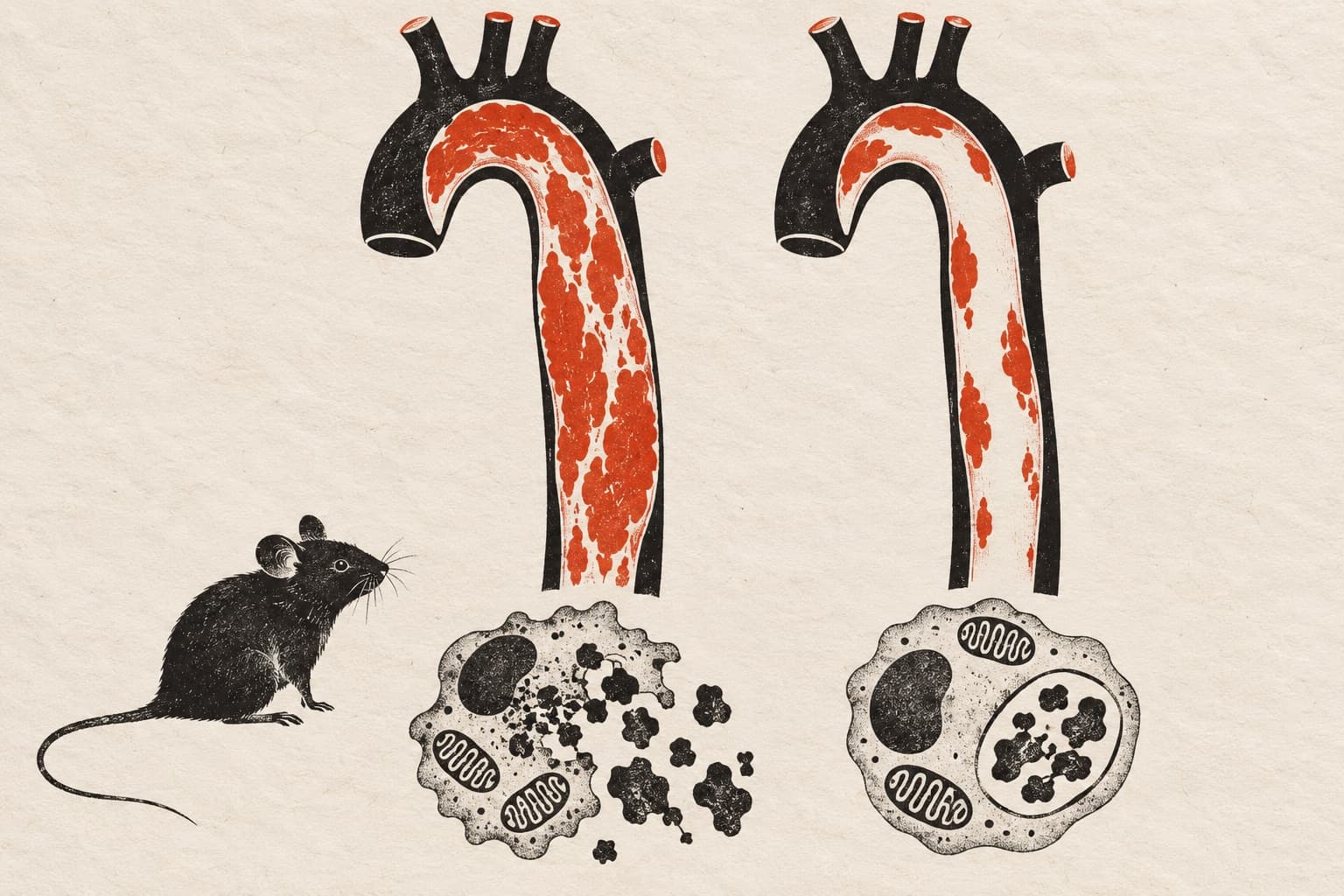
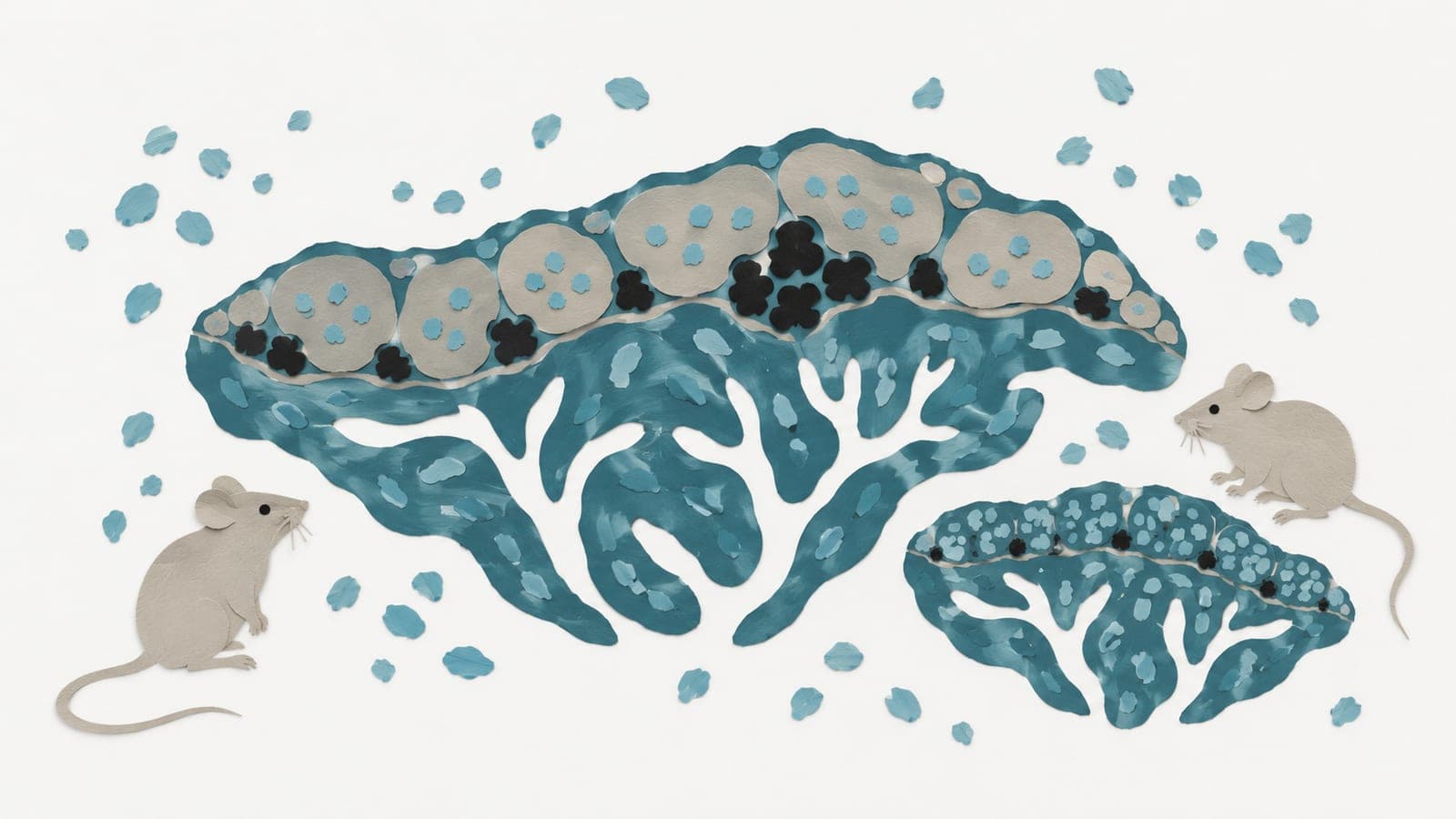
BACKGROUND AND AIMS: NAD⁺ (nicotinamide adenine dinucleotide) is a cosubstrate of the sirtuins (SIRT) that are activated upon caloric restriction. Supplementing NAD⁺ precursors such as nicotinamide riboside (NR) has been reported to extend life span and combat metabolic syndrome through pan-sirtuin activation in mice. Notably, sirtuins compete with poly (ADP-ribose) polymerase (PARP)1 and CD38 for NAD⁺. Supplementing NAD⁺ precursors did not improve cardiovascular outcome in the AIM-HIGH trial. Recently, the terminal NAD⁺ metabolite 4PY (N¹-methyl-4-pyridone-3-carboxamide) was reported to increase inflammation and to be associated with cardiovascular risk. We aimed to investigate whether NR provides atheroprotection. METHODS: 8-week-old male apolipoprotein E (Apoe) knockout mice were fed for 12 weeks a high-cholesterol diet supplemented with three NR doses: NR-, NR+, and NR++. RAW264.7 mouse macrophages and bone marrow macrophages were stimulated with oxLDL and NR. RESULTS: NR++ enhanced plaque lesions in aortic sinus sections and increased plasma levels of TNFα, IL-6, and LDL-cholesterol. Liver and plasma NAD⁺ concentrations remained unchanged, but the downstream metabolite 4PY increased. In liver lysates, SIRT1 and lipoprotein receptors were decreased and CD38 increased in NR++; cleaved PARP1 and total PARylation decreased upon NR supplementation. In oxLDL-treated macrophages, high NR levels increased CD38 and CD86 expression. CONCLUSIONS: High-dose NR supplementation in mice did not decrease but increase both aortic plaque lesions and systemic inflammation. These effects may be mediated by increased CD38 expression in macrophages, with NAD⁺ metabolism shifted from sirtuins towards CD38 and PARP1 pathways. Caution should be applied with presumed NAD⁺ boosters in patients with atherosclerosis.
The paper
University of Zurich
Atherosclerosis, 3 Apr 2025
doi.org/10.1016/j.atherosclerosis.2025.119188PubMed 40215896