Loss of age-accumulated crh-1 circRNAs ameliorate amyloid β-induced toxicity in a C. elegans model for Alzheimer's disease
Abstract
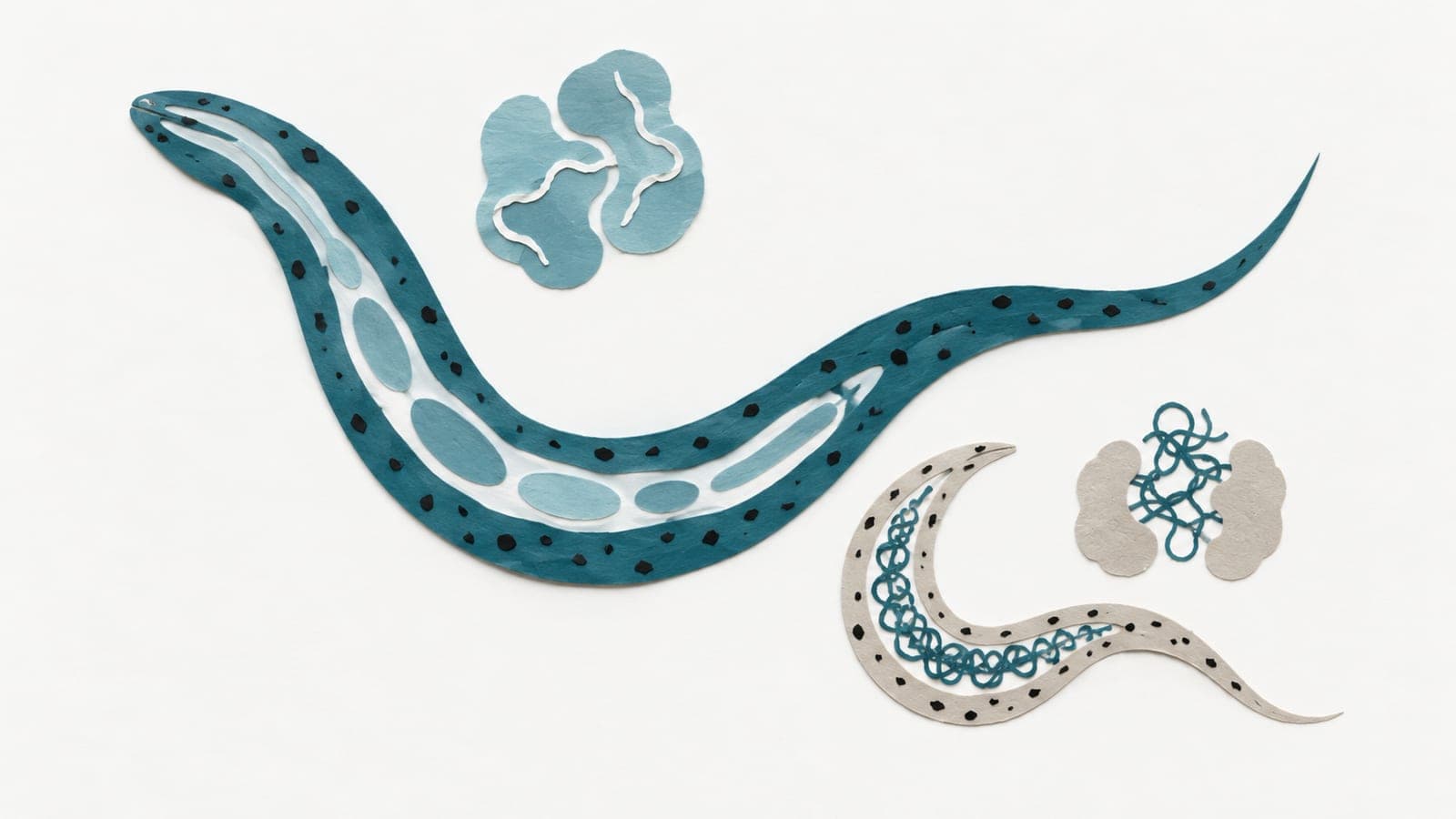
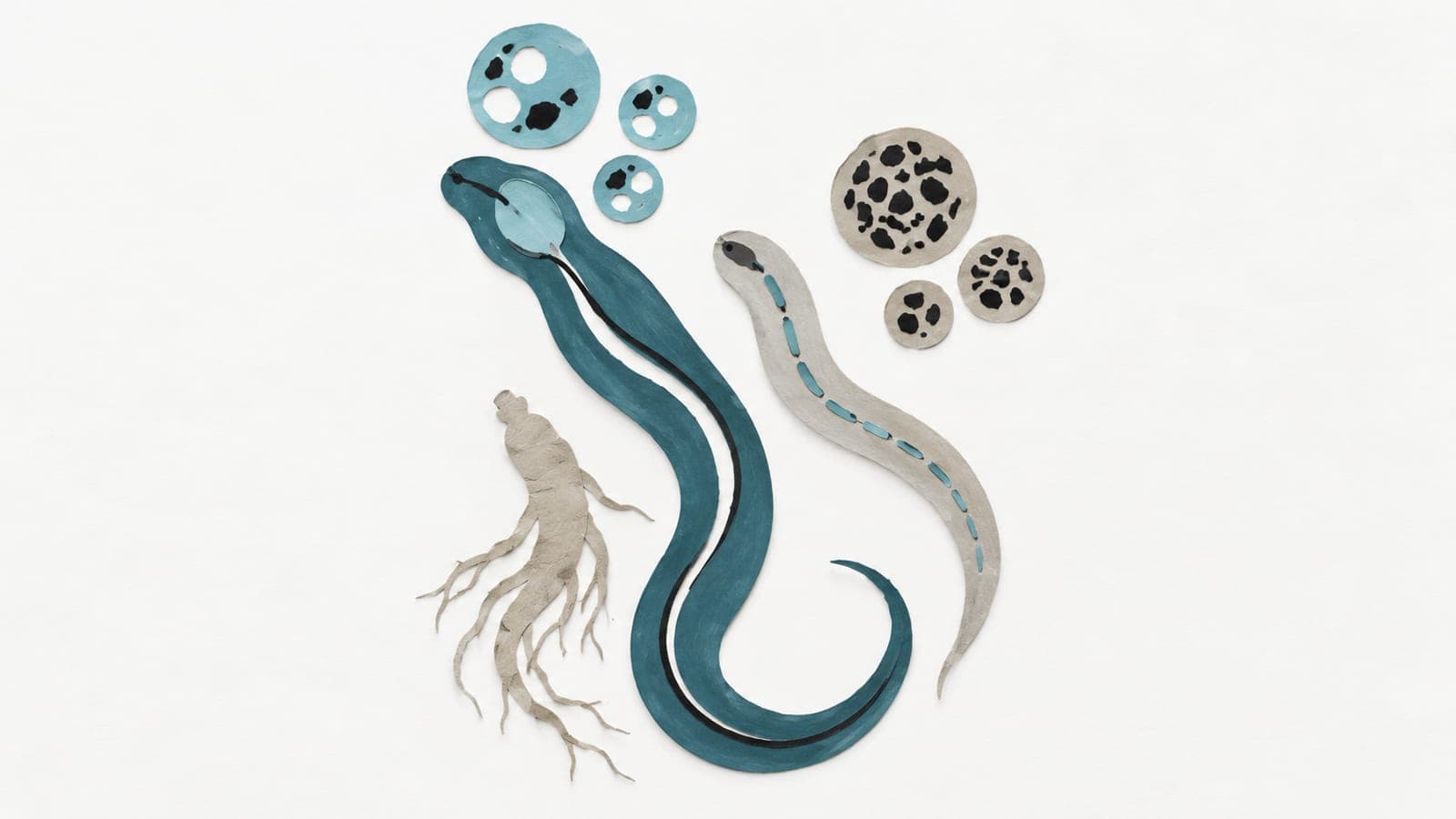
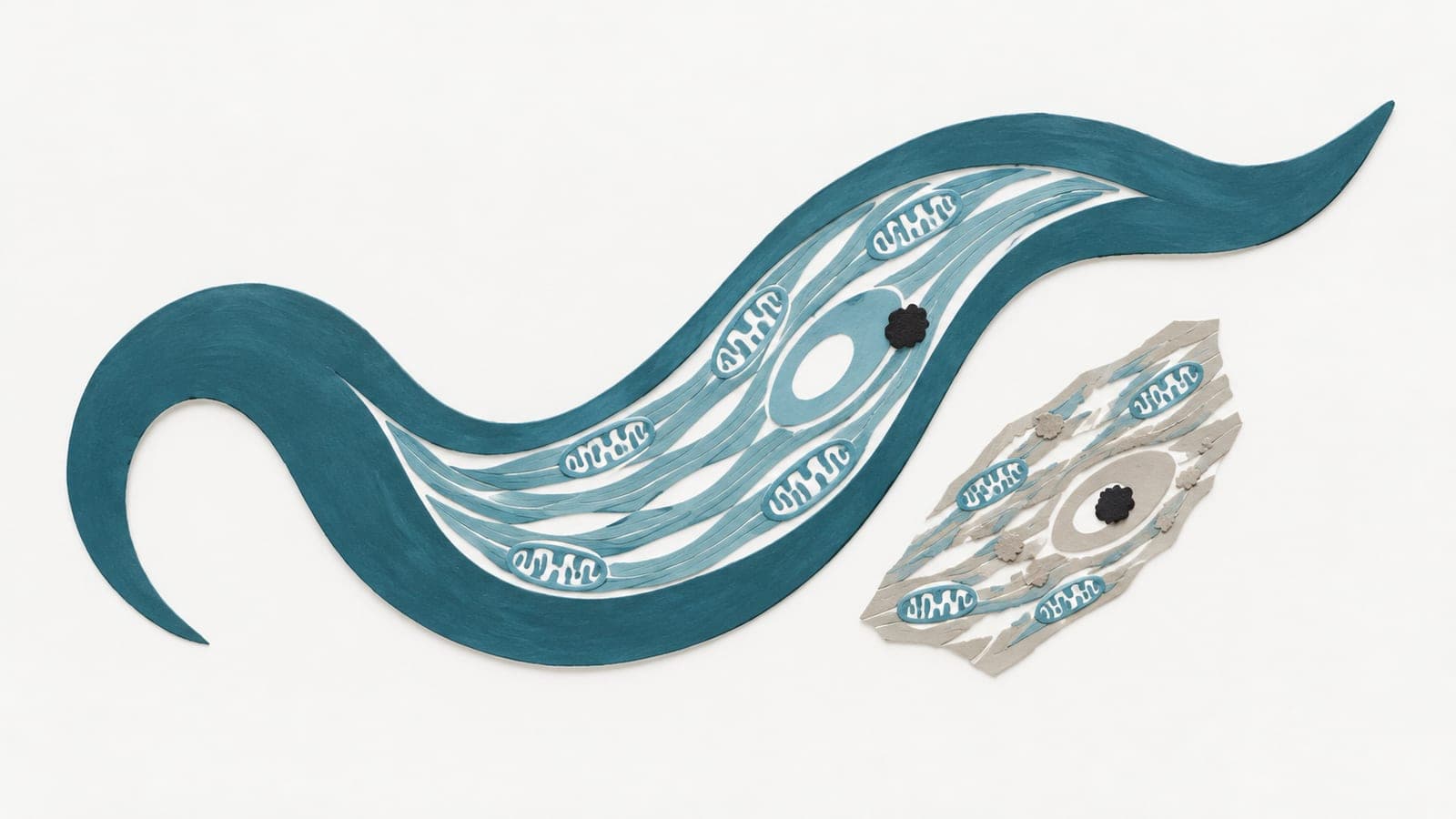
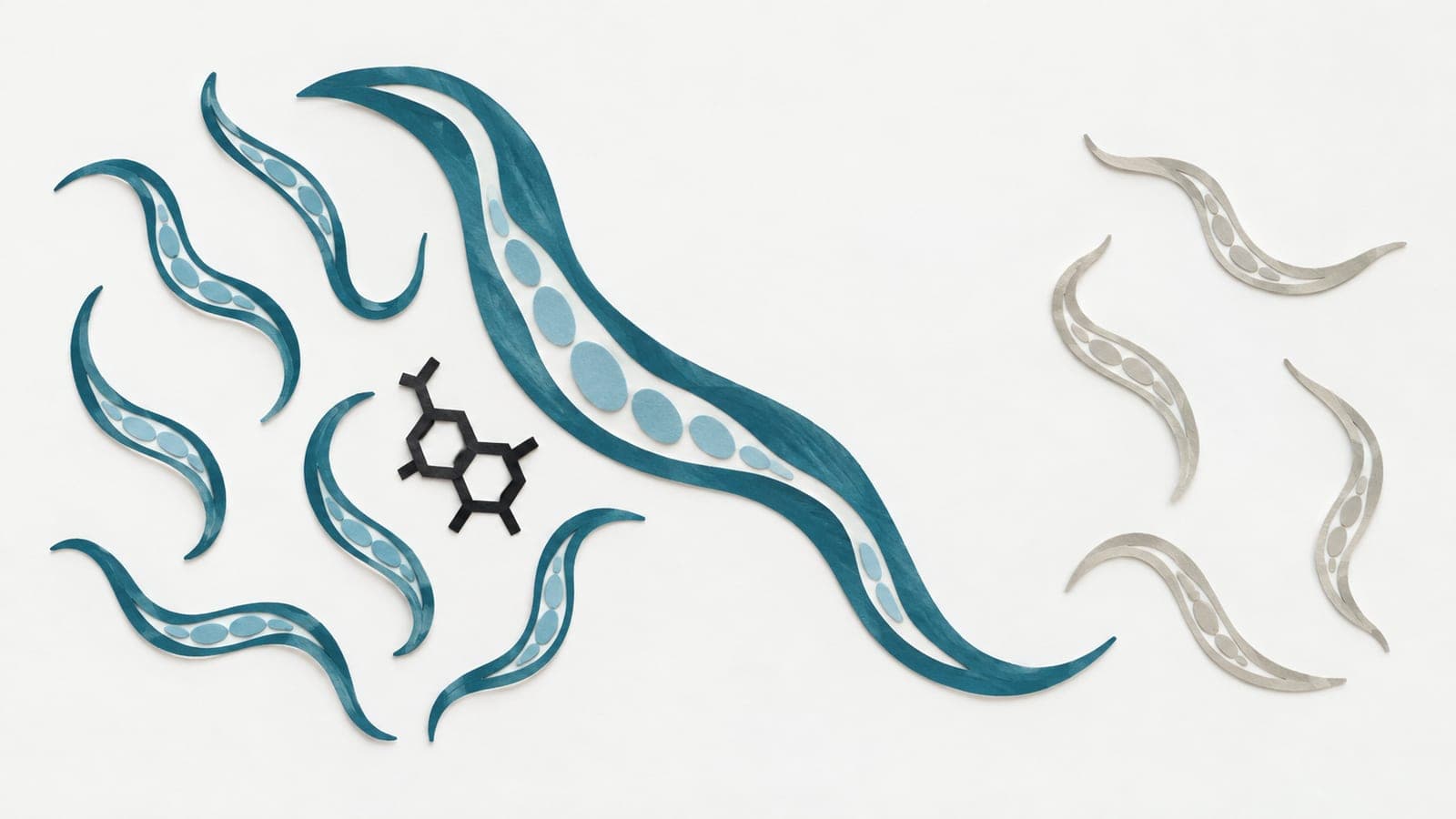
Circular RNAs (circRNAs) are non-coding RNAs mostly derived from exons of protein-coding genes via a back-splicing process. The expression of hundreds of circRNAs accumulates during healthy aging and is associated with Alzheimer's disease (AD), which is characterized by the accumulation of amyloid-beta (Aβ) proteins. In C. elegans, many circRNAs were previously found to accumulate during aging, with loss of age-accumulated circRNAs derived from the CREB gene (circ-crh-1) to increase mean lifespan. Here, we used C. elegans to study the effects of age-accumulated circRNAs on the age-related onset of Aβ-toxicity. We found that circ-crh-1 mutations delayed Aβ-induced muscle paralysis and lifespan phenotypes in a transgenic C. elegans strain expressing a full-length human Aβ-peptide (Aβ₁₋₄₂) selectively in muscle cells (GMC101). The delayed Aβ phenotypic defects were associated with the inhibition of Aβ aggregate deposition, and thus, genetic removal of circ-crh-1 alleviated Aβ-induced toxicity. Consistent with a detrimental role for age-accumulated circRNAs in AD, the expression level of circ-crh-1 expression is elevated after induction of Aβ during aging, whereas linear crh-1 mRNA expression remains unchanged. Finally, we found that the delayed onset of Aβ-induced paralysis observed in circ-crh-1 mutants is dependent on the col-49 collagen gene. Taken together, our results show that the loss of an age-accumulated circRNA exerts a protective role on Aβ-induced toxicity, demonstrating the utility of C. elegans for studying circRNAs in AD and its relationship to aging.
The paper
University of Nevada, Reno
Frontiers in Aging Neuroscience, 24 Mar 2025