The impact of a selective androgen receptor modulator (RAD140) on frailty and underlying mechanisms in older male and female C57Bl/6 mice
Abstract
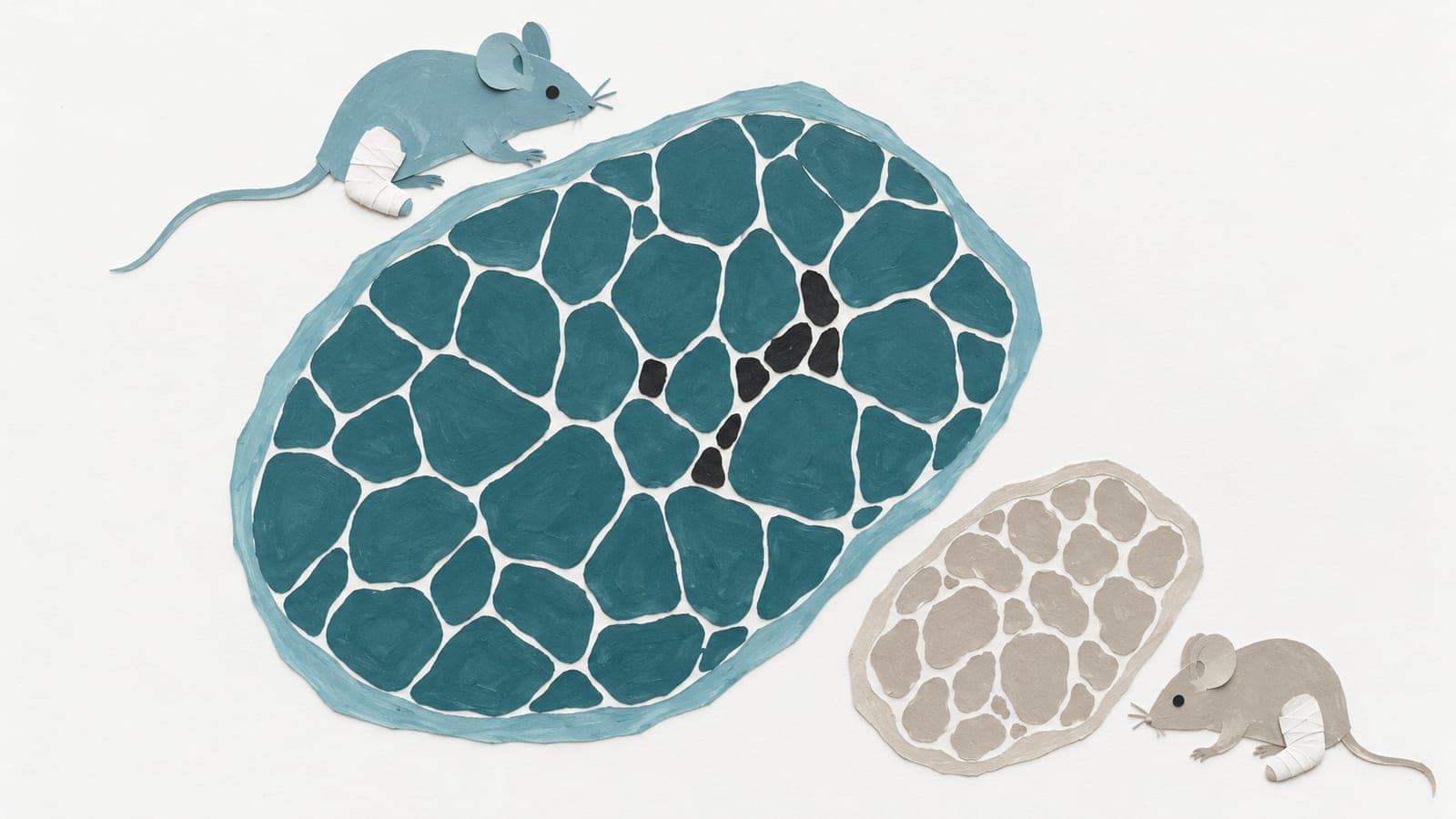
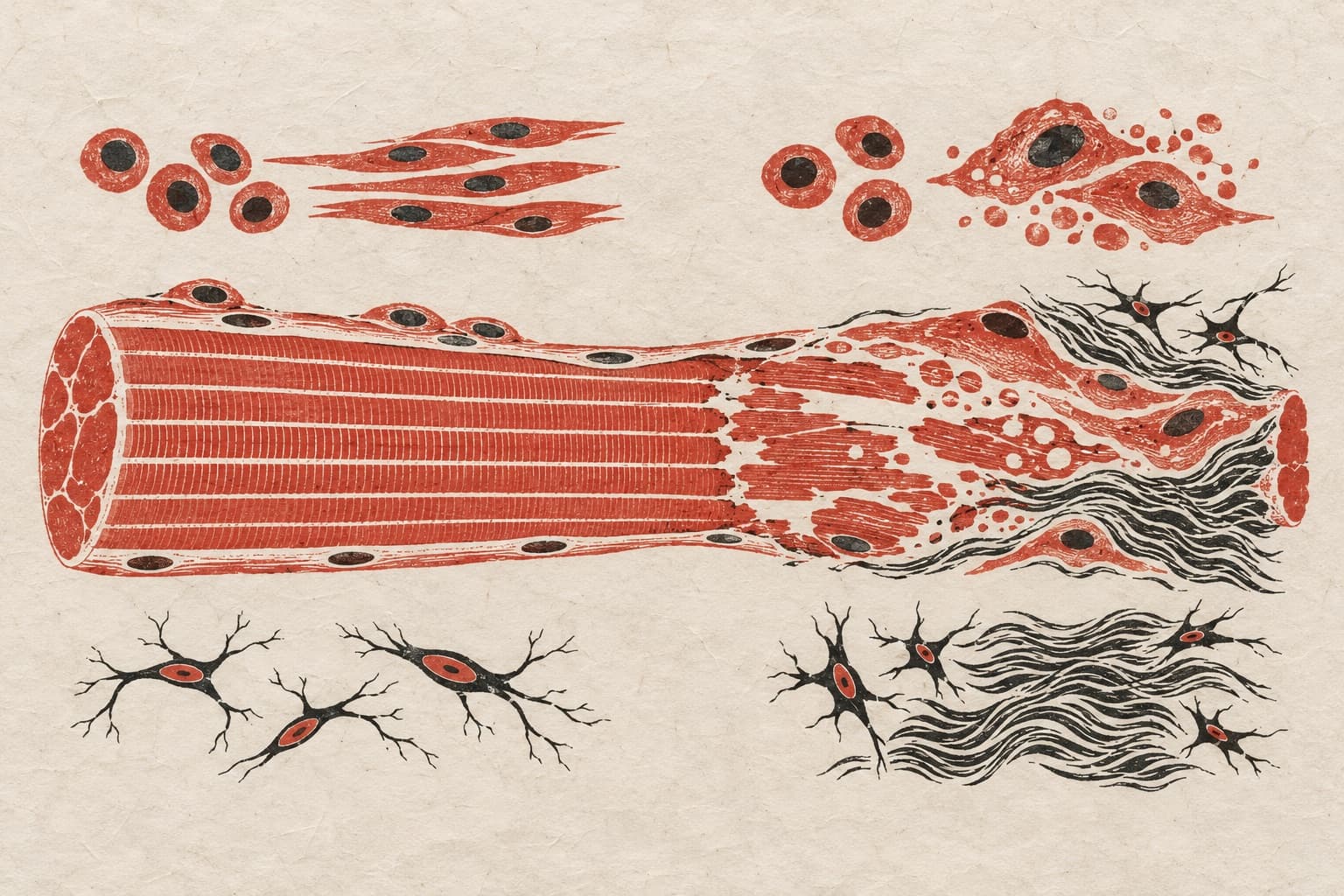
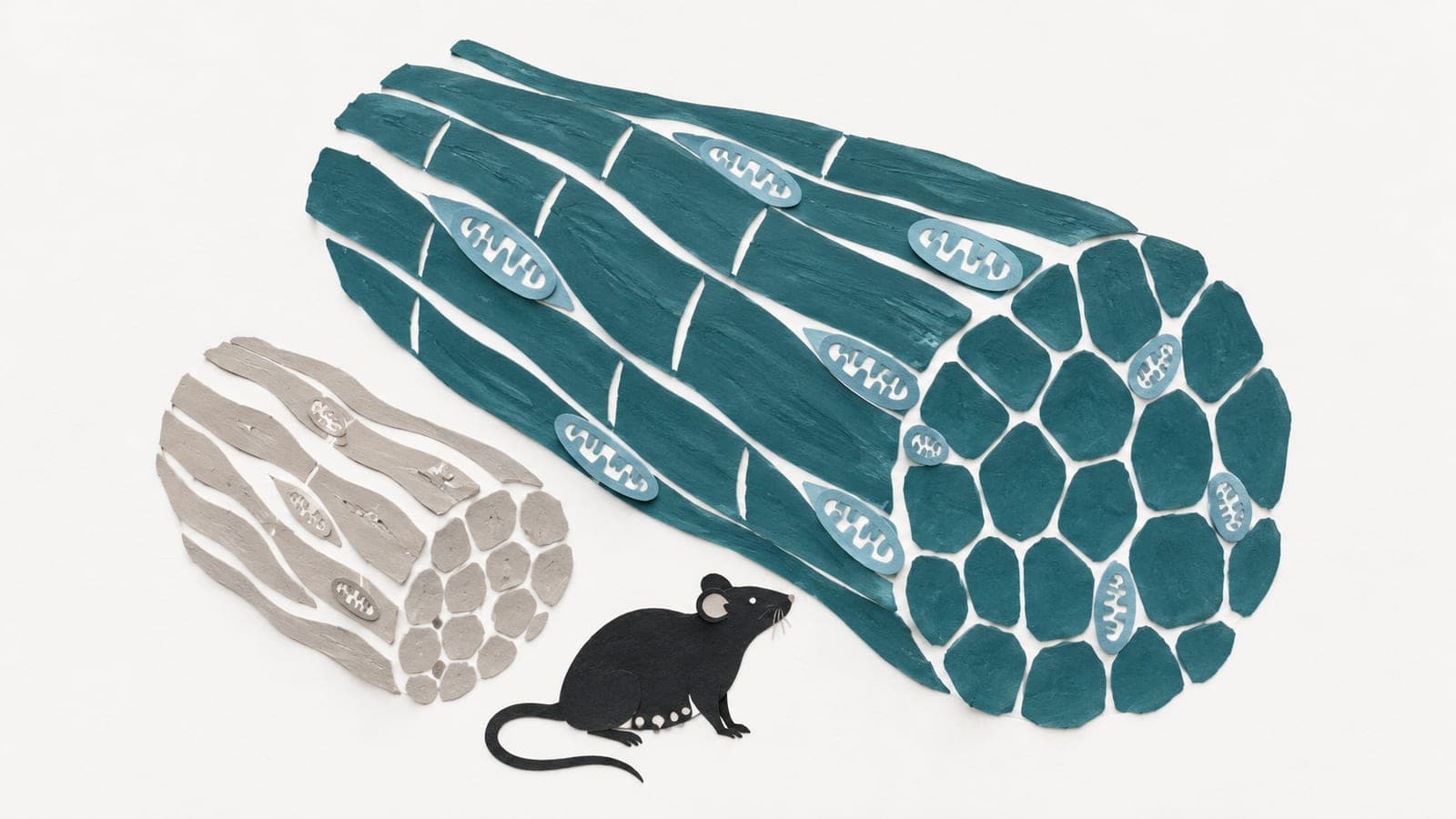
BACKGROUND: Androgen receptors (AR) are promising therapeutic targets for mechanisms of aging, including chronic inflammation, lean mass loss, and worsening bone health. We investigated the impact of RAD140, a selective AR modulator that activates ARs, on frailty and underlying mechanisms in older C57BL/6 mice. METHODS: Mice (23.7-25.5 months; N = 21 males; 15 females) received RAD140 (5 mg/kg/day) or placebo (DMSO) daily for 6-weeks. Frailty (clinical and lab-based), body composition, circulating inflammatory markers, grip strength, and genes relating to function/hypertrophy in quadriceps femoris muscles were assessed. RESULTS: Despite no differences in frailty between treatment and control, there were positive effects in male, but not female mice. RAD140 treated male mice had preserved lean mass (p = 0.024) and bone mineral density (p = 0.004) and lower serum interleukin-6 (p = 0.043) versus controls. In contrast, benefits to body composition and inflammatory markers were not seen in females. In either sex, grip strength, fat mass, and skeletal muscle genes were unaffected. CONCLUSION: Six-weeks of RAD140 treatment did not affect frailty in older male or female mice. The beneficial effects in lean mass, bone mineral density, and systemic inflammation warrant longer treatments to explore any positive impact on frailty in males. RAD140 may not be ideal for achieving these in females.
The paper
Dalhousie University
Mechanisms of Ageing and Development, 28 Mar 2025