Bone Marrow Mesenchymal Stem Cell Senescence in the Development of Osteoporosis: Mechanisms, Interventions, and Future Directions
Abstract
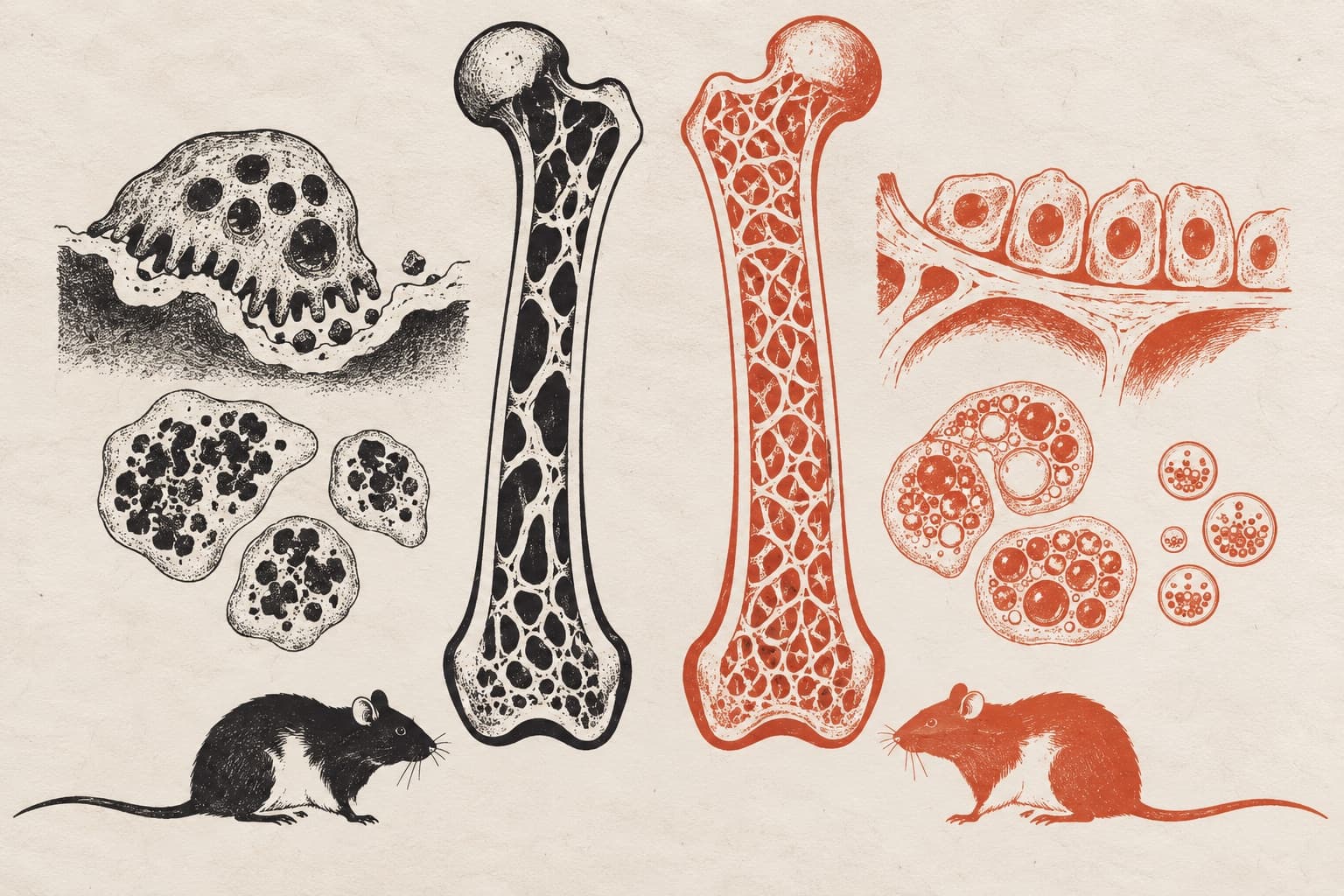
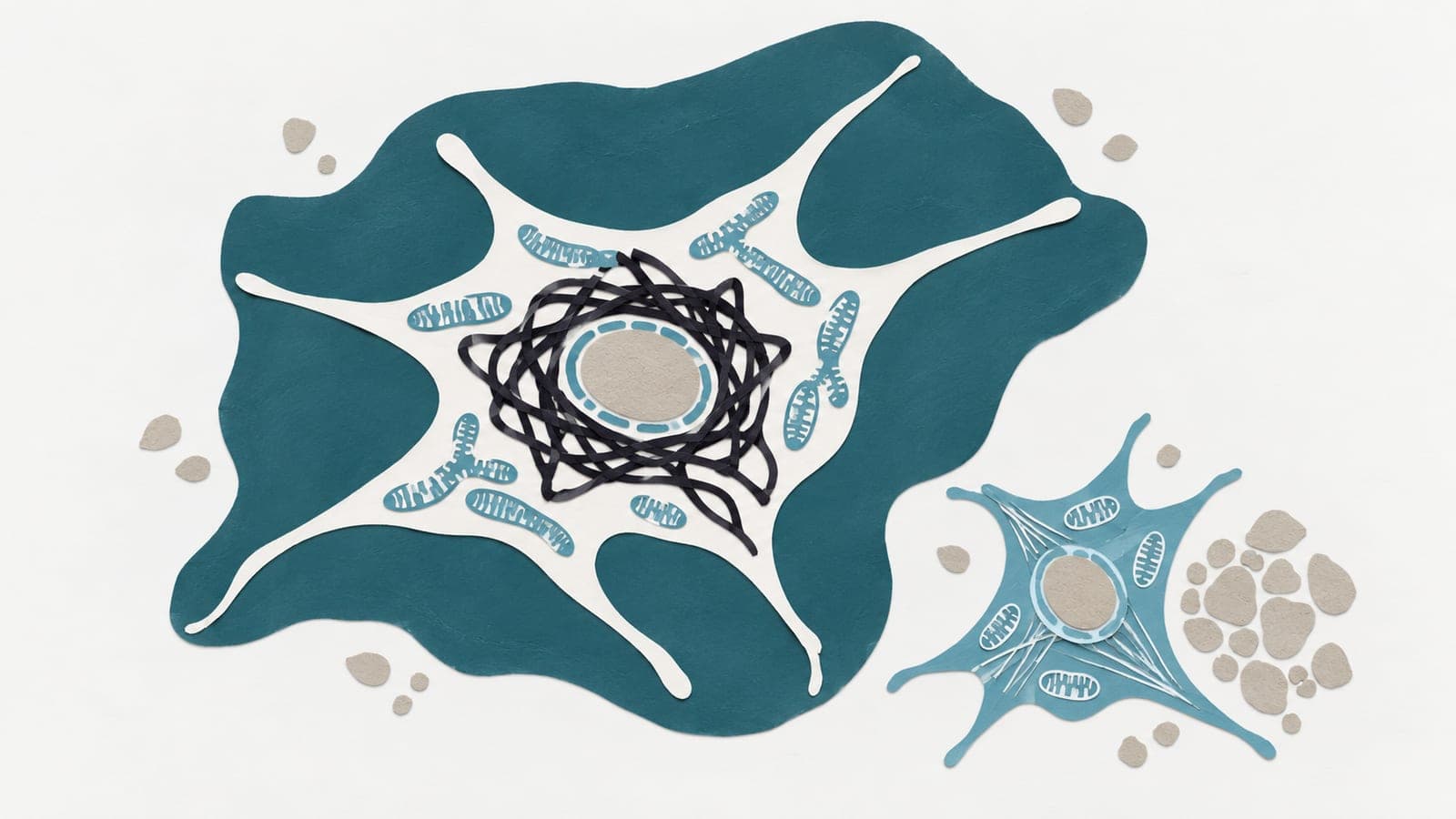
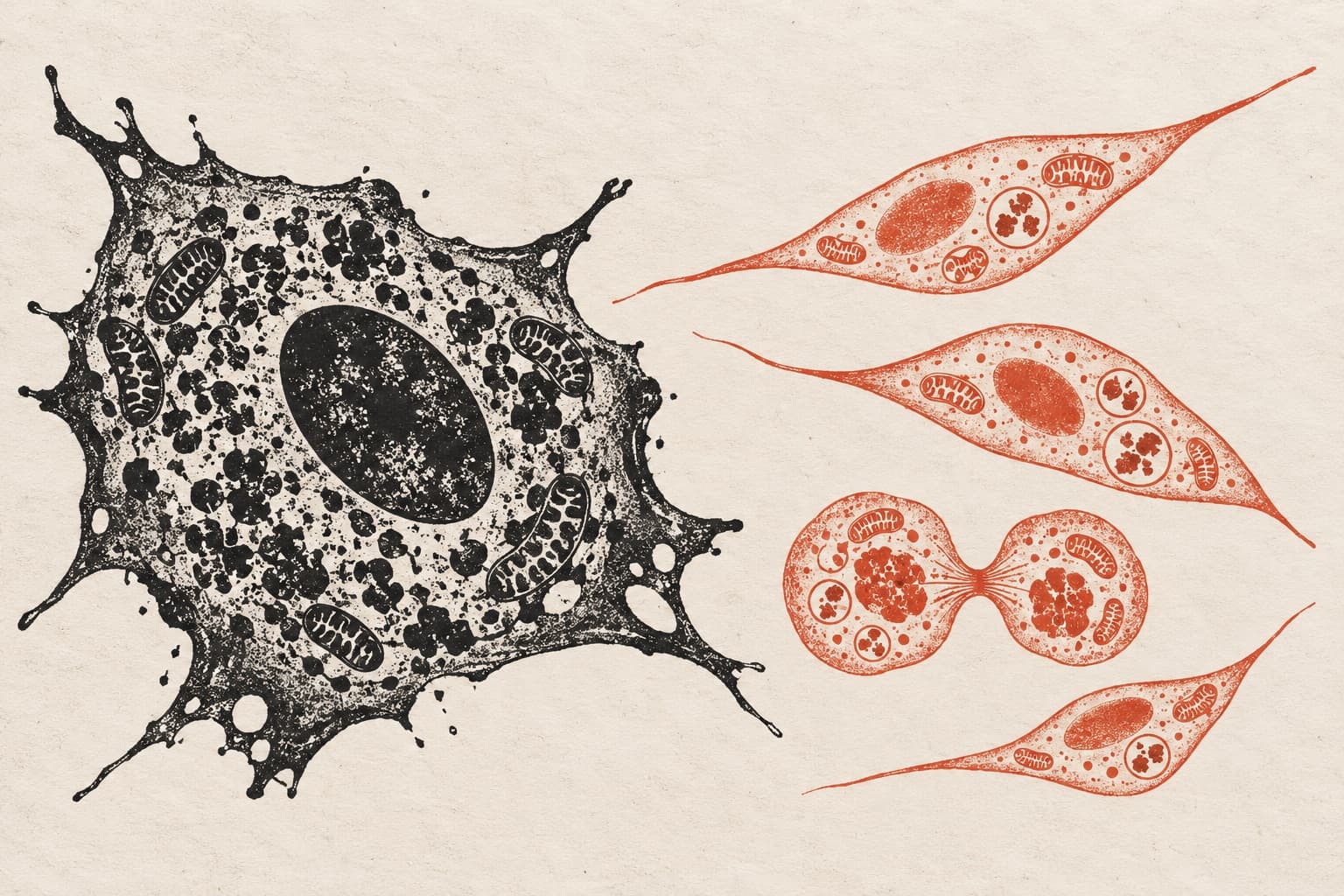
Osteoporosis, a significant age-related disease, is marked by diminished bone density and an elevated risk of fractures, representing a considerable global health challenge. Bone marrow mesenchymal stem cells (BMSCs) are essential in maintaining bone integrity through their differentiation into osteoblasts, which are crucial for bone formation. Nevertheless, the aging of BMSCs diminishes their regenerative abilities and intensifies inflammation, thereby playing a critical role in osteoporosis pathogenesis. This review explores the intricate mechanisms of BMSC senescence and its influence on osteoporosis, detailing cellular and molecular markers, such as oxidative stress, the senescence-associated secretory phenotype (SASP), and pivotal signaling pathways, including P53, PI3K/mTOR, and autophagy. We assess current interventions aimed at reducing BMSC senescence, with an emphasis on pharmacological methods like melatonin and antioxidants, alongside nonpharmacological strategies, such as exercise and dietary supplementation with omega-3 fatty acids. Furthermore, the challenges and limitations of translating these strategies into clinical applications are addressed, highlighting the necessity for personalized medicine to accommodate treatment outcome variability. Future research directions should focus on emerging therapeutic targets and novel interventions, such as gene editing technologies and advanced tissue engineering techniques. By integrating these strategies, this review endeavors to enhance the understanding and treatment of osteoporosis, emphasizing the critical need to target BMSC senescence to develop effective therapies.
The paper
Shandong University of Traditional Chinese Medicine
Current Molecular Medicine, 28 Mar 2025