High-content screening identifies ganoderic acid A as a senotherapeutic to prevent cellular senescence and extend healthspan in preclinical models
Abstract
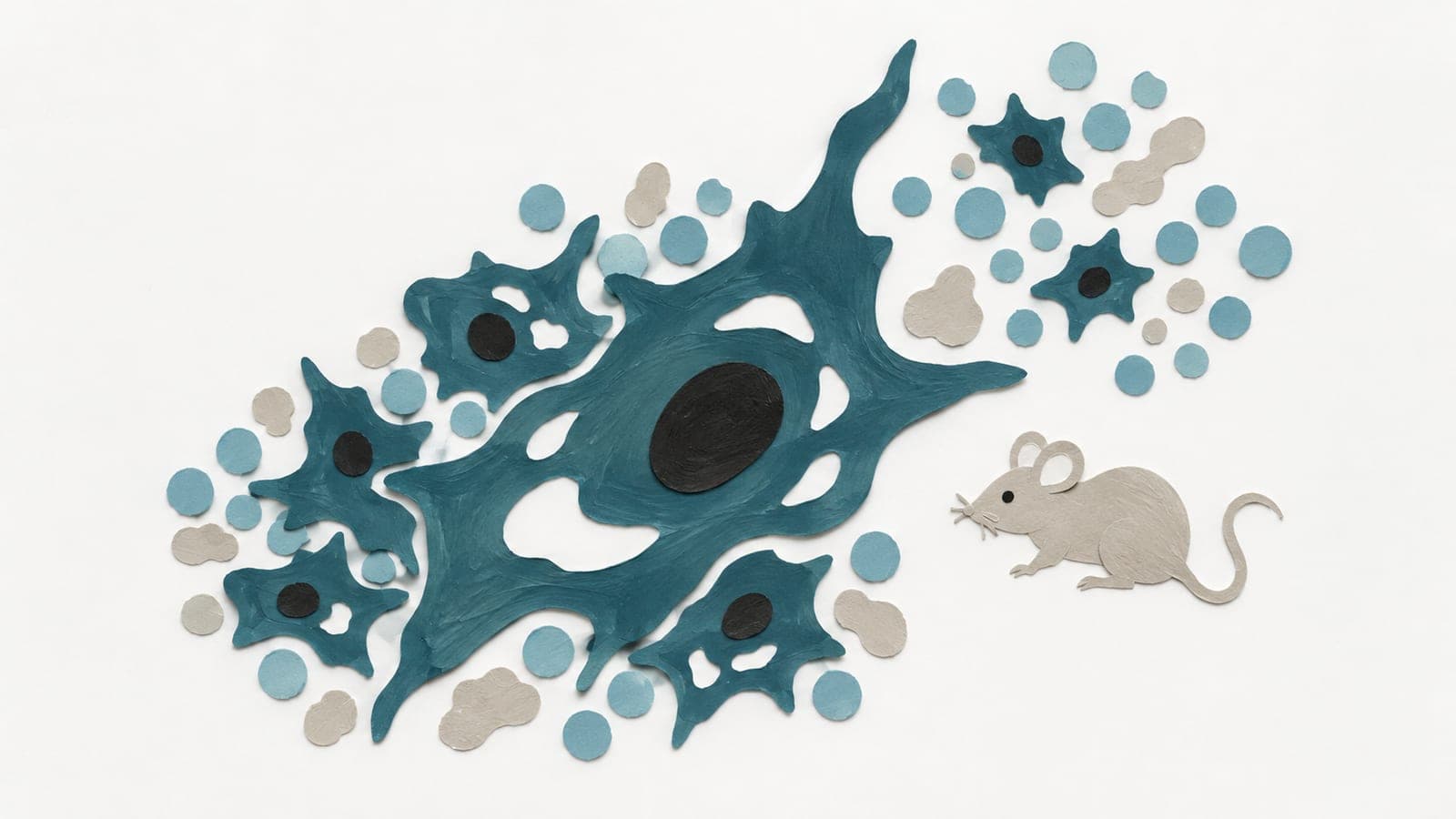
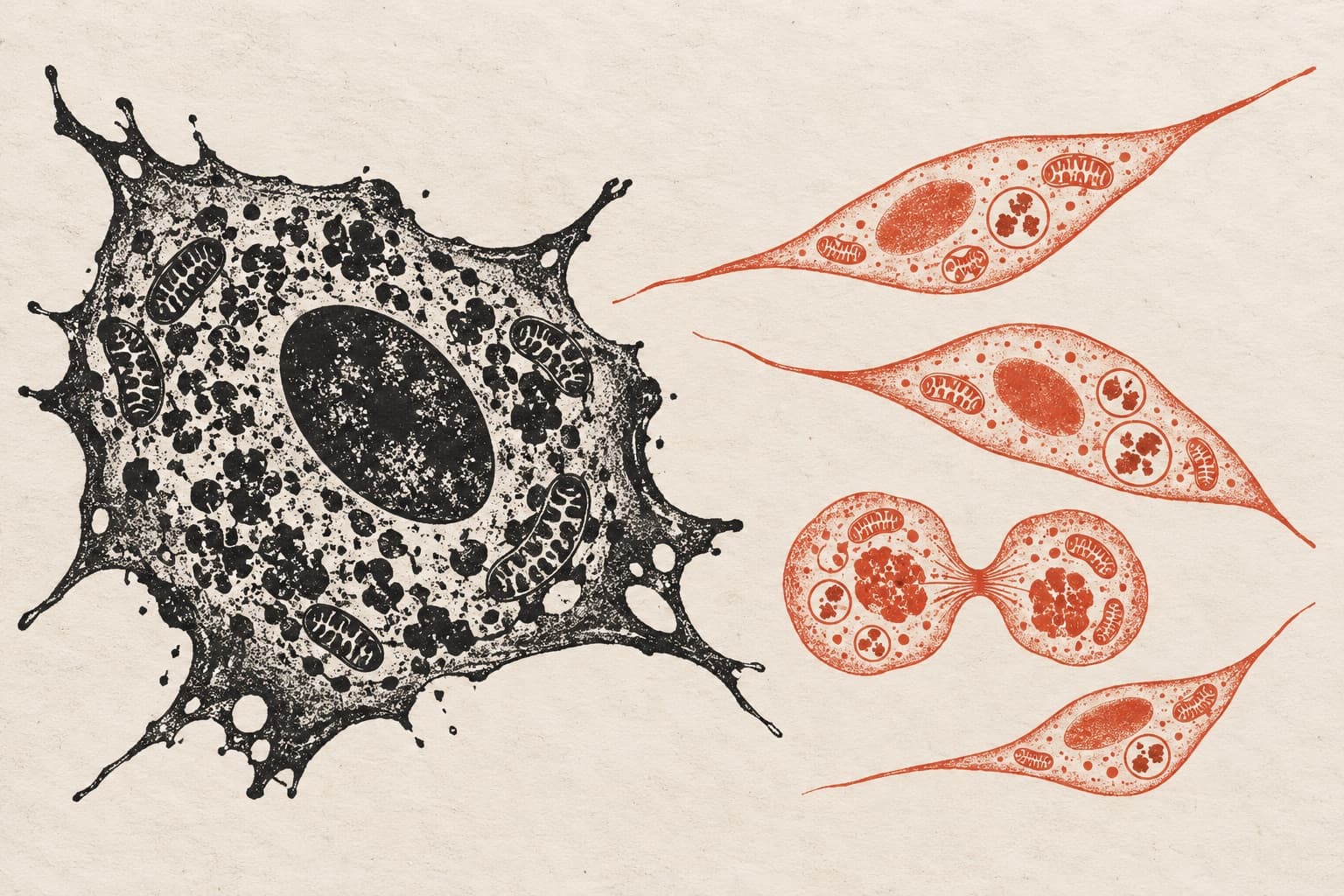
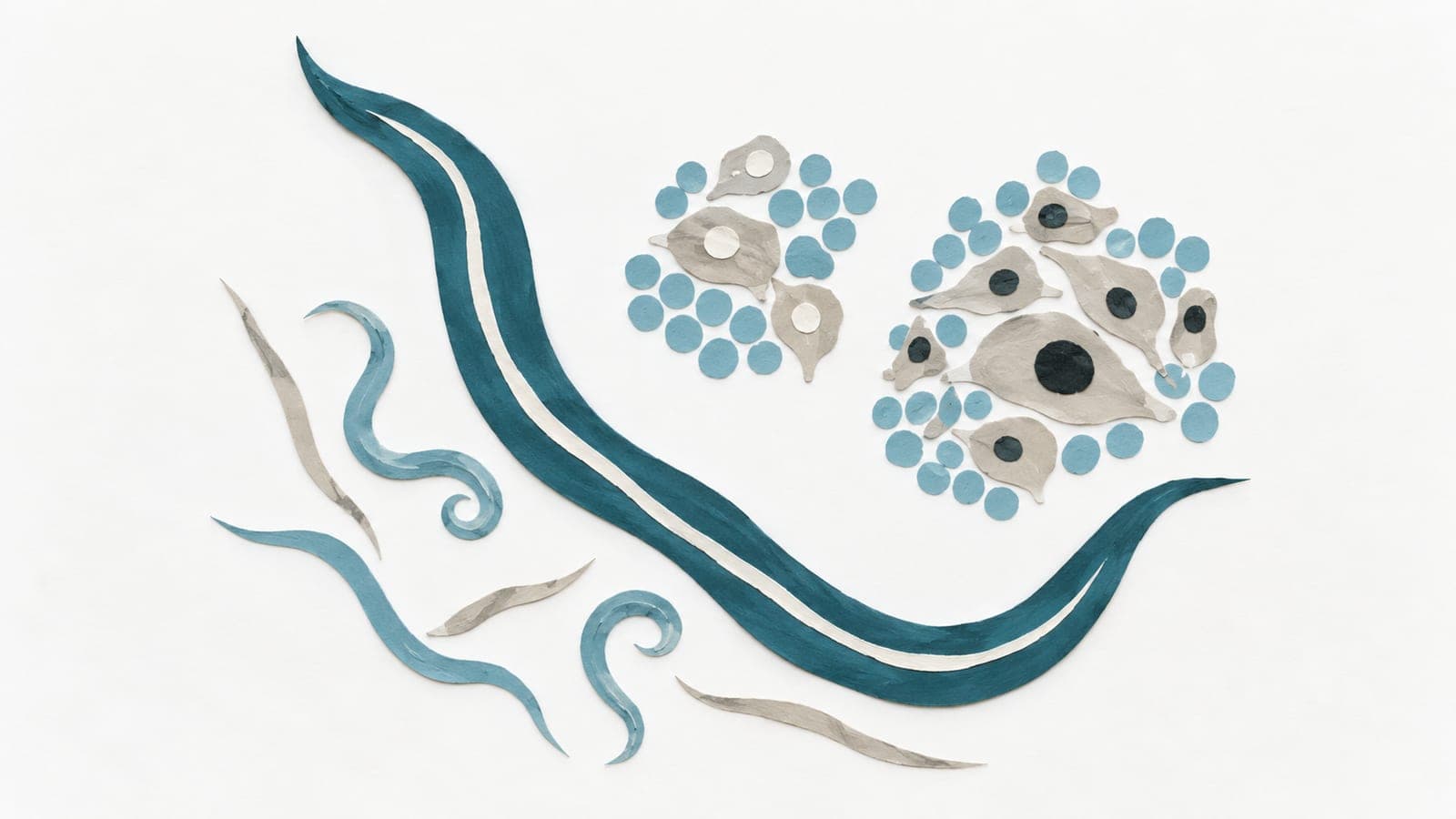
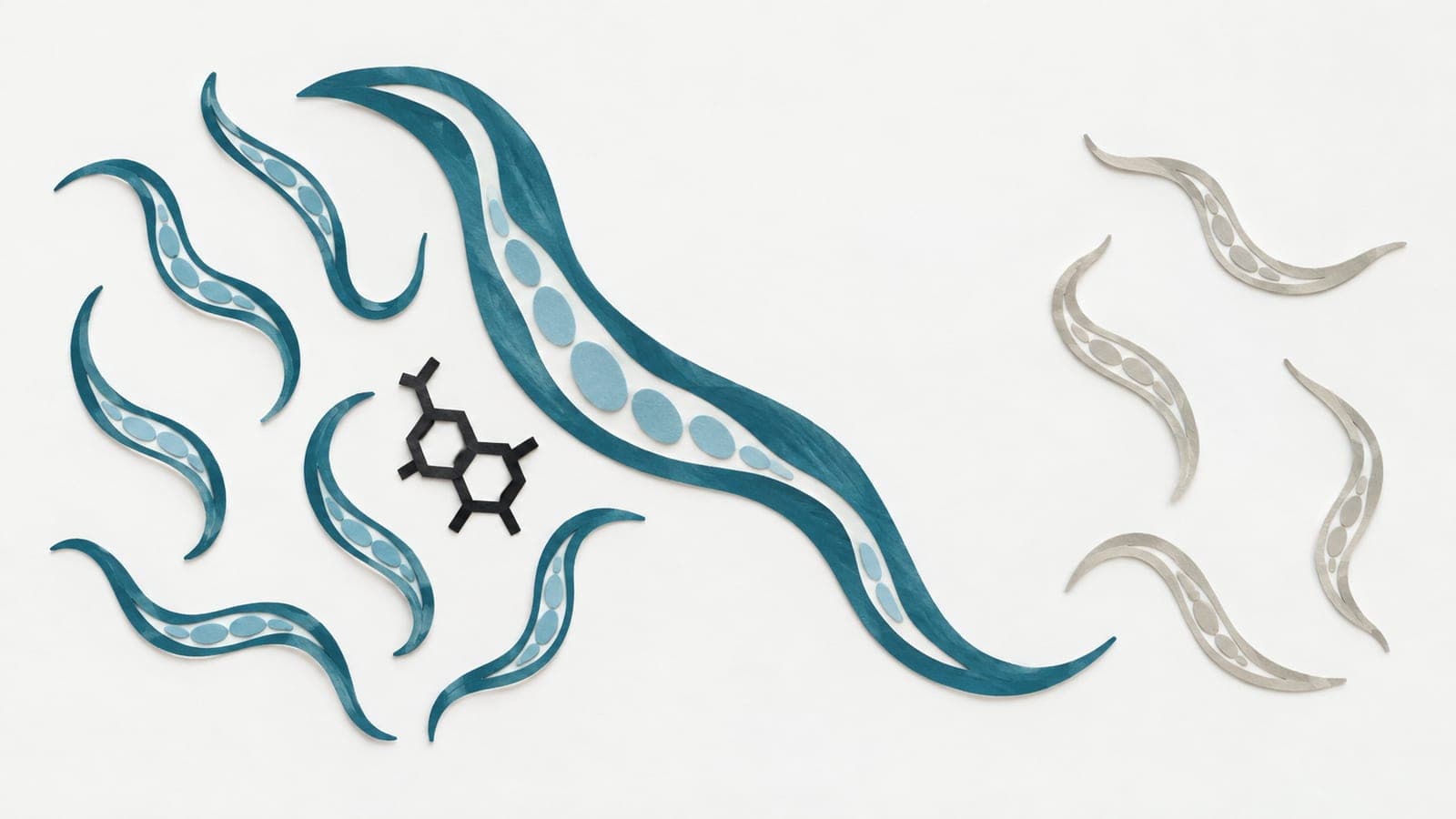
Accumulated senescent cells during the aging process are a key driver of functional decline and age-related disorders. Here, we identify ganoderic acid A (GAA) as a potent anti-senescent compound with low toxicity and favorable drug properties through high-content screening. GAA, a major natural component of Ganoderma lucidum, possesses broad-spectrum geroprotective activity across various species. In C. elegans, GAA treatment extends lifespan and healthspan as effectively as rapamycin. Administration of GAA also mitigates the accumulation of senescent cells and physiological decline in multiple organs of irradiation-stimulated premature aging mice, natural aged mice, and western diet-induced obese mice. Notably, GAA displays a capability to enhance physical function and adapts to conditional changes in metabolic demand as mice aged. Mechanistically, GAA directly binds to TCOF1 to maintain ribosome homeostasis and thereby alleviate cellular senescence. These findings suggest a feasible senotherapeutic strategy for protecting against cellular senescence and age-related pathologies.
The paper
Chinese Academy of Agricultural Sciences; Ministry of Ecology and Environment
Nature Communications, 24 Mar 2025