FP receptor inhibits autophagy to aggravate aging-related cardiac fibrosis through PI3K/AKT/mTOR signaling pathway
Abstract
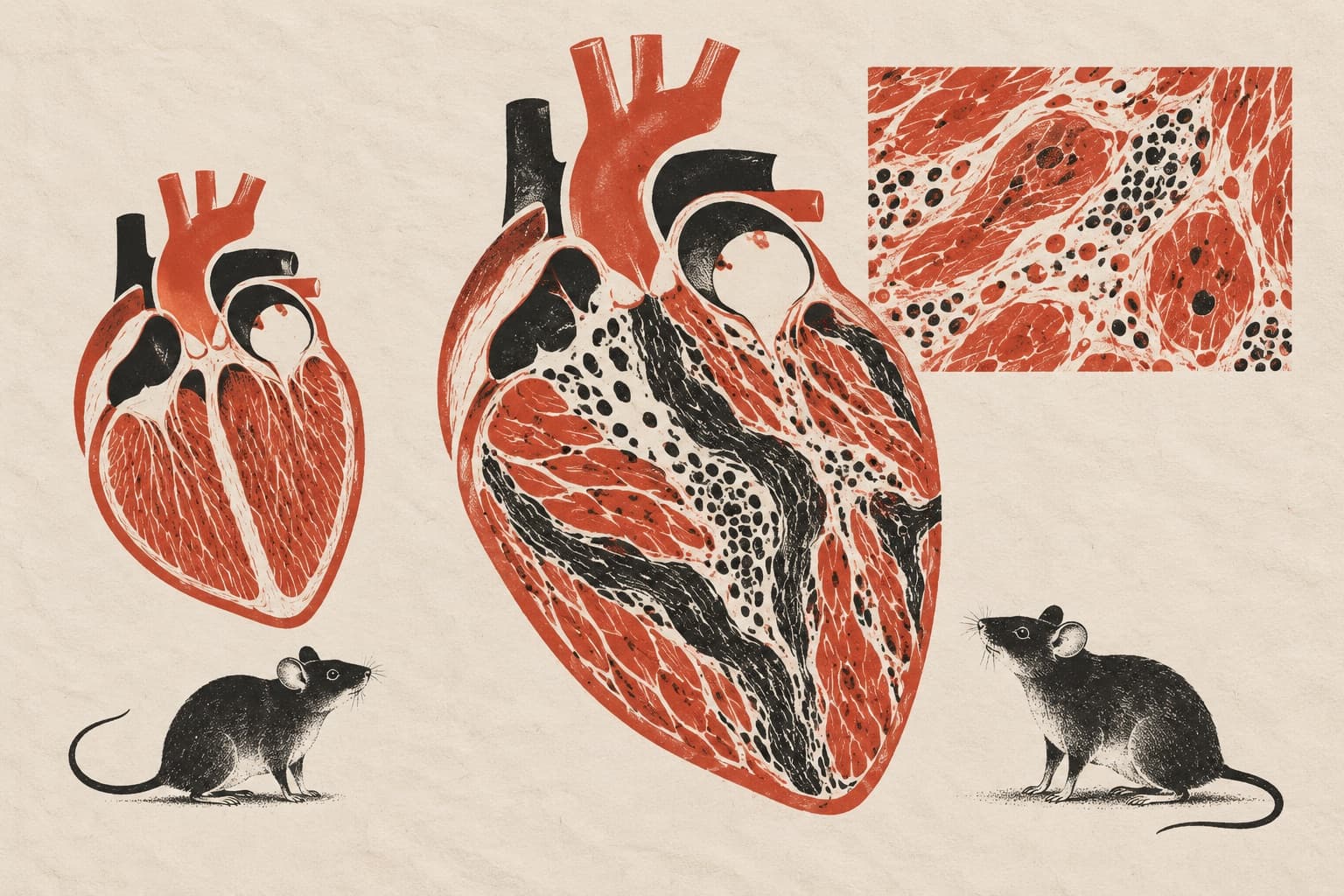
BACKGROUND: F-prostanoid receptor (FP receptor), a receptor for Prostaglandin F2α(PGF2α), is involved in the process of tissue fibrosis, but its exact role in the aging heart remains unclear. METHODS: We investigated cardiac function, myocardial fibrosis levels, autophagy levels and related mechanistic pathways in different groups of mice using gene silencing. At the cellular level, we simulated the senescence process of cardiac fibroblasts and investigated the related mechanisms using relevant inhibitors. RESULTS: In aging mice, FP receptor and PI3K/AKT/mTOR pathways are increased and autophagy levels are decreased, ultimately leading to cardiac fibrosis. FP receptor gene silencing slows down the above process. We found similar changes at the cellular level. CONCLUSION: FP receptor could activate PI3K/AKT/mTOR pathway and inhibit cardiac autophagy, which resulted in aging-related cardiac fibrosis. Thus, the inhibition of FP receptor could improve aging-related cardiac remodeling, implicating its potential therapeutic application to treat cardiovascular diseases associated with aging.
The paper
Shandong University
Archives of Gerontology and Geriatrics, 8 Mar 2025