Heat treatment activates futile calcium cycling in brown adipose tissue to modulate energy metabolism and alters gut microbiota in C57BL/6 mice
Abstract
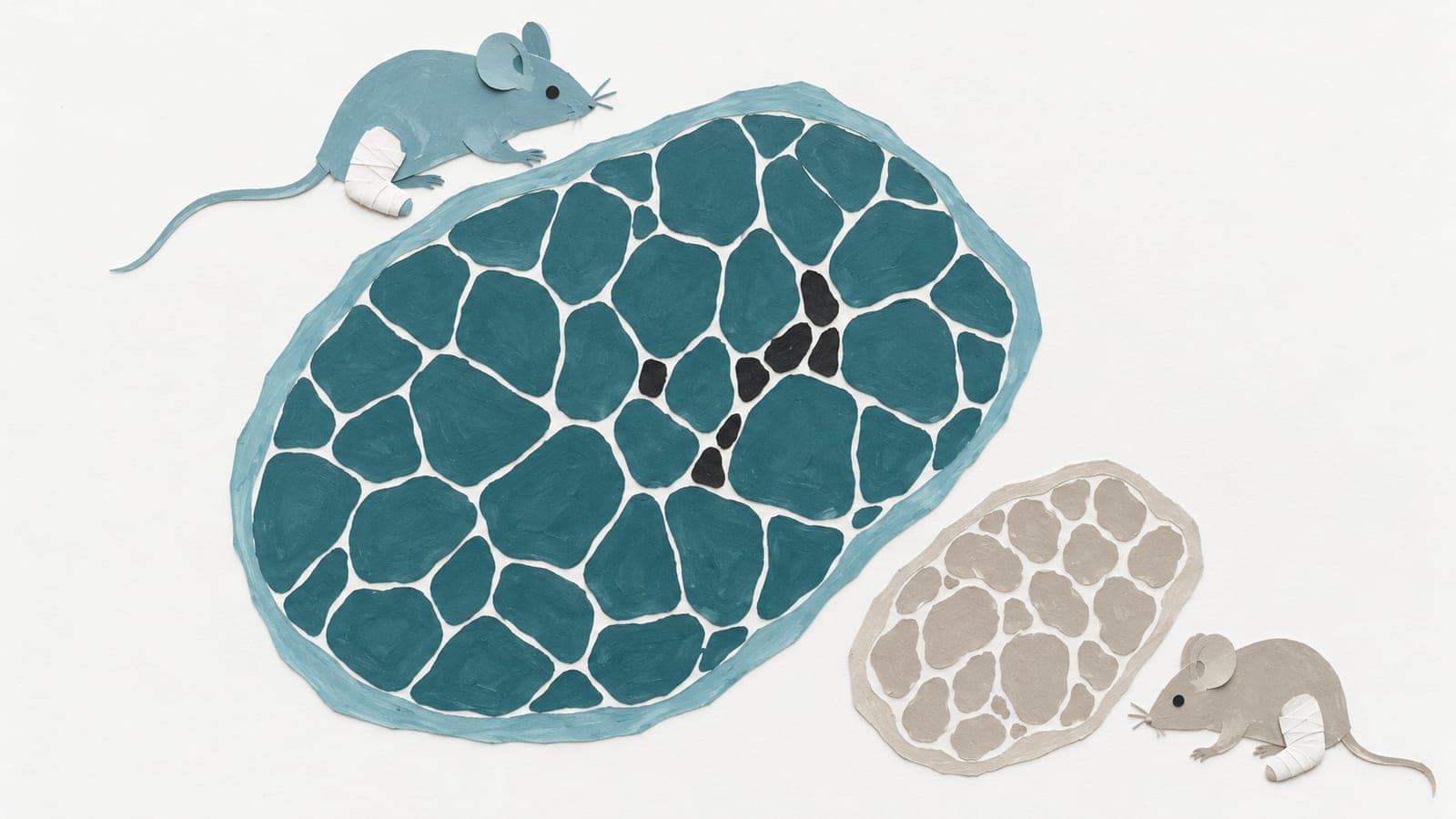
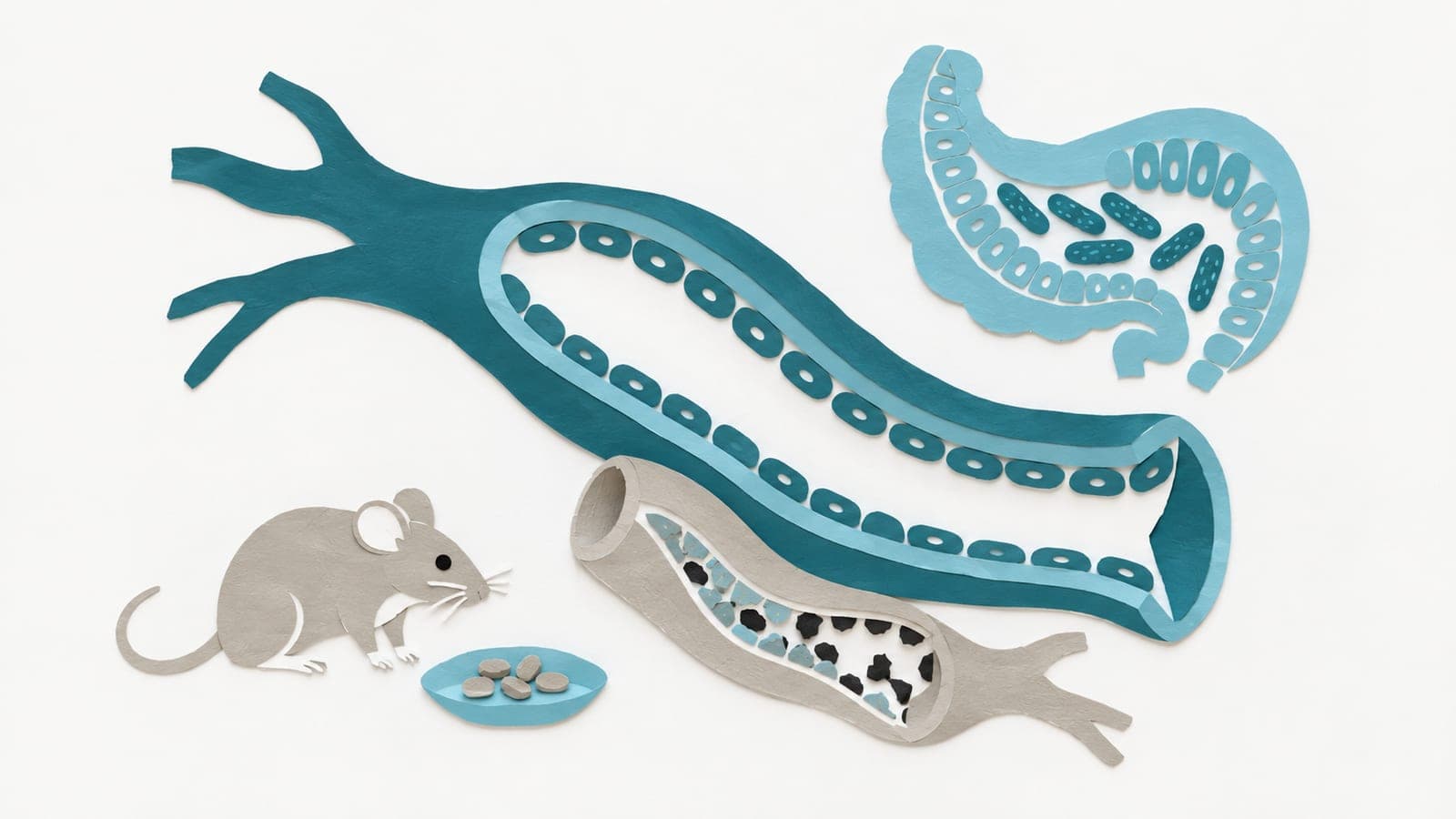
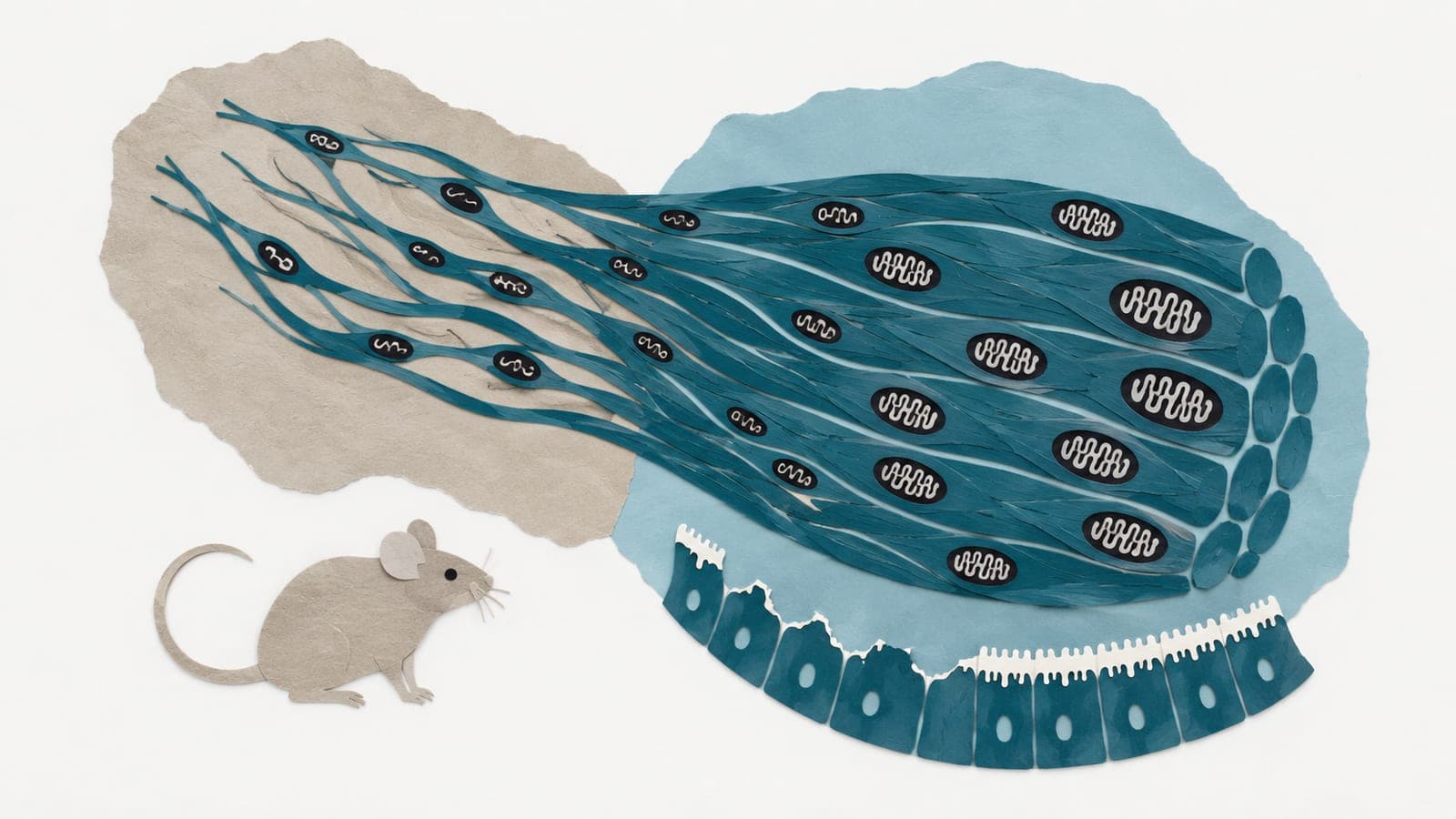
AIM: Aging decreases the metabolic rate and increases the risk of metabolic diseases, highlighting the need for alternative strategies to improve metabolic health. Heat treatment (HT) has shown various metabolic benefits, but its ability to counteract aging-associated metabolic slowdown remains unclear. This study aimed to investigate the impact of whole-body HT on energy metabolism, explore the potential mechanism involving the heat sensor TRPV1, and examine the modulation of gut microbiota. METHODS: Ten-month-old female C57BL/6 mice on a high-fat (HF) diet (45% calories from fat) were exposed to daily HT in a 40-41°C heat chamber for 30 min, 5 days a week for 6 weeks. Metabolic changes, including core body temperature and lipid metabolism transcription in adipose tissue and liver, were assessed. Human brown adipocytes were used to confirm metabolic effects in vitro. RESULTS: HT significantly reduced serum lactate dehydrogenase levels, indicating mitigation of tissue damage. HT attenuated weight gain, improved insulin sensitivity, and increased beta-oxidation in the liver and brown fat. In thermogenic adipose tissue, HT enhanced TRPV1 and Ca²⁺/ATPase pump expression, suggesting ATP-dependent calcium cycling, which was confirmed in human brown adipocytes. Interestingly, HT also reduced the firmicutes/bacteroides ratio and altered gut microbiota, suppressing HF diet-enriched microbial genera such as Tuzzerella, Defluviitaleaceae_UCG-011, Alistipes, and Enterorhabdus. CONCLUSION: HT attenuates aging- and diet-associated metabolic slowdown by increasing futile calcium cycling, enhancing energy expenditure, and altering gut microbiota in middle-aged female C57BL/6 mice. HT may offer a promising strategy to improve metabolic health, especially in aging populations.
The paper
University of Massachusetts Amherst
Acta Physiologica, 12 Mar 2025