Senescent macrophages trigger a pro-inflammatory program and promote the progression of rheumatoid arthritis
Abstract
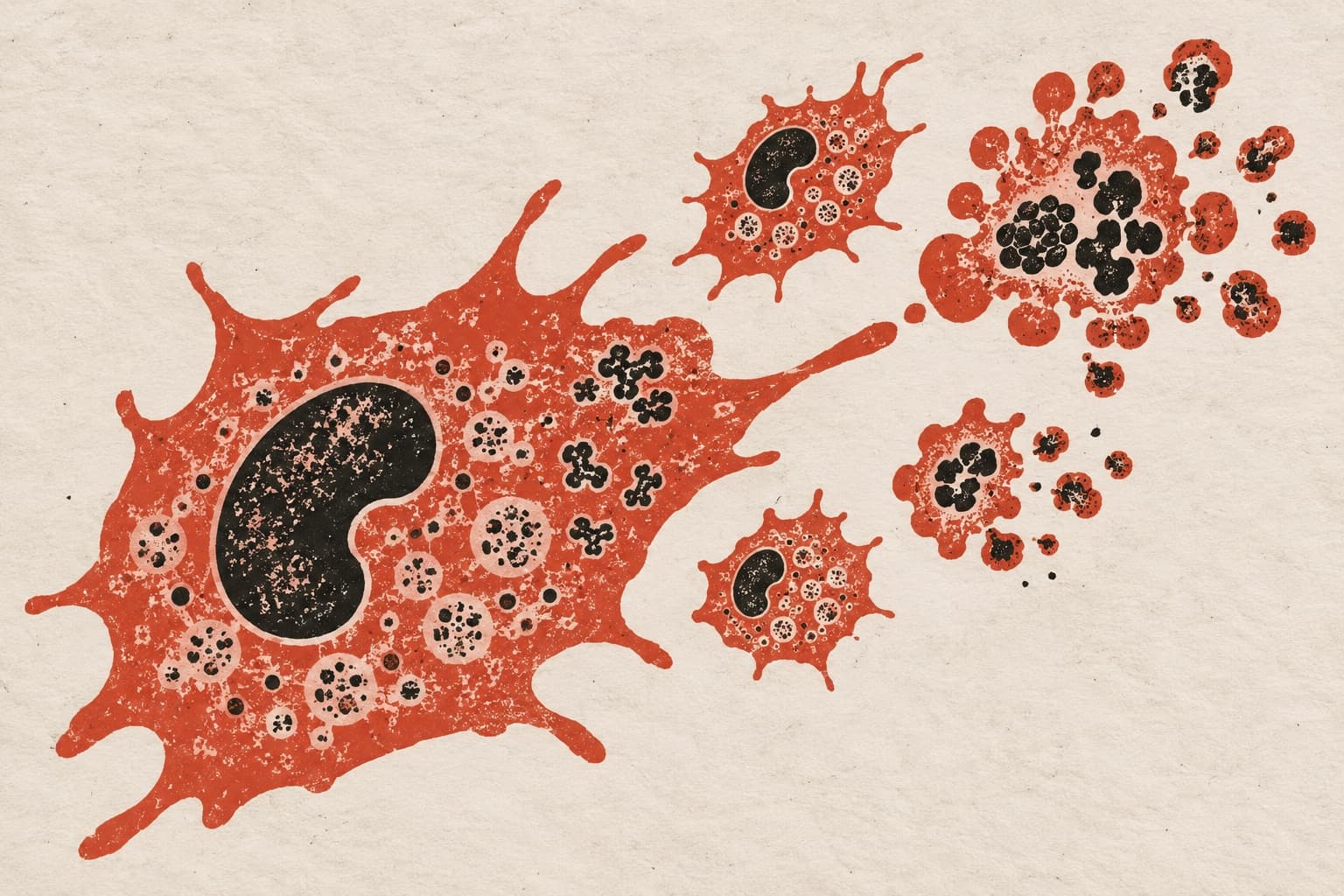
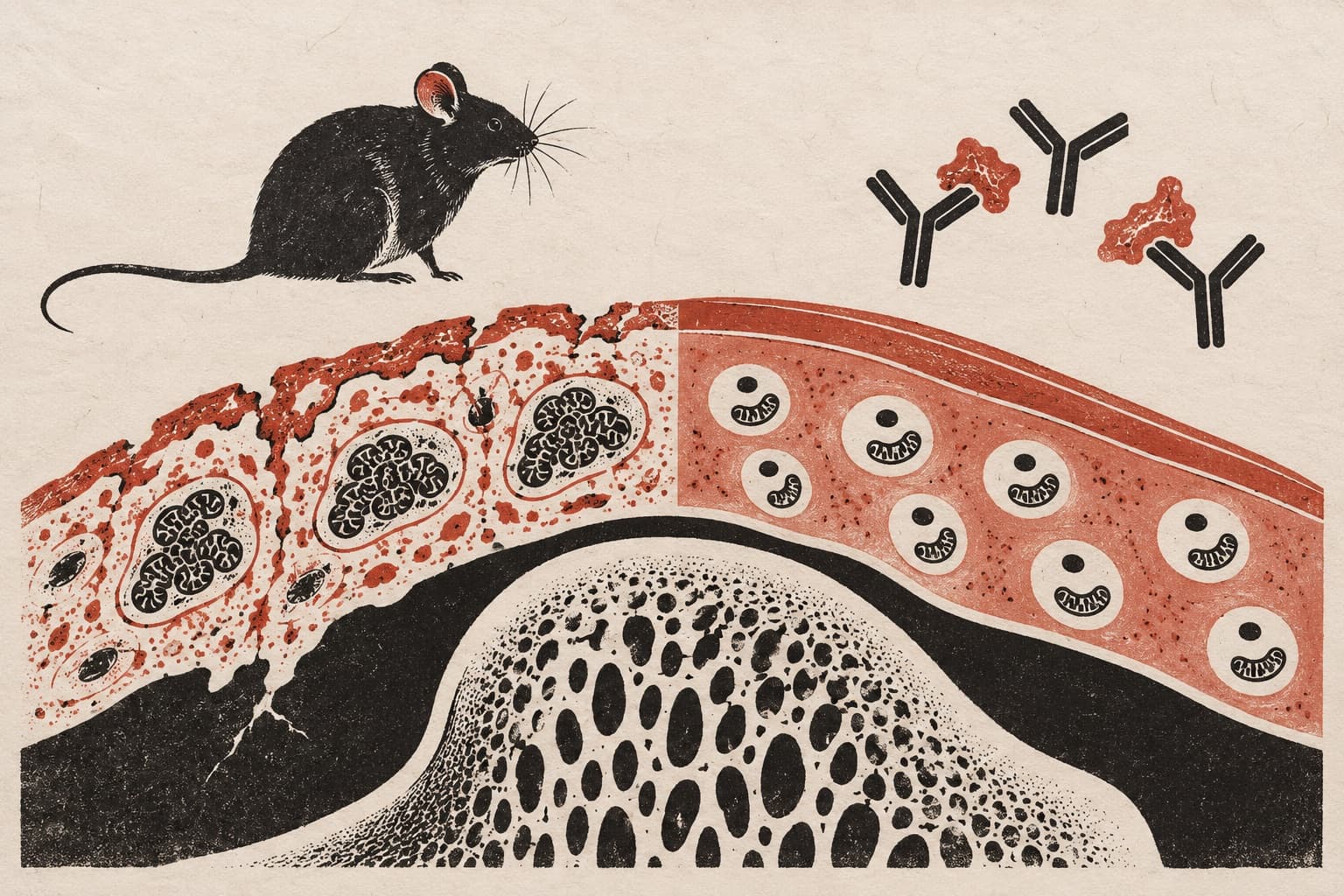
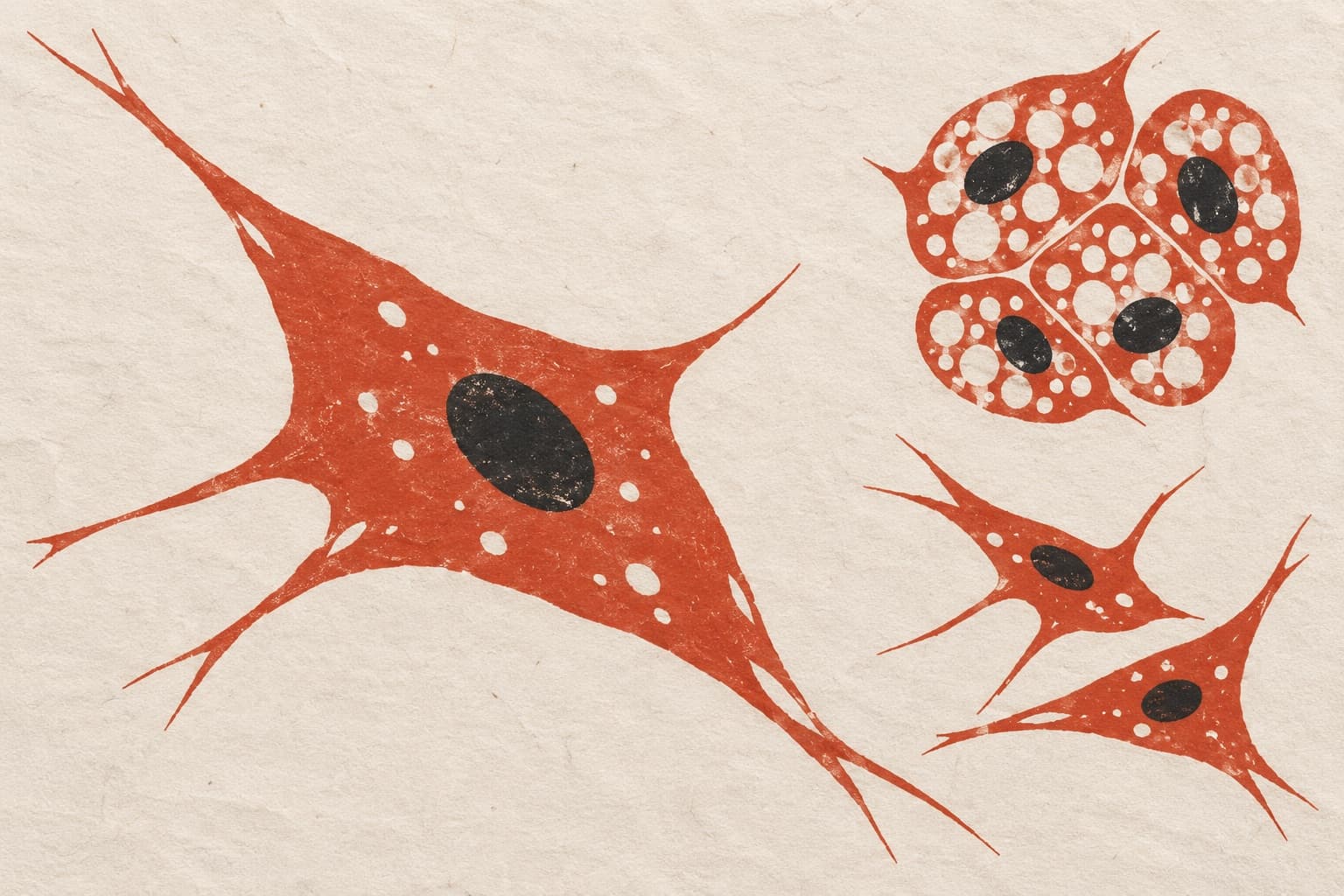
This study explores the complex mechanisms between Rheumatoid Arthritis (RA) and cellular senescence, with a focus on the role of four key genes (MMP1, CCL7, CXCL1, HK3) identified through transcriptome analysis in the GEO database. These genes are closely related to IL-17 signalling and the pathogenesis of RA. In a macrophage senescence model induced by hydrogen peroxide (H₂O₂) and bleomycin (BLM), quantitative real-time PCR (qRT-PCR) and Western blot confirmed the significant upregulation of these genes and an increase in the secretion of the cytokine IL-17, which promotes an inflammatory environment for the polarization of macrophages to M1. When co-cultured with mouse synovial fibroblasts (MSF), MSF showed enhanced vitality and increased invasiveness, indicating a key role for these genes in the progression of RA. Additionally, HK3, less reported in RA, when its expression is knocking down, lactate secretion and lactylation modification at lysine 14 of histone H3 in macrophages were reduced, leading to a change in macrophage polarity. The study concludes that the altered polarity of senescent macrophages drives the proliferation and invasion of MSF, significantly promoting the development of RA and providing insights into the pathophysiology of RA.
The paper
Hainan Medical University
International Immunopharmacology, 3 Feb 2025