Nicotinamide Riboside Supplementation Alleviates Testicular Aging Induced by Disruption of Qprt-Dependent NAD⁺ De Novo Synthesis in Mice
Abstract
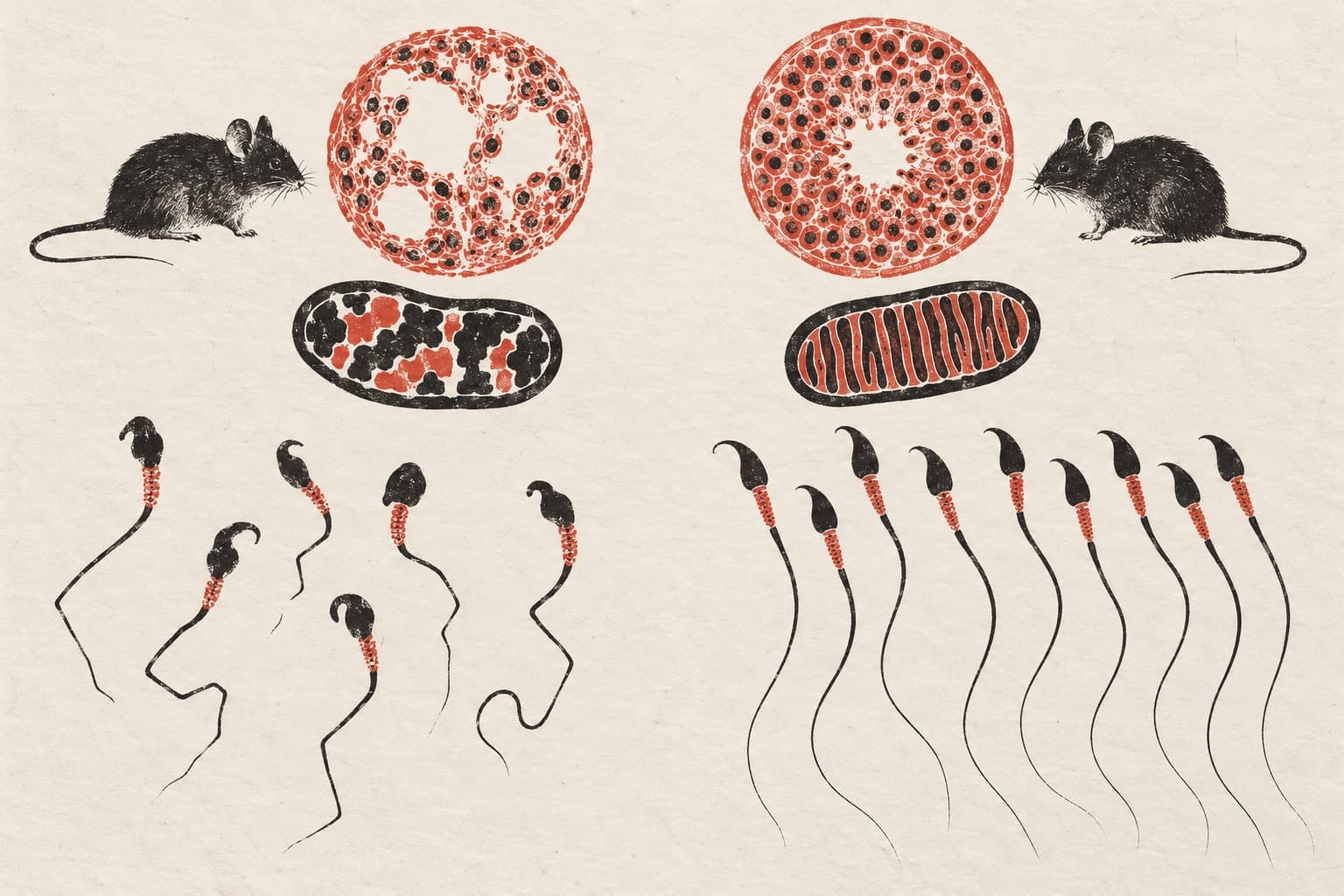
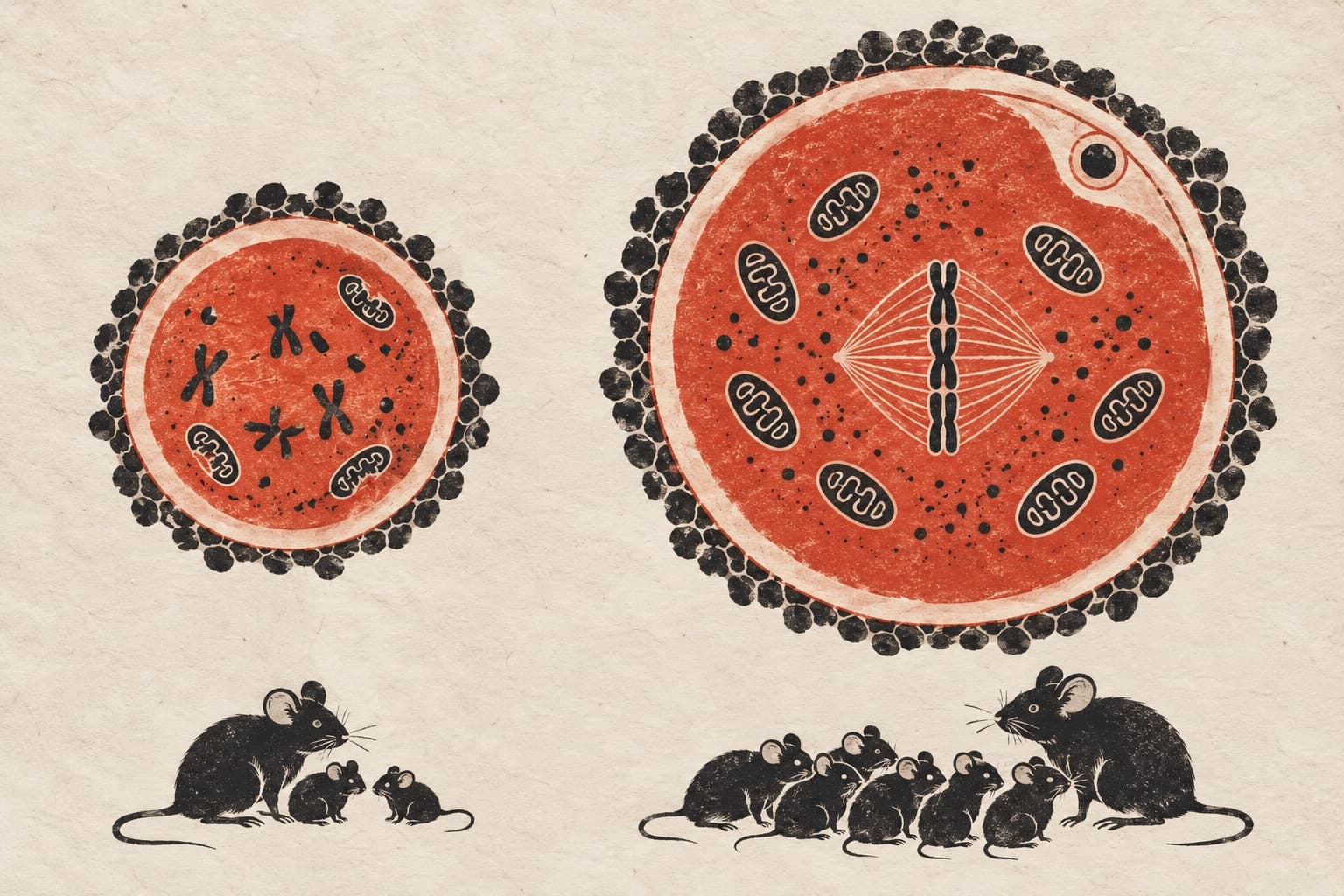
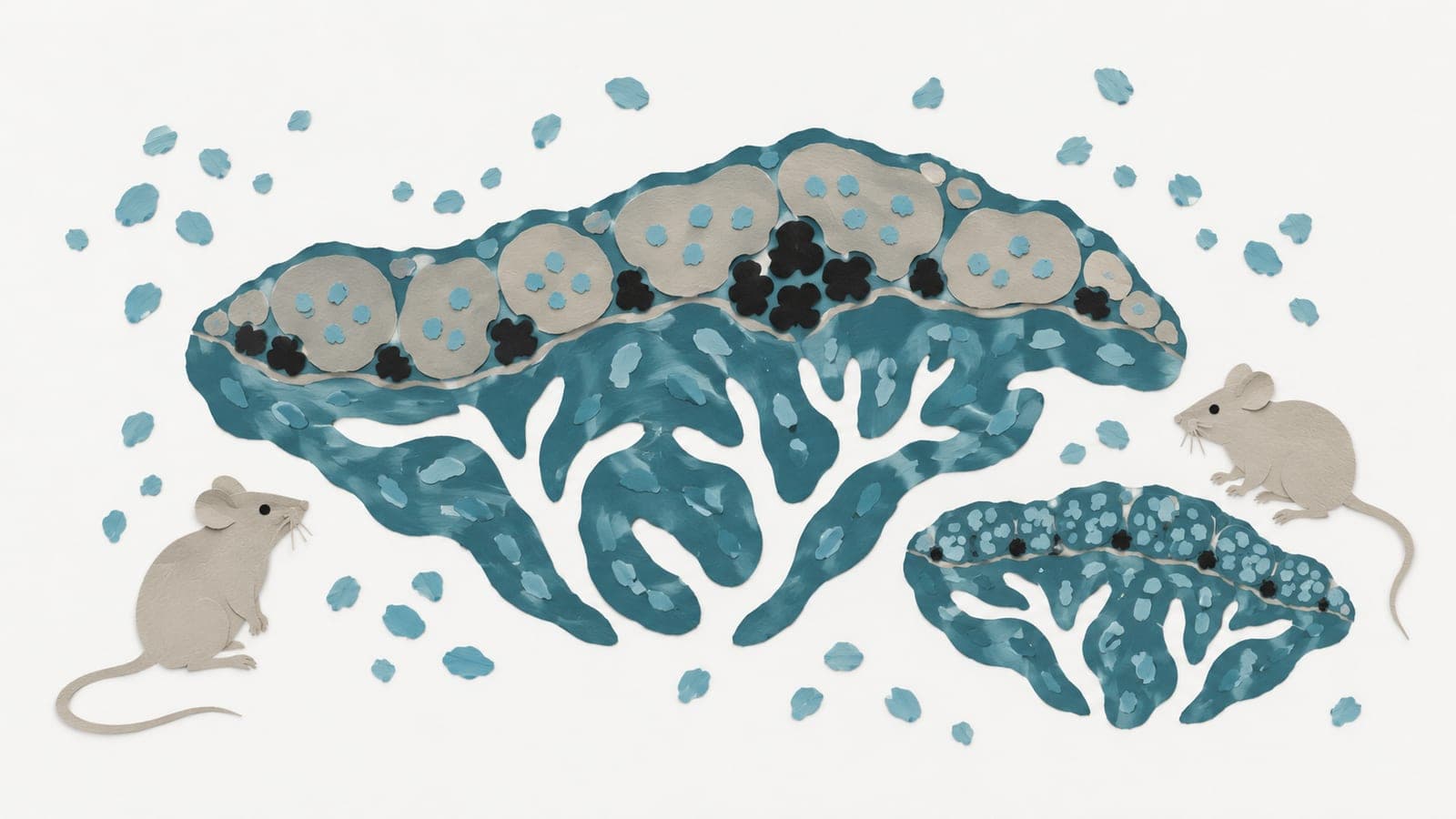
Recent studies have shown that disruptions in the nicotinamide adenine dinucleotide (NAD⁺) de novo synthesis pathway accelerate ovarian aging, yet its role in spermatogenesis remains largely unknown. In this study, we investigated the impact of the NAD⁺ de novo synthesis pathway on spermatogenesis by generating Qprt-deficient mice using CRISPR-Cas9 to target quinolinate phosphoribosyl transferase (Qprt), a key enzyme predominantly expressed in spermatocytes. Our results revealed that the deletion of Qprt did not affect NAD⁺ levels or spermatogenesis in the testes of 3-month-old mice. However, from 6 months of age onward, Qprt-deficient mice exhibited significantly reduced NAD⁺ levels in the testes compared to wild-type (WT) controls, along with a notable decrease in germ cell numbers and increased apoptosis. Additionally, these mice demonstrated mitochondrial dysfunction in spermatocytes, impaired progression through prophase I of meiosis, defective double-strand break (DSB) repair, and abnormal meiotic sex chromosome inactivation. Importantly, supplementation with the NAD⁺ precursor nicotinamide riboside (NR) in Qprt-deficient mice restored NAD⁺ levels and rescued the spermatogenic defects. These findings underscore the critical role of NAD⁺ de novo synthesis in maintaining NAD⁺ homeostasis and highlight its importance in meiotic recombination and meiotic sex chromosome inactivation in spermatogenesis.