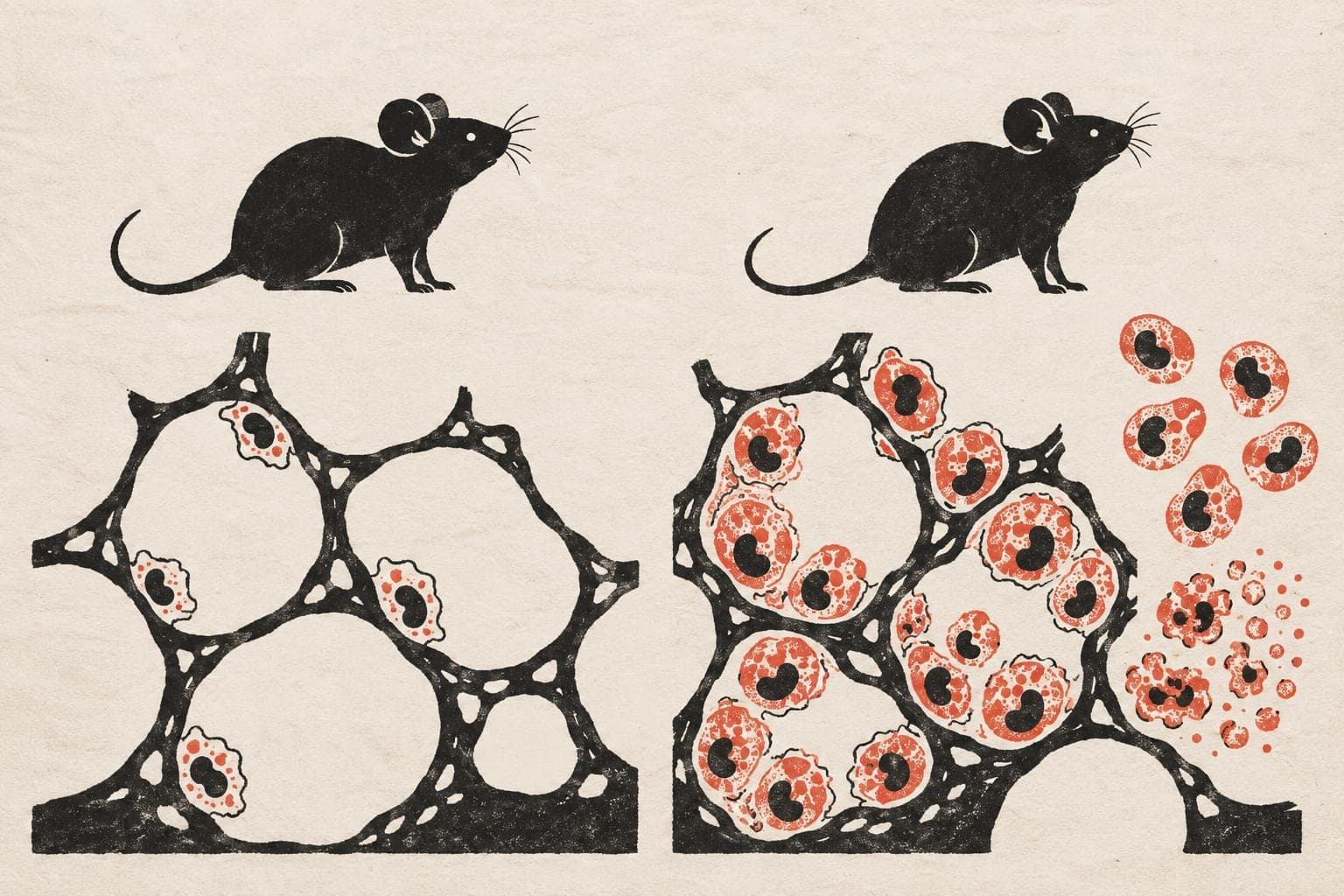
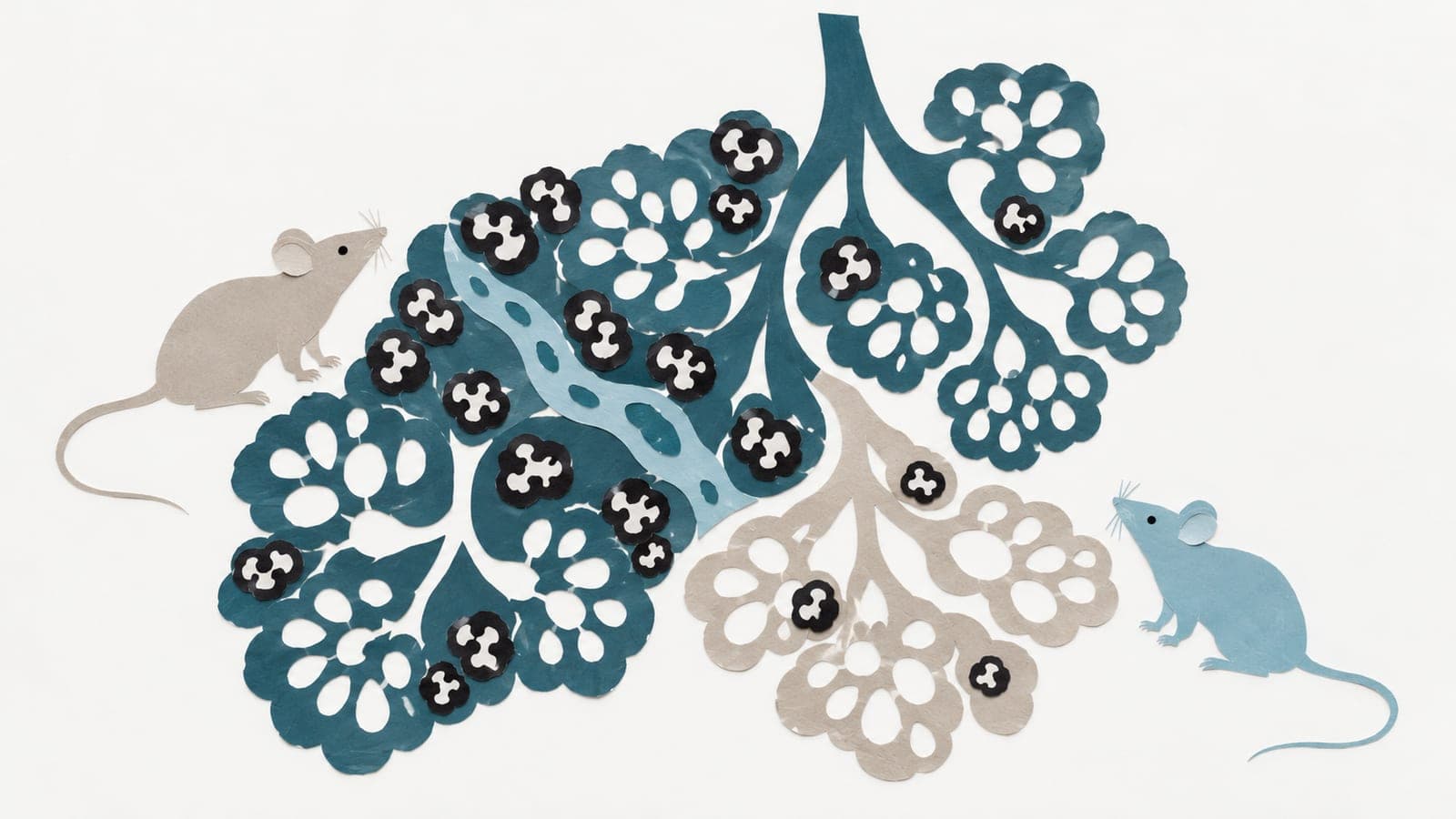
IRF1-RIG-I signaling defects in the aged alveolar epithelial cells may contribute to decreased pulmonary antiviral immune responses
Abstract
BACKGROUND: Alveolar epithelial cells (AECs) are the primary targets of many pathogens and play an important role in sensing viruses and regulating immunity. Yet, little is known about the antiviral responses in the aged AECs. METHODS: The responses of young or aged AECs after viral infection were analyzed using methods such as flow cytometry, quantitative real-time PCR, Western blot detection, and transwell chemotaxis assay. Deep sequencing and KEGG analysis were used to identify key pathways and genes associated with aged AECs, followed by functional analysis. RESULTS: The retinoic acid-inducible gene I (RIG-I) signaling is defective in aged AECs after influenza A virus (IAV) infection. The interferon regulatory factor 1 (IRF1) binds the promoter of RIG-I gene Ddx58 to activate its expression. The regulation of IRF1 is also defective in AECs from aged mice. Fewer NK cells, monocytes, and T cells are recruited by the cell supernatant from PR8-infected aged AECs. Importantly, IRF1-RIG-I signaling is also impaired in the AECs of elderly people after IAV infection. CONCLUSION: Ageing impairs IRF1-RIG-I signaling in AECs, and the defective responses in AECs may contribute to reduced immune cell recruitment and activation in aged individuals after pulmonary viral infection.
The paper
Chinese Academy of Sciences; Henan University
Mechanisms of Ageing and Development, 26 Jan 2025, Open access