Associations of blood-based biomarkers of neurodegenerative diseases with mortality, cardio- and cerebrovascular events in persons with chronic coronary syndrome
Abstract
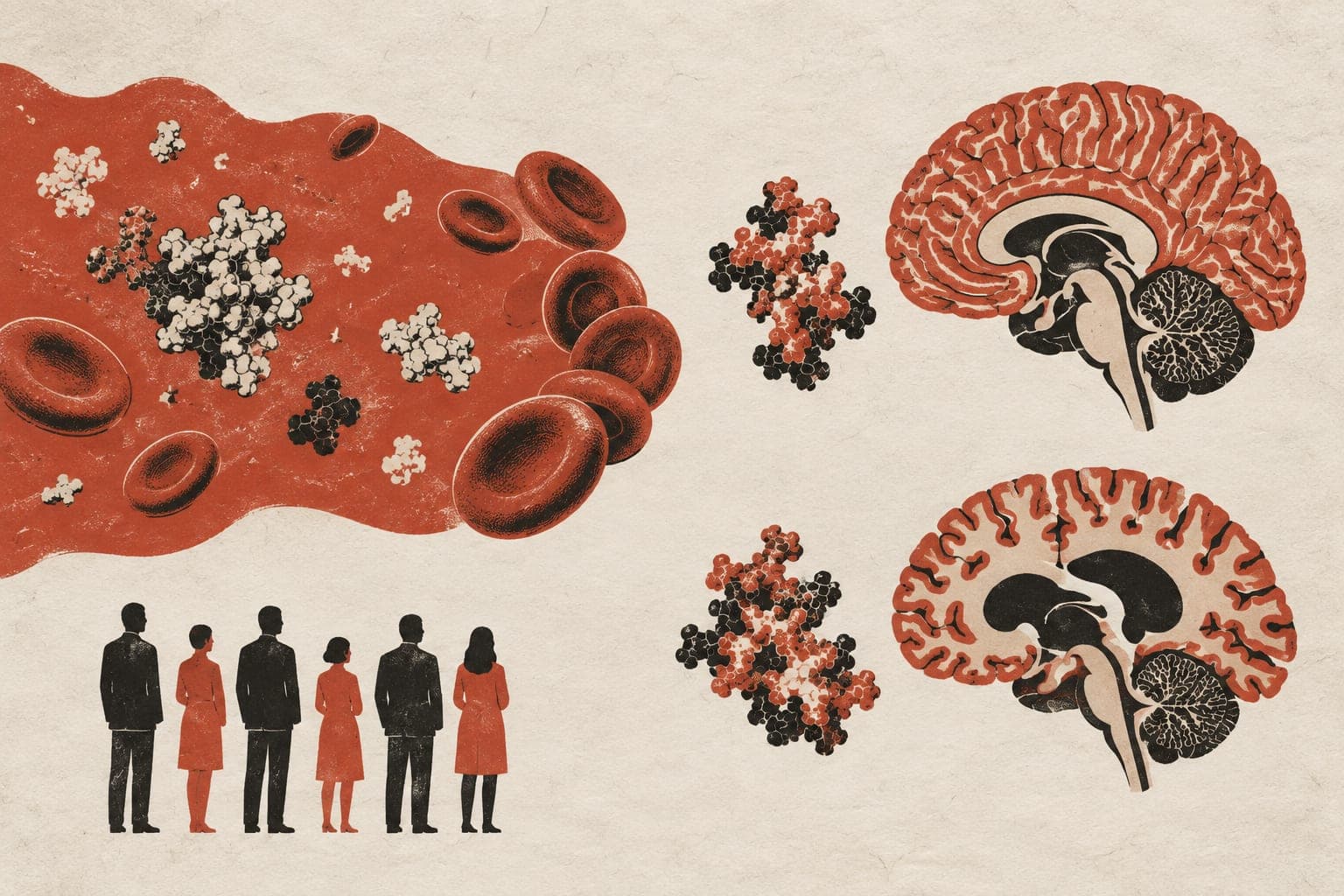
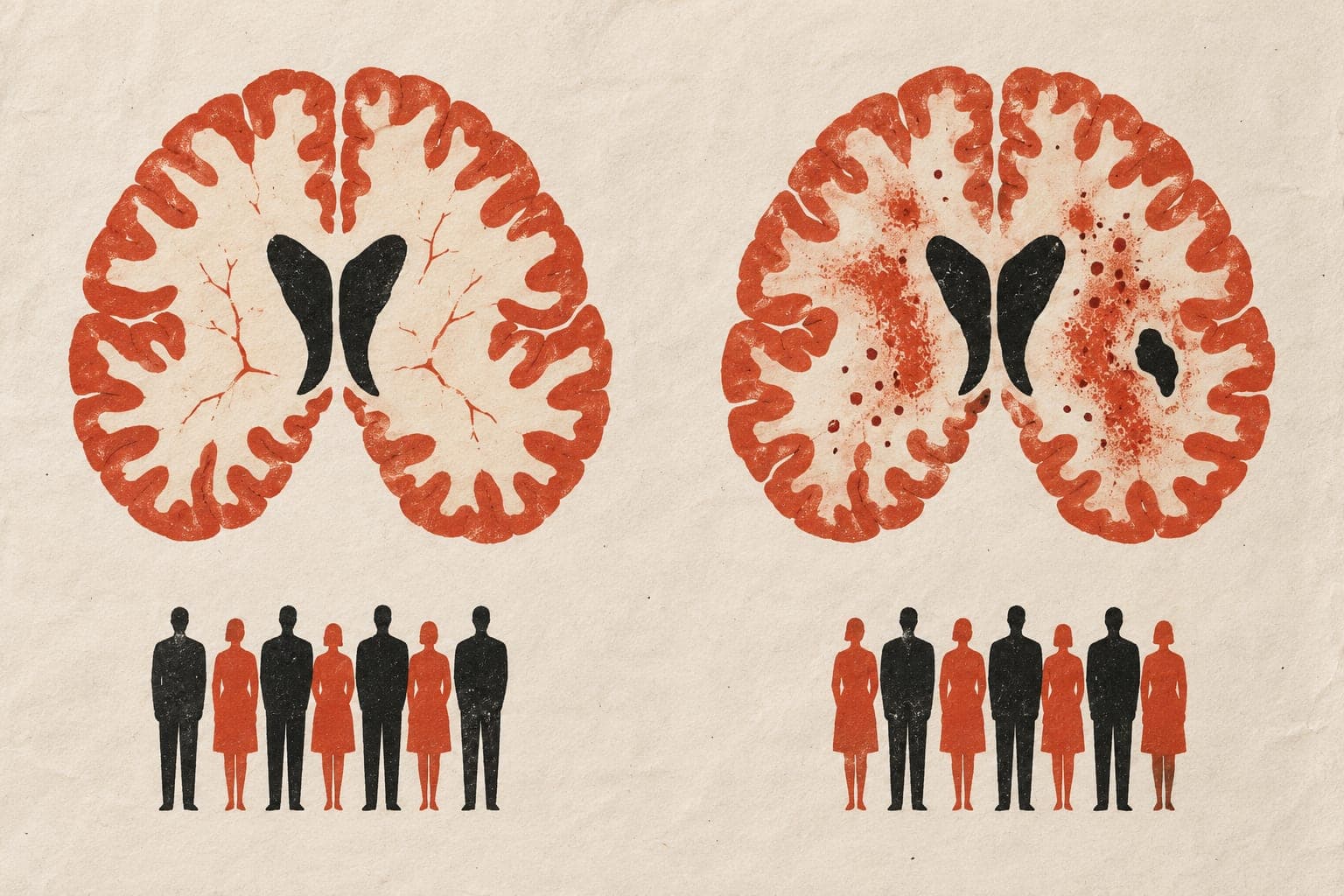
BACKGROUND: In light of growing evidence highlighting interactions between cardiac and brain health, we investigated associations of biomarkers of neurodegenerative diseases with adverse outcomes (all-cause and cardiovascular mortality, major cardiovascular events, and stroke) in persons with chronic coronary syndrome (CCS). METHODS: We used data from a cohort of persons with CCS for whom major adverse events were recorded over a follow-up of 20 years. We measured biomarkers of neurodegenerative diseases in baseline blood samples, using the Single-Molecule Array Technology on a HD-1 Analyzer. These include biomarkers of neuronal (neurofilament light chain (NfL) (n = 379)) and glial neurodegeneration (glial fibrillary acidic protein (GFAP) (n = 379)), and Alzheimer's disease pathology (phosphorylated tau181 (n = 379), total tau (n = 377), and amyloid β (Aβ₄₀, Aβ₄₂, Aβ₄₂/Aβ₄₀) (n = 377)). We applied Cox-proportional hazards models to evaluate associations of these biomarkers with adverse outcomes, adjusting for covariates and exploring interactions with apolipoprotein E (ApoE) ε4 genotype. RESULTS: Participants with higher NfL levels had increased rates of all-cause and cardiovascular mortality (Hazard ratio per increase by one standard deviation (95 % confidence interval): all-cause mortality: 1.36 (1.10-1.68); cardiovascular mortality: 1.42 (1.05-1.93)). The Aβ₄₀/Aβ₄₂-ratio was linked to incident stroke (0.72 (0.52-1.00)). Associations of GFAP with all-cause mortality and incident stroke were depending on ApoE ε4 genotype. The other biomarkers were not significantly associated with the studied outcomes. CONCLUSIONS: In persons with CSS, NfL and the Aβ₄₀/Aβ₄₂-ratio were related to mortality and incident stroke, respectively, whereas associations of GFAP with adverse outcomes varied by ApoE genotype. These biomarkers might play a role in linking aging, cardiovascular and neurodegenerative diseases.
The paper
University of Cologne; German Cancer Research Center
Experimental Gerontology, 18 Jan 2025, Open access