Blood markers linked to later cognitive problems in sleep apnoea
Among 286 adults with sleep apnoea, 68 developed cognitive impairment over a median 4.18 years; higher levels of two blood markers were linked to risk.
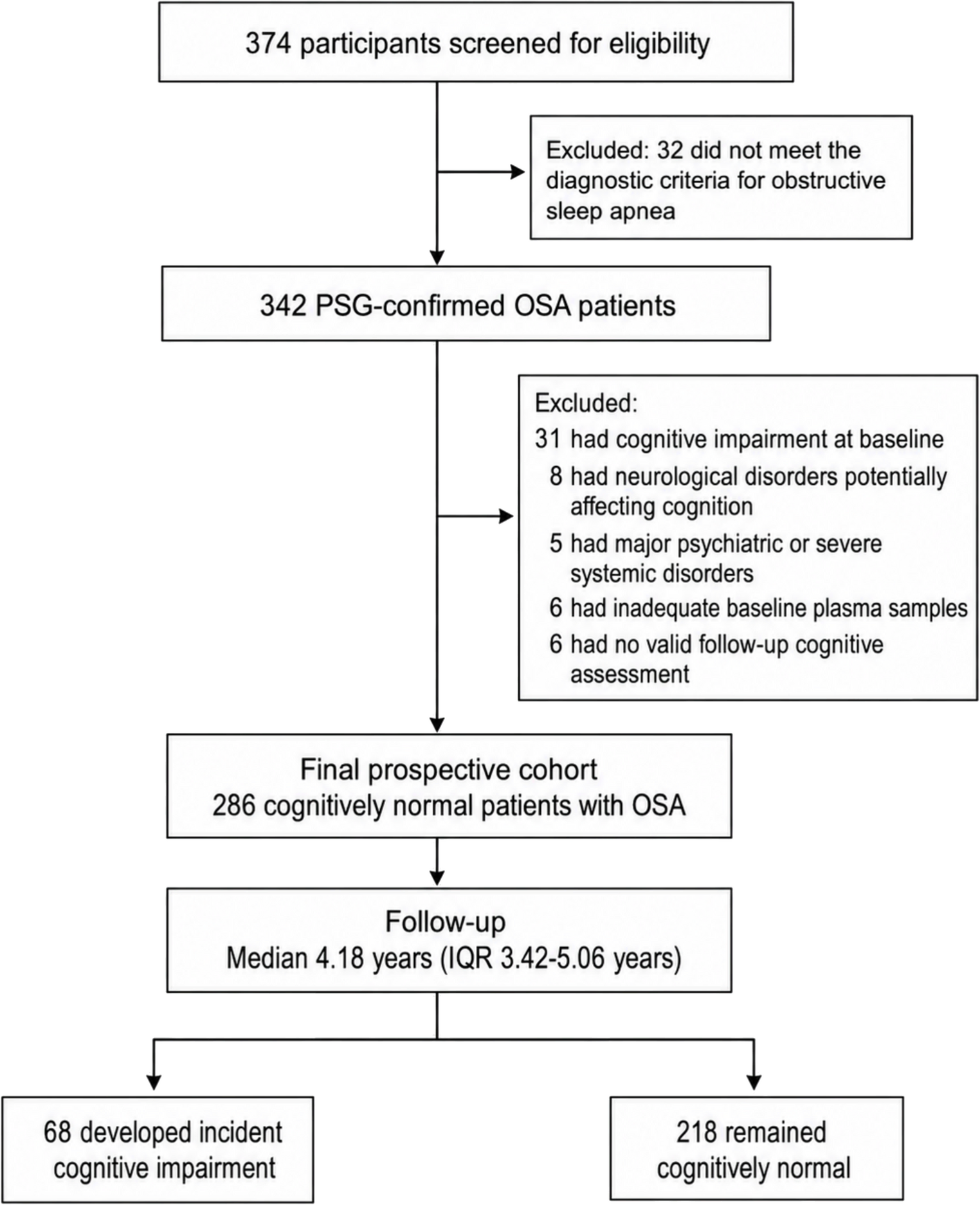
In a prospective observational study, researchers followed 286 adults with obstructive sleep apnoea confirmed by sleep testing who initially had no cognitive impairment. This condition repeatedly blocks breathing during sleep. Researchers measured six blood markers at the start.
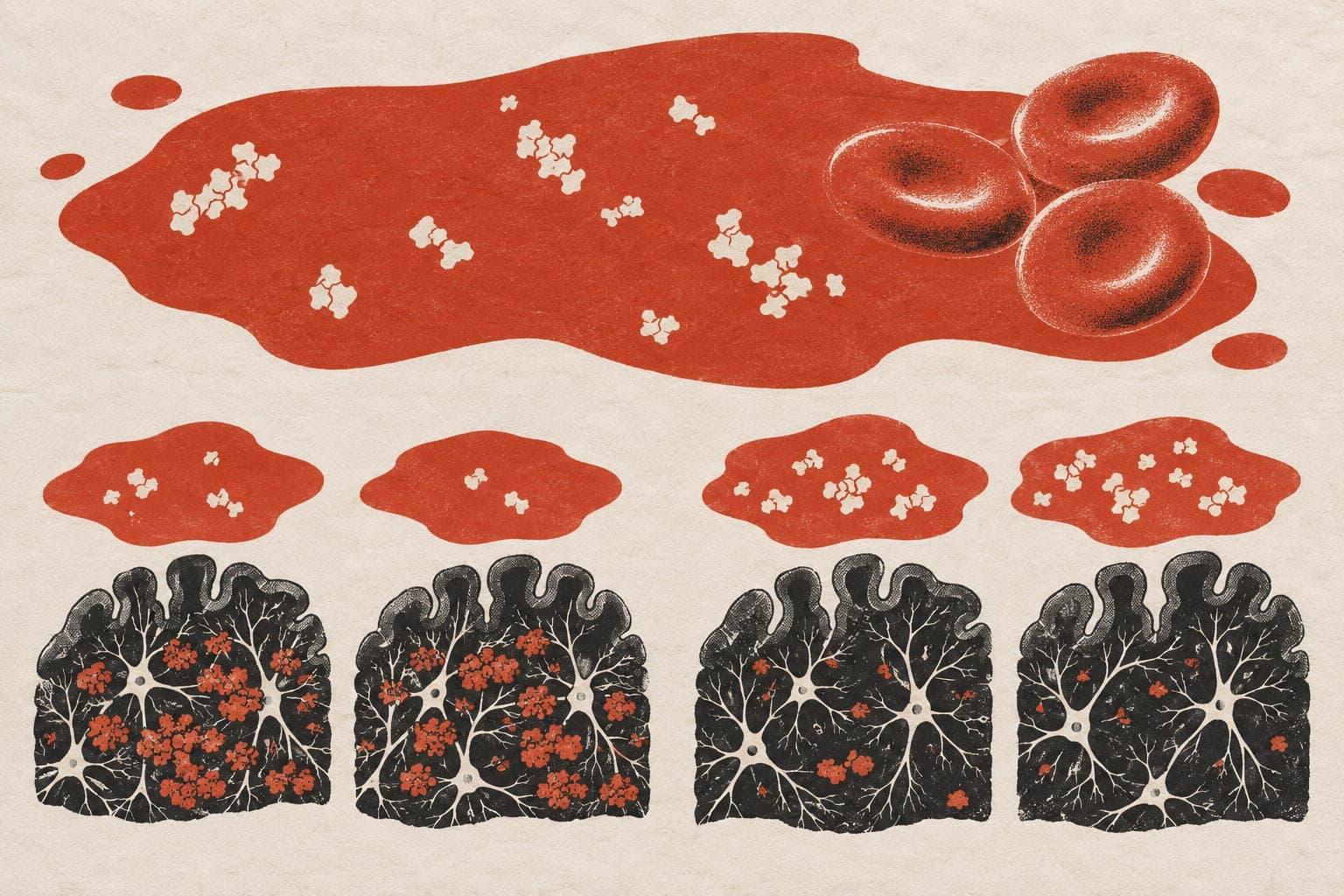
Higher levels of neurofilament light, a marker of nerve fibre injury, and p-tau217, a form of tau protein linked to Alzheimer’s disease biology, were associated with later cognitive impairment. In separate adjusted analyses, each increase of one standard deviation—a measure of variation across participants—was associated with a 46% higher risk for neurofilament light and a 58% higher risk for p-tau217. Both links remained when researchers analysed the markers together and accounted for other factors. Higher levels of both markers were also linked to faster declines in cognitive test scores.
Why it matters
The work addresses whether blood markers of nerve injury and Alzheimer’s disease-related biology can help identify cognitive risk before impairment appears.
Caveats
The observational design could not establish cause and effect. The study followed adults with sleep apnoea, so the findings may not apply to people without it.
The paper
Henan Provincial Cardiovascular Hospital; Zhengzhou University people's hospital
Sleep & Breathing, 12 Oct 2026