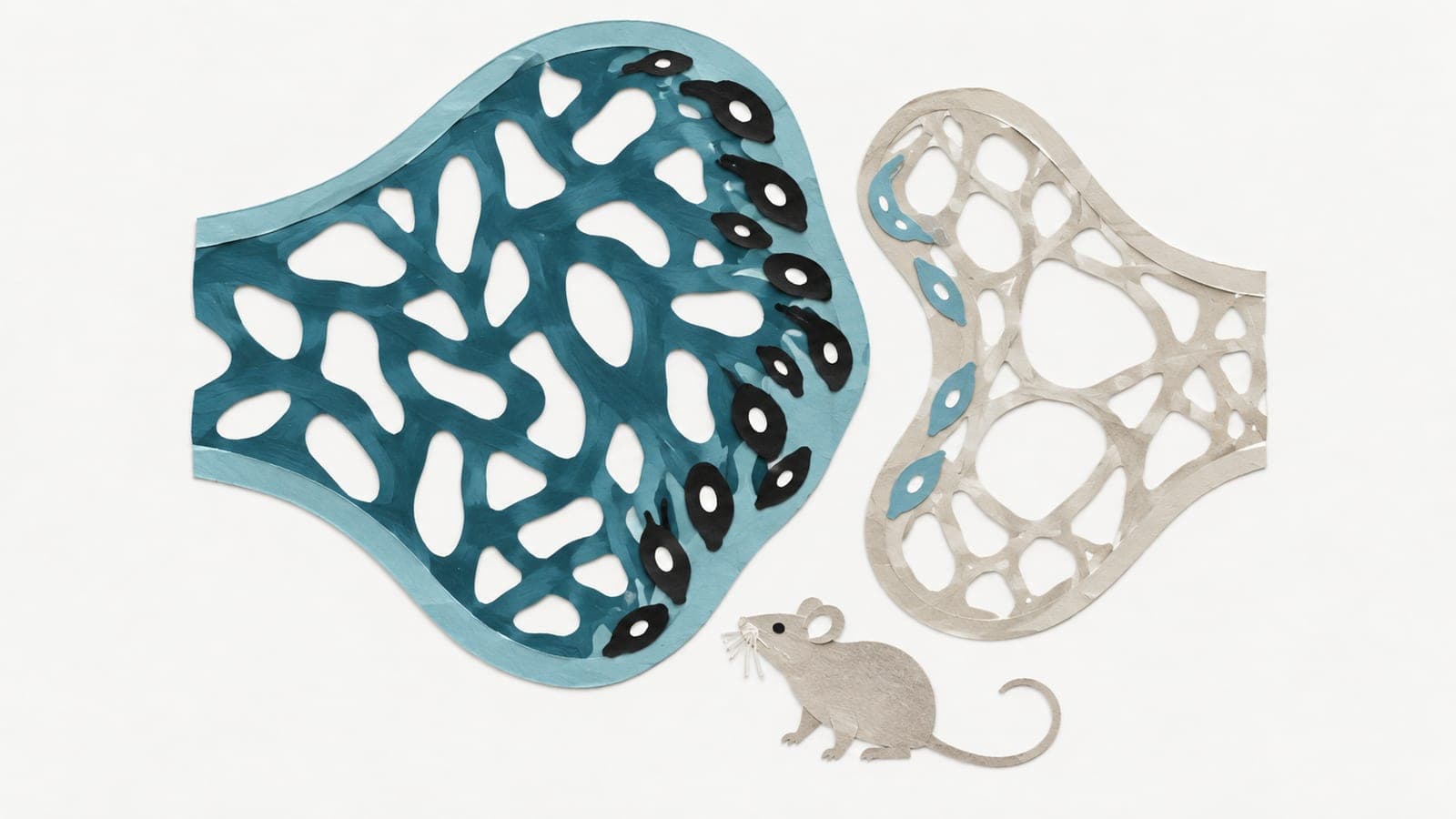
Bmi-1 plays an important role in preventing bone aging by regulating the bone microenvironment
Abstract
BACKGROUND: B-cell specific Moloney MLV insertion site-1 (Bmi-1) belongs to the polycomb group (PcG) gene and is a transcriptional suppressor to maintain appropriate gene expression patterns during development. To investigate whether the Bmi-1 gene has a corrective effect on bone senescence induced in Bmi-1-/- mice through regulating the bone microenvironment. METHODS: Littermate heterozygous male and female mice (Bmi-1+/-) were used in this study. Related experiments were performed in wild type mice (10 mice, WT group) and Bmi-1 knock out mice (10 mice, BKO group) for analysis of phenotype, skeletal radiography, micro-computed tomography, histology, immunohistochemical staining, western blot analysis, and detection of ROS levels. RESULTS: Our results indicated that the Bmi-1 gene could proportionally rescued mice suffering from bone aging induced by Bmi-1 gene defects. Bmi-1 plays an anti-aging effect in bone through multiple aspects, such as increasing osteoblast bone formation and decreascing osteoclast bone absorption, stimulating proliferation, reducing apoptosis, inhibiting reactive oxygen species (ROS) and delaying DNA damage. CONCLUSIONS: Our results suggested that Bmi-1 may play a fundamental and important role in correcting bone senescence in BKO mice. At the same time, it may provide theoretical basis for the clinical application of Bmi-1 in anti-aging in bone.
The paper
Hunan University of Medicine
International Journal of Clinical and Experimental Pathology, 15 Dec 2024, Open access