MAM-STAT3-Driven Mitochondrial Ca⁺² Upregulation Contributes to Immunosenescence in Type A Mandibuloacral Dysplasia Patients
Abstract
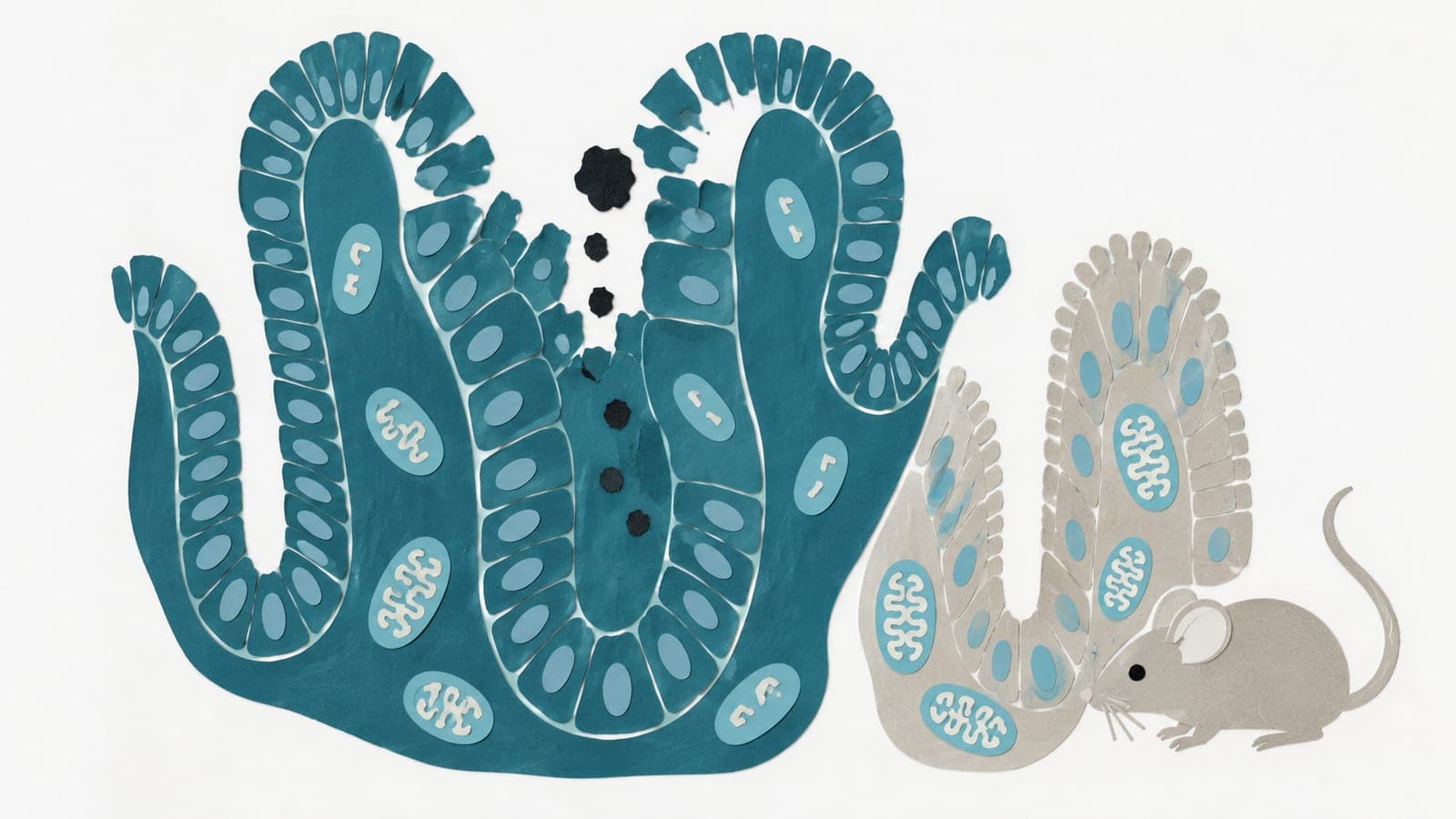
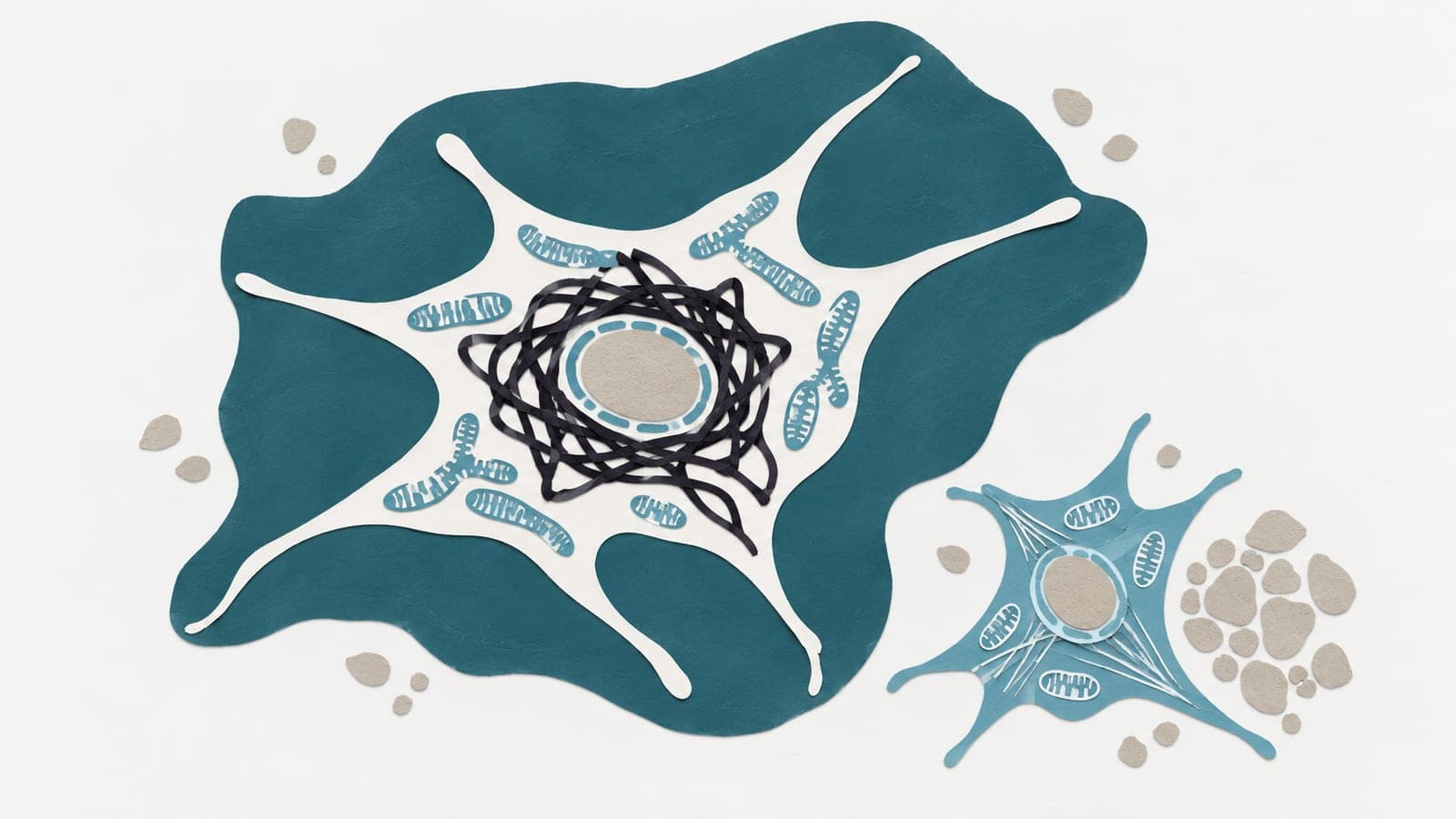
Individuals with homozygous laminA/C p.R527C mutations manifest a severe form of Mandibuloacral dysplasia-(MAD) and exhibit overlapping progeroid symptoms, for which the underlying molecular pathology remains unknown. Herein, it is shown that MAD patients achieved inflammaging with different pro-inflammatory cytokines compared to progeria-(HGPS) patient. Characterization of MAD iPSC-derived Mesenchymal stem cells (MAD-iMSC) uncovers deregulated mitochondrial Ca⁺² as the primary cause of inflammaging, mediated through inflammasome formation rather than the cGAS-STING pathway. Moreover, MAD-iMSCs extracellular vesicles (EVs) can also upregulate mitochondrial Ca⁺² in healthy cells. This deregulated Ca⁺² homeostasis is indirectly mediated by mitochondrial calcium mediator, signal transducer, and activator of transcription-3 (STAT3), situated on the mitochondrial associated membrane (MAM). Inflammaging is mitigated by various FDA-approved MAM-STAT3 upstream inhibitors, such as (Tocilizumab) or by correcting R527C mutation with CRISPR/CAS9. These results provide new insights into MAD disease and propose targeting defective mitochondrial Ca⁺² homeostasis as a promising therapy for reversing immunosenescence.
The paper
University of Connecticut; Shenzhen University
Advanced Science, 11 Dec 2024, Open access