Association between residential environment quality with mild cognitive impairment among middle and elderly adults in China
Abstract
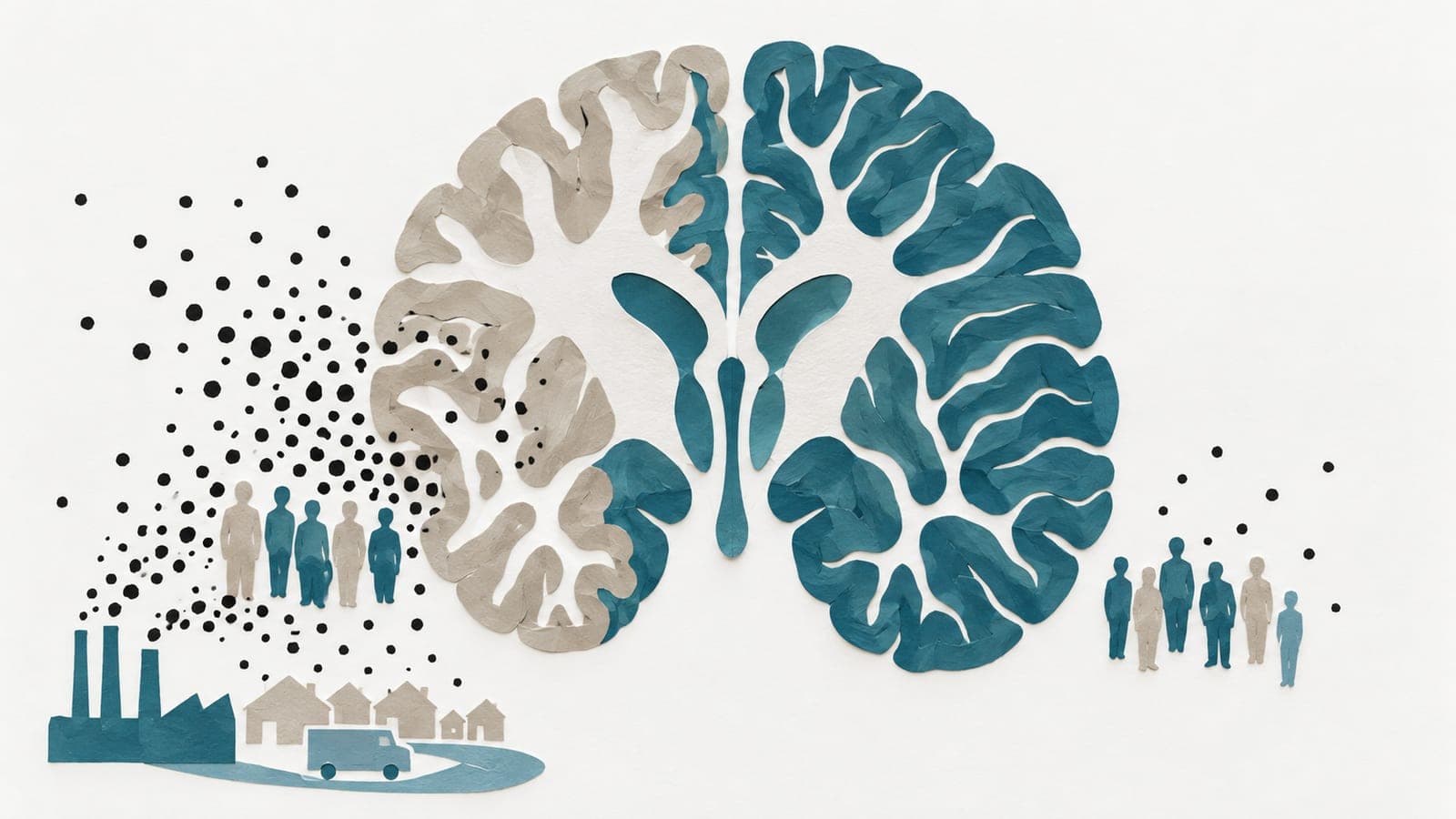
BACKGROUND: Most studies have focused on the effects of individual environmental risk factors on cognitive function; however, none have evaluated the association between residential environmental quality and cognitive impairment. METHODS: Data from the China Health and Retirement Longitudinal Study (CHARLS) were used to include 12,801 participants in a cross-sectional study and 8781 participants in a cohort study. Residential environmental quality was assessed using indicators such as particulate matter, types of household fuel, water sources, indoor temperature, and building types. Based on the residential environment quality score, participants were classified into three groups: comfortable (0-1 points), moderate (2-3 points), and poor (4-6 points). To evaluate the association between residential environmental quality and cognitive scores in the cross-sectional study, as well as the development of mild cognitive impairment (MCI) in the cohort study, ordinary least squares (OLS) regression and logistic regression models were applied. RESULTS: In the cross-sectional study, cognitive scores and performance across four dimensions-orientation, computation, memory, and drawing-showed a significant decline from the comfortable to the poor residential environment groups. In the fully adjusted OLS regression model, scores across these dimensions were significantly reduced in the moderate and poor groups compared to the comfortable group (P for trend <0.001). The incidence of MCI from 2011 to 2018 was 10.1 %, 16.8 %, and 18.8 % for participants living in comfortable, moderate, and poor environments, respectively, with statistically significant differences among groups (all P < 0.07). Logistic regression analysis revealed an odds ratio of 1.25 (95 % CI: 1.02-1.53) for the moderate group and 1.31 (95 % CI: 1.04-1.65) for the poor group, compared to the comfortable group (P for trend<0.05). CONCLUSIONS: An inferior residential environment is associated with lower cognitive scores and a higher rik of developing MCI in middle-aged and older Chinese adults.
The paper
Tangshan Gongren Hospital
Journal of the Neurological Sciences, 23 Nov 2024