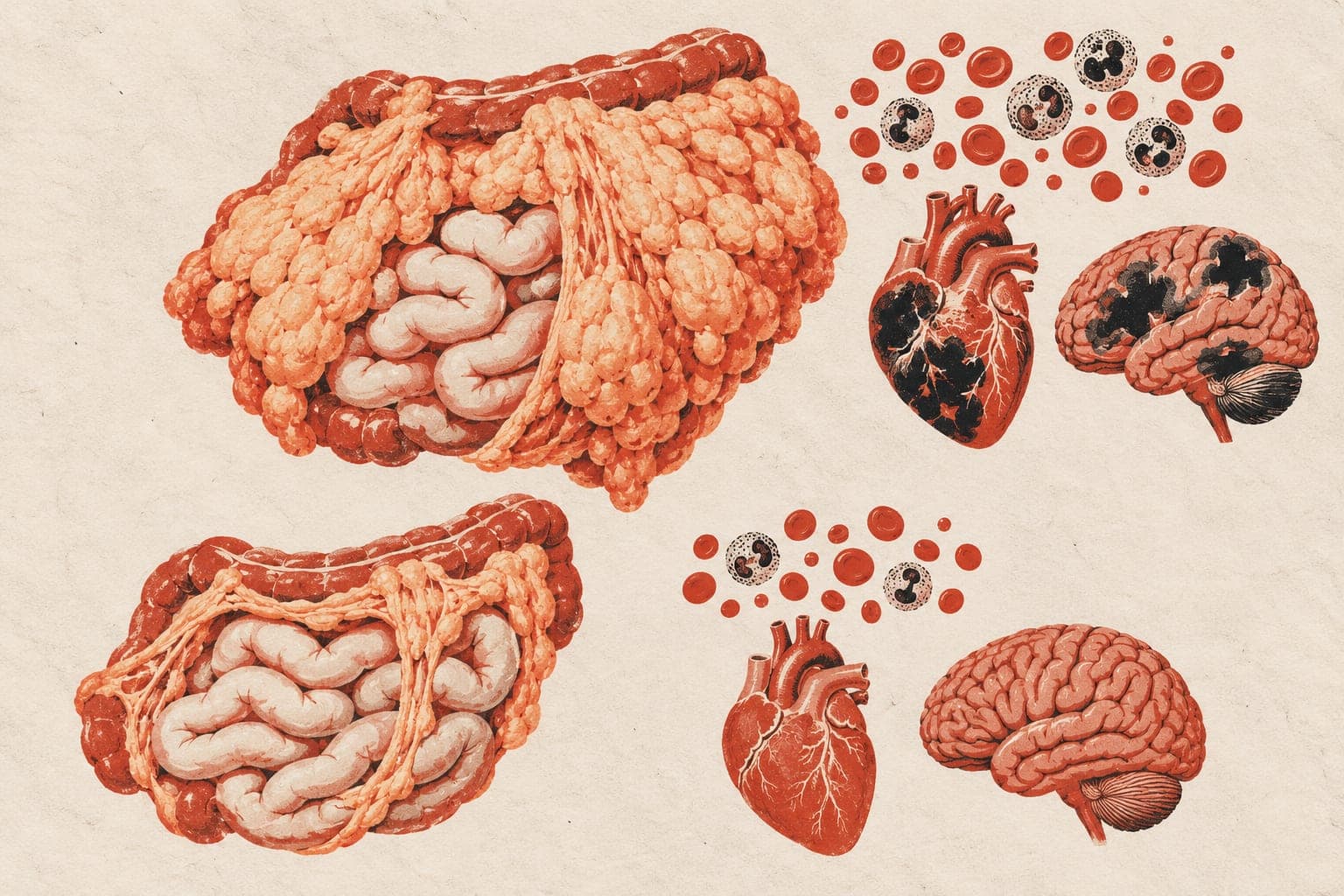
Living conditions linked to multiple heart or metabolic diseases
The low-risk living-environment group had a lower rate of new cases than the high-risk group, with a hazard ratio, comparing these rates, of 0.51.
BMC Public Health
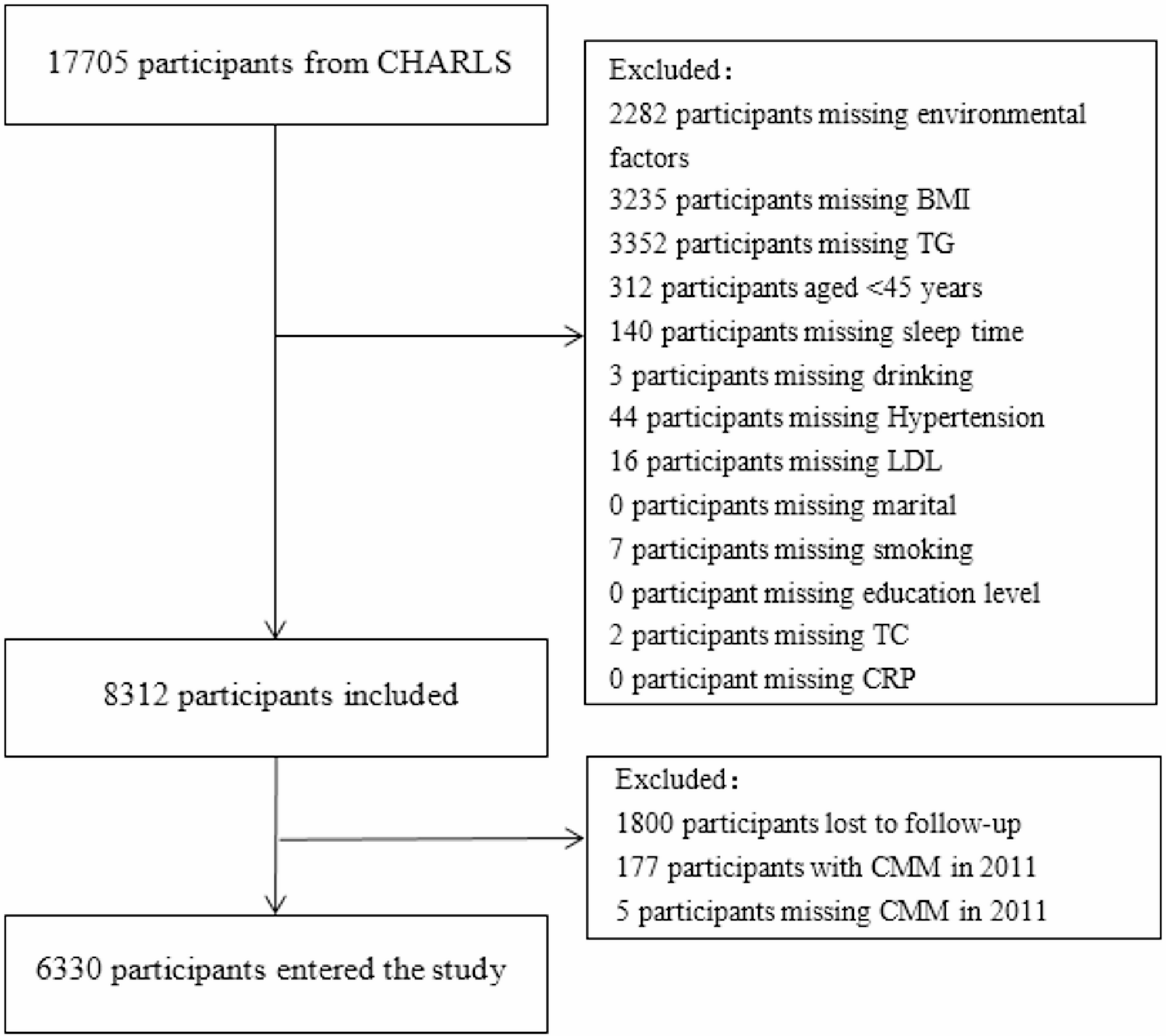
An observational cohort study followed 6,330 adults aged 45 or older in China who initially did not have cardiometabolic multimorbidity: multiple conditions affecting the heart, blood vessels or how the body uses energy. Researchers built an index of living environmental quality. They compared groups after accounting for differences in participants’ backgrounds, behaviours and health.
Over seven years, 482 participants developed these coexisting conditions. More favourable residential environments were associated with lower risk. The middle-risk environmental group had a hazard ratio of 0.78 compared with the high-risk group. Living in a multi-storey building and access to tap water were each associated with lower risk. The overall association remained generally consistent across analyses that tested the robustness of the results.
Why it matters
Coexisting heart and metabolic conditions are a growing concern in aging populations. Considering several residential features together may help researchers understand the role of people’s surroundings in health in later life.
Caveats
This observational study cannot show that living conditions caused the differences in risk. Other factors may still have influenced the associations, and the environmental-quality index had limitations.
- Living environmental quality
- Access to tap water
- Residence in a multi-storey building
- Cardiometabolic multimorbidity
- Incident cardiometabolic multimorbidity
- Humans