Defining and characterizing neuronal senescence, 'neurescence', as GX arrested cells
Abstract
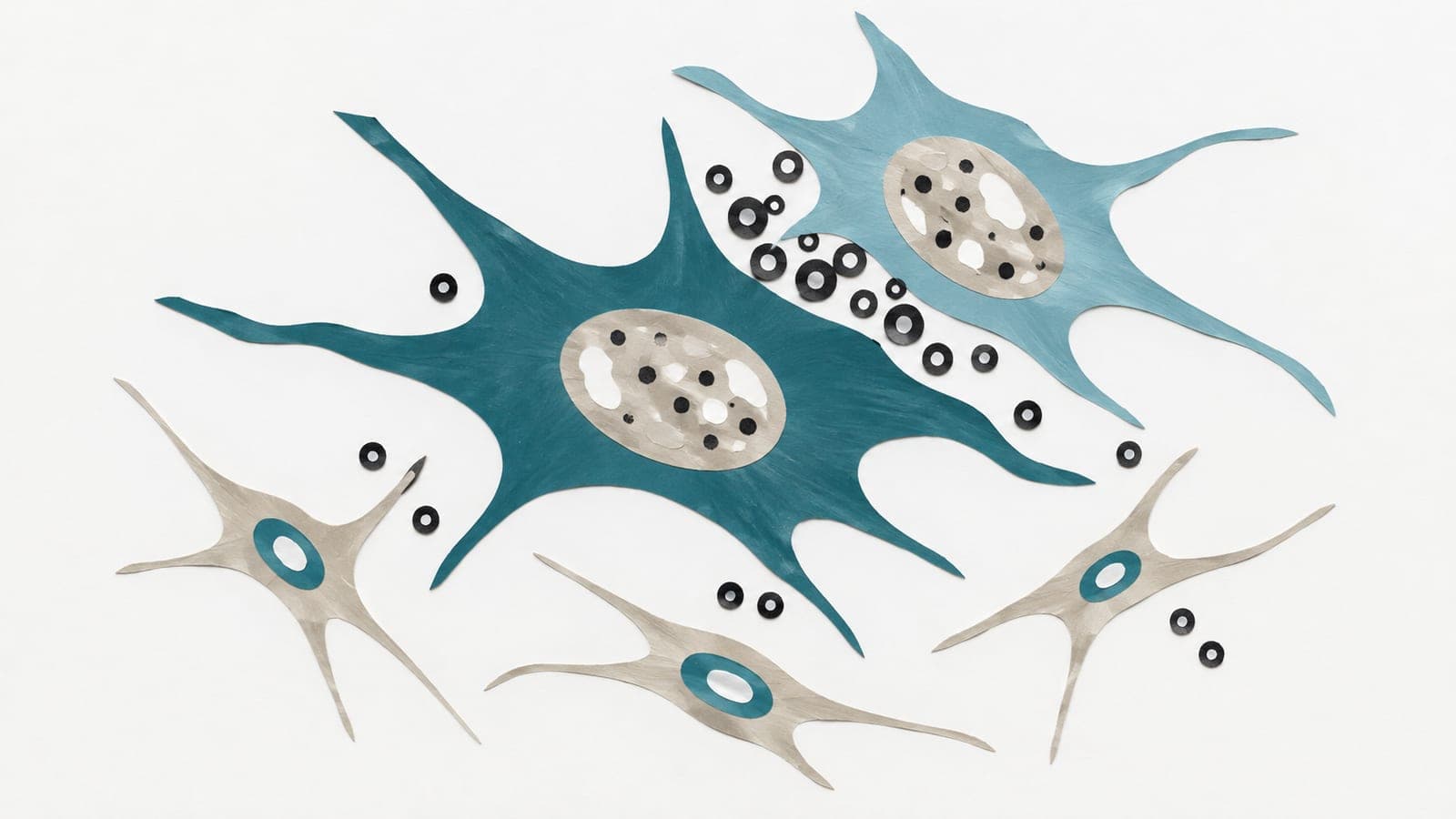
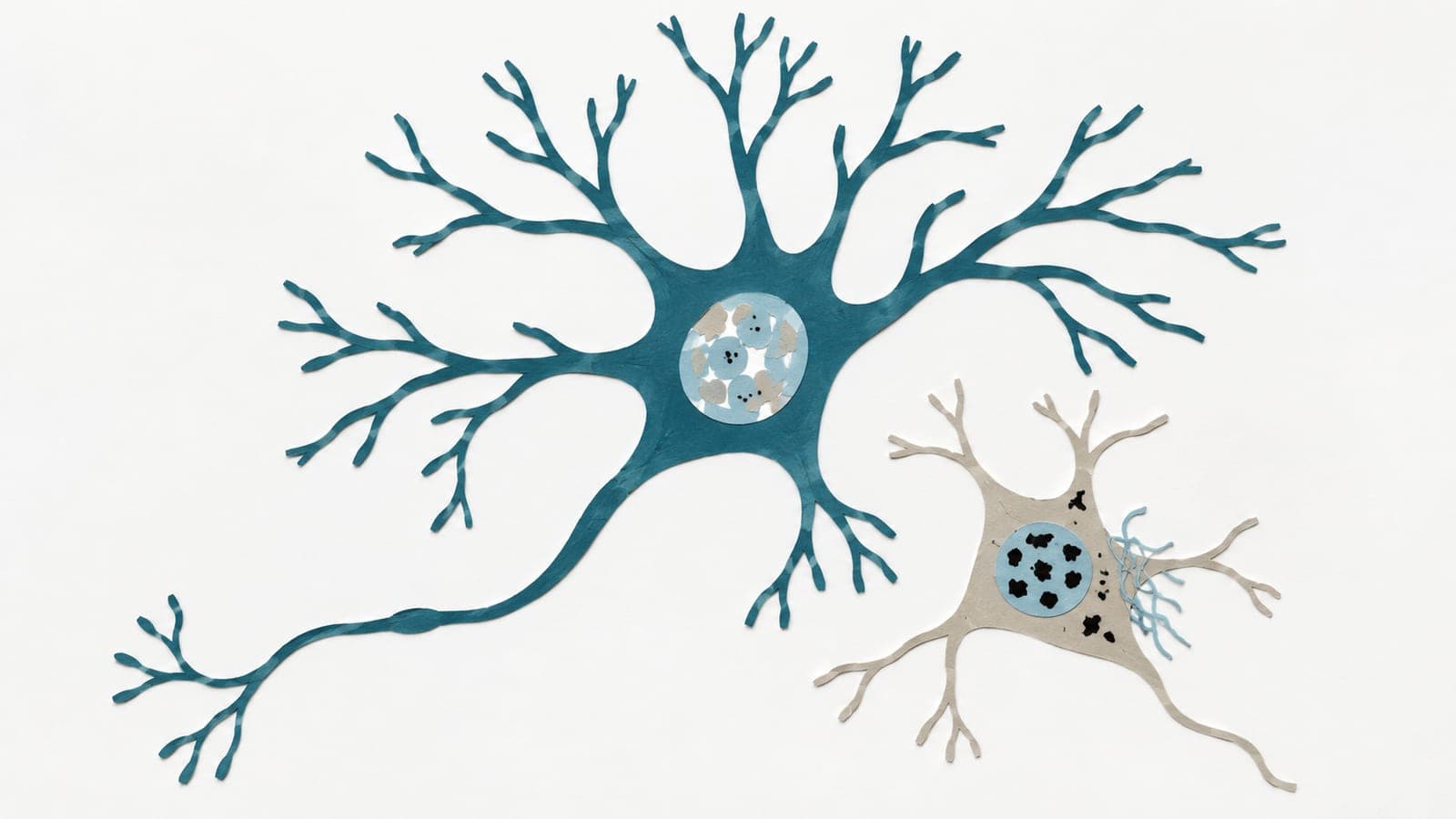
Cellular senescence is a cell state characterized by resistance to apoptosis and stable cell cycle arrest. Senescence was first observed in mitotic cells in vitro. Recent evidence from in vivo studies and human tissue indicates that postmitotic cells, including neurons, may also become senescent. The quiescent cell state of neurons and inconsistent descriptions of neuronal senescence across studies, however, have caused confusion in this burgeoning field. We summarize evidence demonstrating that exit from G₀ quiescence may protect neurons against apoptosis and predispose them toward senescence. Additionally, we propose the term 'neurescent' for senescent neurons and introduce the cell state, GX, to describe cell cycle arrest achieved by passing through G₀ quiescence. Criteria are provided to identify neurescent cells, distinguish them from G₀ quiescent neurons, and compare neurescent phenotypes with classic replicative senescence.
The paper
Wake Forest University Health Sciences; W. G. (Bill) Hefner VA Medical Center
Trends in Neurosciences, 9 Oct 2024, Open access, accepted manuscript