Aging brought additional immune response alterations after breakthrough infections with the Omicron BA.5/BF.7 variants: Protein immune mechanism
Abstract
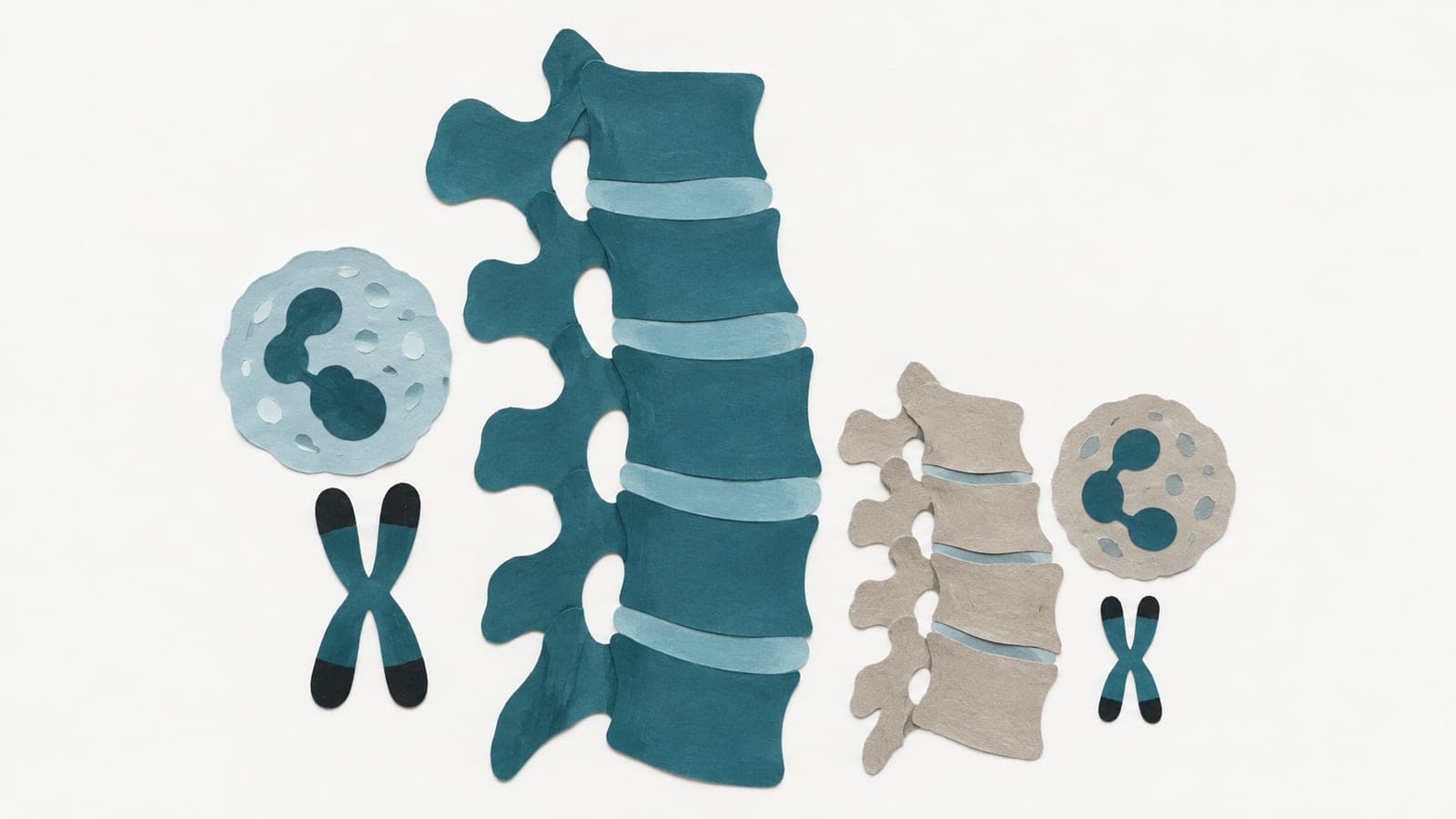
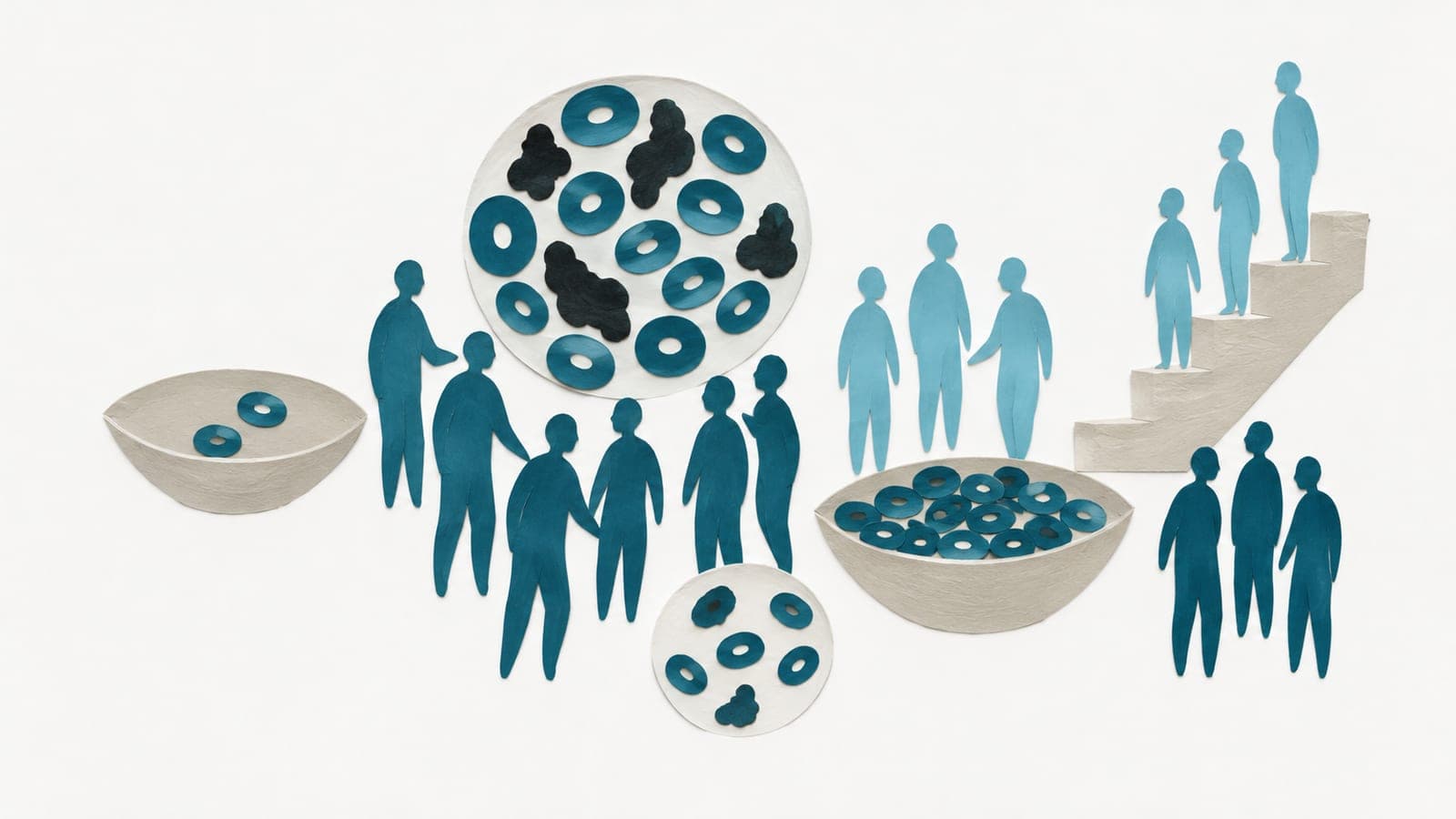
The global spread of the Omicron variant strain BA.5/BF.7 has led to an increase in breakthrough infections. The elderly population shows different immune responses after infection due to the aging of the immune system, which has not been fully studied. The aim of this study was to investigate the effect of aging on immune response after breakthrough infection of Omicron BA.5/BF.7 variant, especially the changes of protein immune mechanism. The study analyzed the concentration of antibodies in serum and their ability to neutralize the mutant strain by comparing the immune response of the elderly population and the young population after infection. Proteomics techniques were used to assess differences in the expression of key proteins in immune cells of different age groups. The study found that older subjects produced lower levels of antibodies after infection than younger subjects and showed a significantly reduced ability to neutralize against BA.5/BF.7. In addition, proteomic analysis showed that the expression of proteins related to inflammation and apoptosis significantly increased in the immune cells of the elderly, while the proteins related to antiviral response and cell repair significantly decreased. These findings provide new ideas for immune intervention strategies in the elderly population, and emphasize the targeted research of anti-virus vaccines.
The paper
Shanghai Medical College of Fudan University
International Journal of Biological Macromolecules, 30 Sep 2024
doi.org/10.1016/j.ijbiomac.2024.136183PubMed 39357723
Corrected, 1 Sep 2026