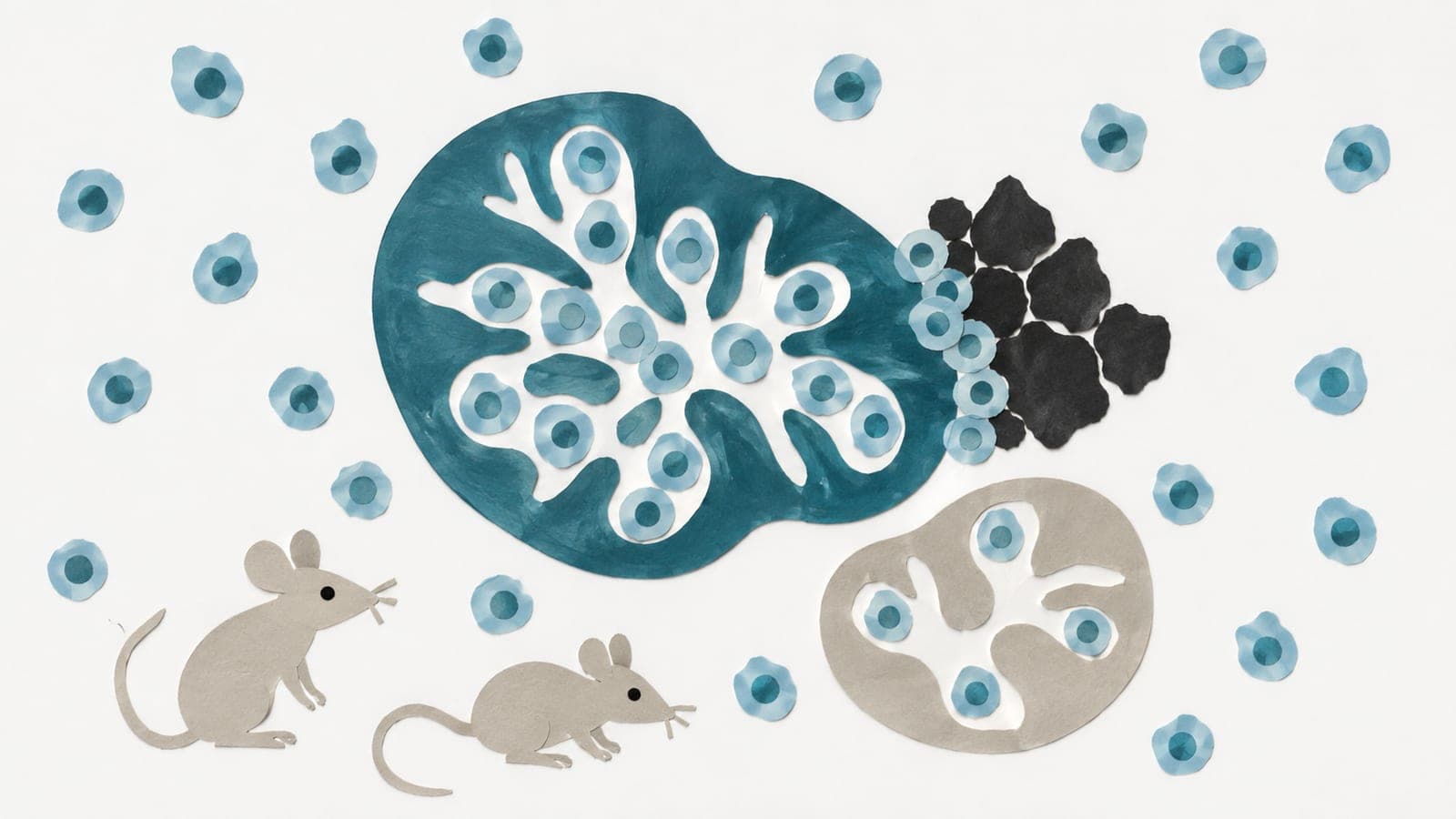
Impact of aging on the frequency, phenotype, and function of CD4+ T cells in the human female reproductive tract
Abstract
Since CD4+ T cells are essential for regulating adaptive immune responses and for long lasting mucosal protection, changes in CD4+ T cell numbers and function are likely to affect protective immunity. What remains unclear is whether CD4+ T cell composition and function in the female reproductive tract (FRT) changes as women age. Here we investigated the changes in the composition and function of CD4+ T cells in the endometrium (EM), endocervix (CX), and ectocervix (ECX) with aging. We observed a significant decrease in both the total number and percentage of CD4+ T cells in the EM with increasing age, particularly in the years following menopause. CD4+ T cells within the FRT predominantly expressed CD69. The proportion of CD69+CD4+ T cells increased significantly with increasing age in the EM, CX and ECX. The composition of T helper cell subsets within the EM CD4+ T cell population also showed age-related changes. Specifically, there was a significant increase in the proportion of Th1 cells and a significant decrease in Th17 and Treg cells with increasing age. Furthermore, the production of IFNγ by CD4+ T cells in the EM, CX, and ECX significantly decreased with increasing age upon activation. Our findings highlight the complex changes occurring in CD4+ T cell frequency, phenotype, and function within the FRT as women age. Understanding these age-related immune changes in the FRT is crucial for enhancing our knowledge of reproductive health and immune responses in women.
The paper
Dartmouth College
Frontiers in Immunology, 12 Sep 2024, Open access