Immune memory showed age-linked waves in women and men
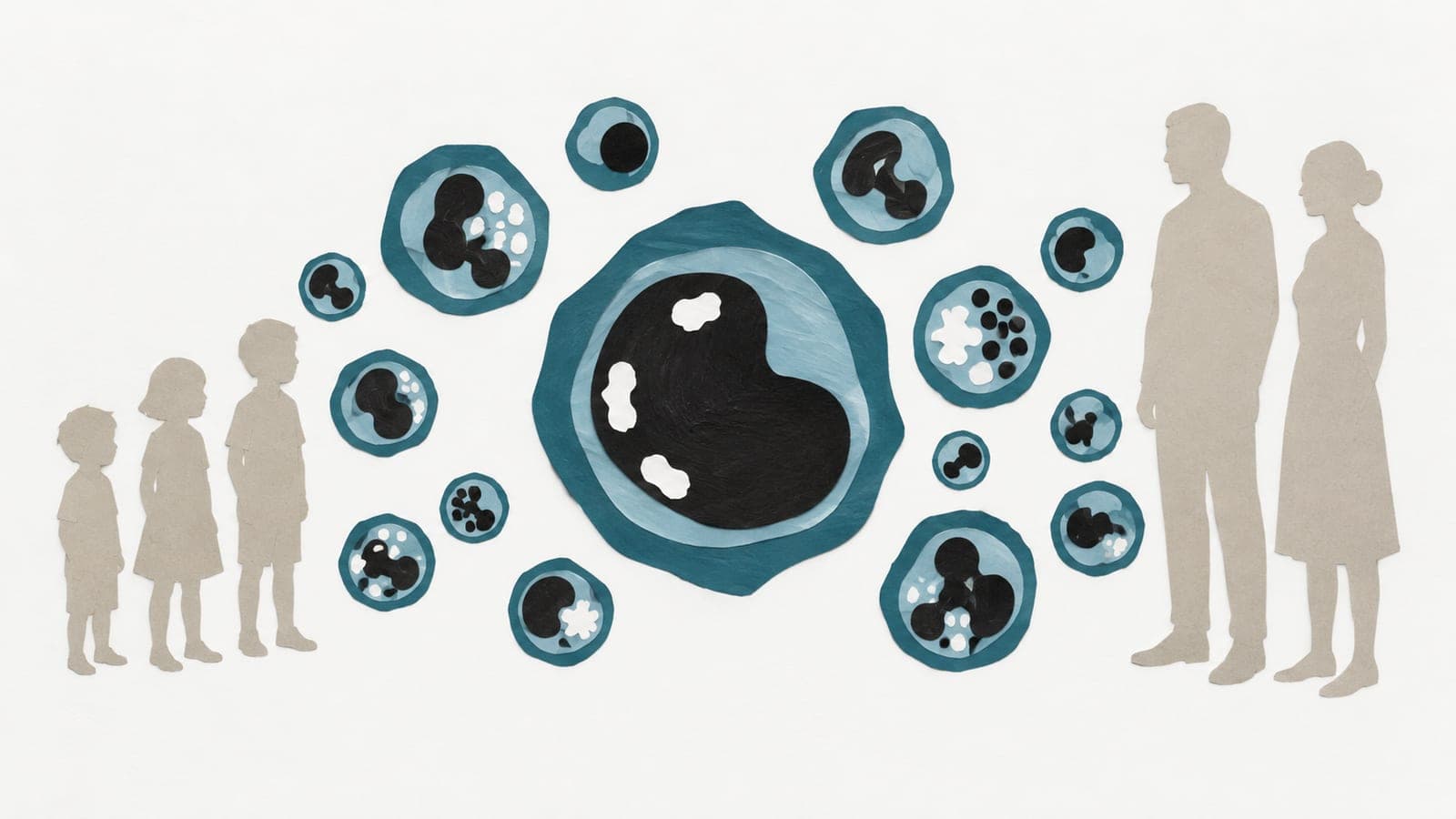
An observational study of healthy volunteers aged 9 months to 65 years found the most pronounced immune-cell shifts at ages 10–19, with different patterns by sex.
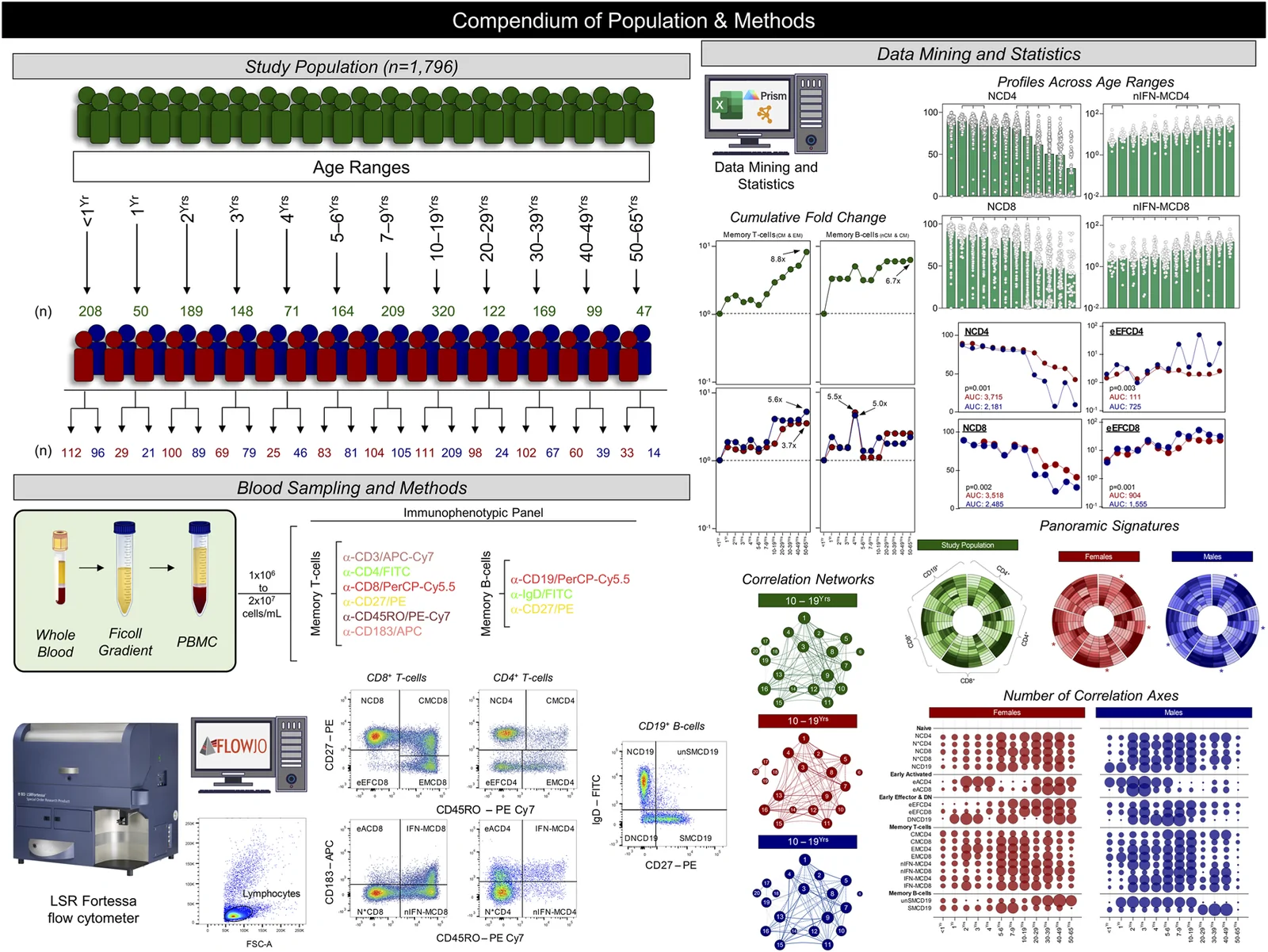
Healthy volunteers of both sexes, aged 9 months to 65 years, took part in an observational study comparing memory T- and B-cells across 12 age groups. These immune cells help the body remember previous encounters.
Age-related shifts were most pronounced at 10–19 years, with other marked shifts at 5–6 and 20–29 years. Women showed changes at earlier ages, while men showed greater variation across age groups in specialised cell subsets. The researchers suggested that cumulative exposure to substances recognised by the immune system, together with hormonal transitions, probably shaped these distinct waves of immune-memory change.
Why it matters
The authors suggested that age-related remodelling of immune memory may influence the immune system’s long-term ability to respond to challenges and susceptibility to chronic inflammatory conditions.
Caveats
The observational comparisons could not establish what caused the age-related patterns. The study covered healthy volunteers no older than 65, so its findings do not describe later old age or people with illness.
- Immune response
- B-cell network connectivity
- Central memory CD4+ T cells
- Early effector CD4+ T-cells
- Early effector CD8+ T-cells
- Humans
The paper
Fundação Oswaldo Cruz
Frontiers in Aging, 30 Sep 2026, Open access