Reactive oxygen-scavenging polydopamine nanoparticle coated 3D nanofibrous scaffolds for improved osteogenesis: Toward an aging in vivo bone regeneration model
Abstract
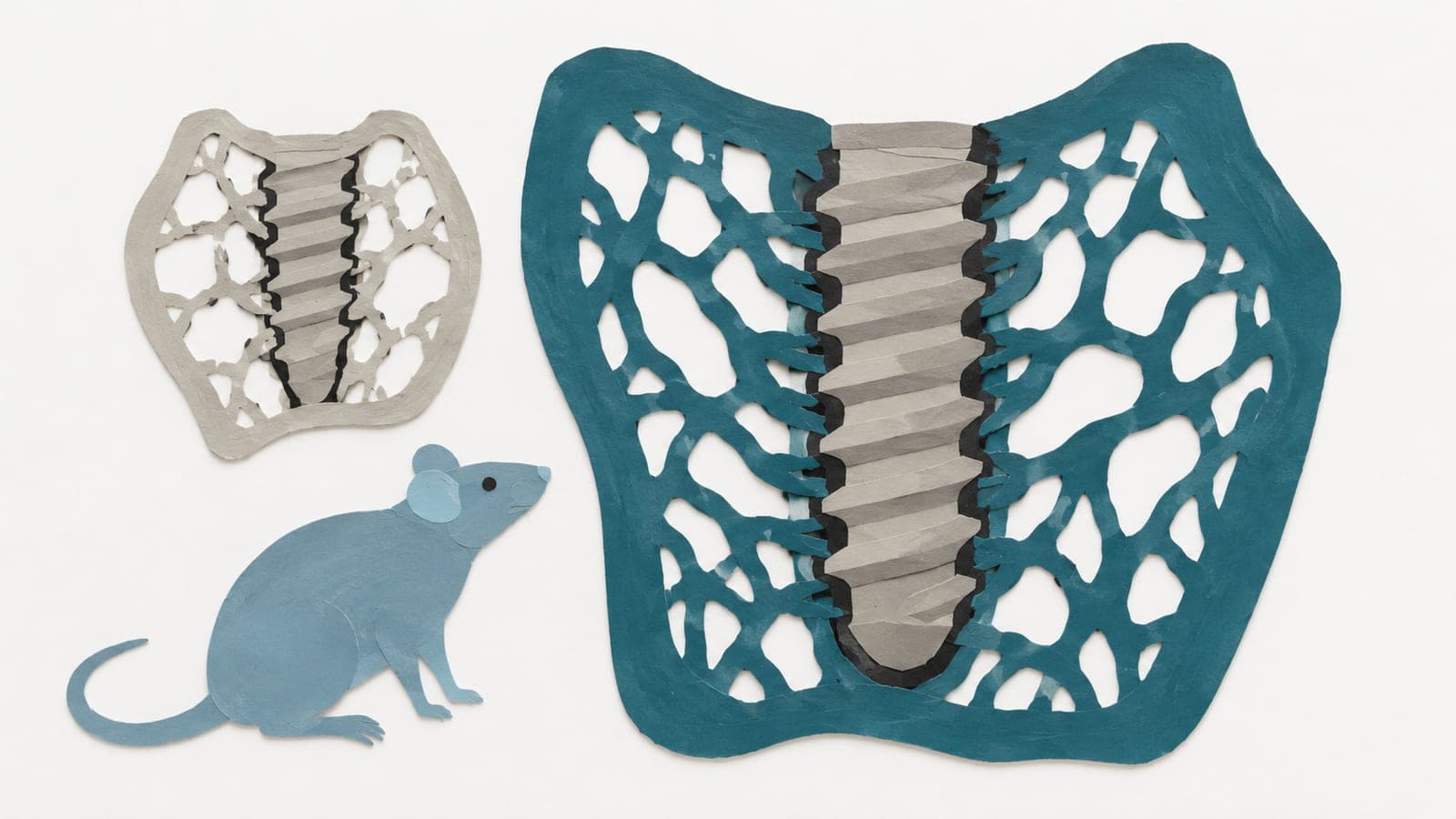
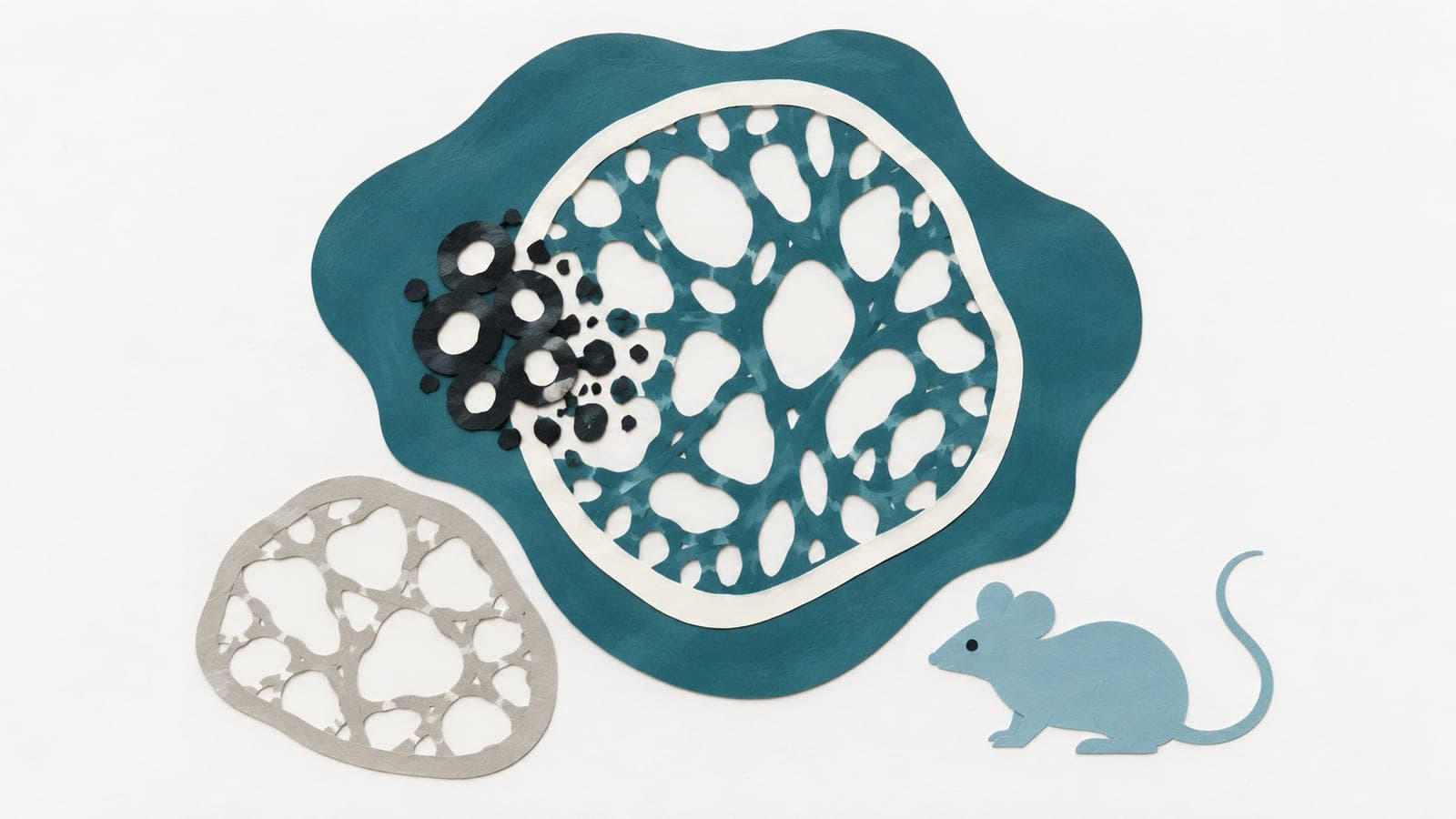
Tissue engineered scaffolds aimed at the repair of critical-sized bone defects lack adequate consideration for our aging society. Establishing an effective aged in vitro model that translates to animals is a significant unmet challenge. The in vivo aged environment is complex and highly nuanced, making it difficult to model in the context of bone repair. In this work, 3D nanofibrous scaffolds generated by the thermally-induced self-agglomeration (TISA) technique were functionalized with polydopamine nanoparticles (PD NPs) as a tool to improve drug binding capacity and scavenge reactive oxygen species (ROS), an excessive build-up that dampens the healing process in aged tissues. PD NPs were reduced by ascorbic acid (rPD) to further improve hydrogen peroxide (H₂O₂) scavenging capabilities, where we hypothesized that these functionalized scaffolds could rescue ROS-affected osteoblastic differentiation in vitro and improve new bone formation in an aged mouse model. rPDs demonstrated improved H₂O₂ scavenging activity compared to neat PD NPs, although both NP groups rescued the alkaline phosphatase activity (ALP) of MC3T3-E1 cells in presence of H₂O₂. Additionally, BMP2-induced osteogenic differentiation, both ALP and mineralization, was significantly improved in the presence of PD or rPD NPs on TISA scaffolds. While in vitro data showed favorable results aimed at improving osteogenic differentiation by PD or rPD NPs, in vivo studies did not note similar improvements in ectopic bone formation an aged model, suggesting that further nuance in material design is required to effectively translate to improved in vivo results in aged animal models.
The paper
Boston University; University of Iowa
Journal of Biomedical Materials Research Part B, Applied Biomaterials, Jul 20, 2024, Open access