The senescence-associated secretory phenotype and its physiological and pathological implications
Abstract
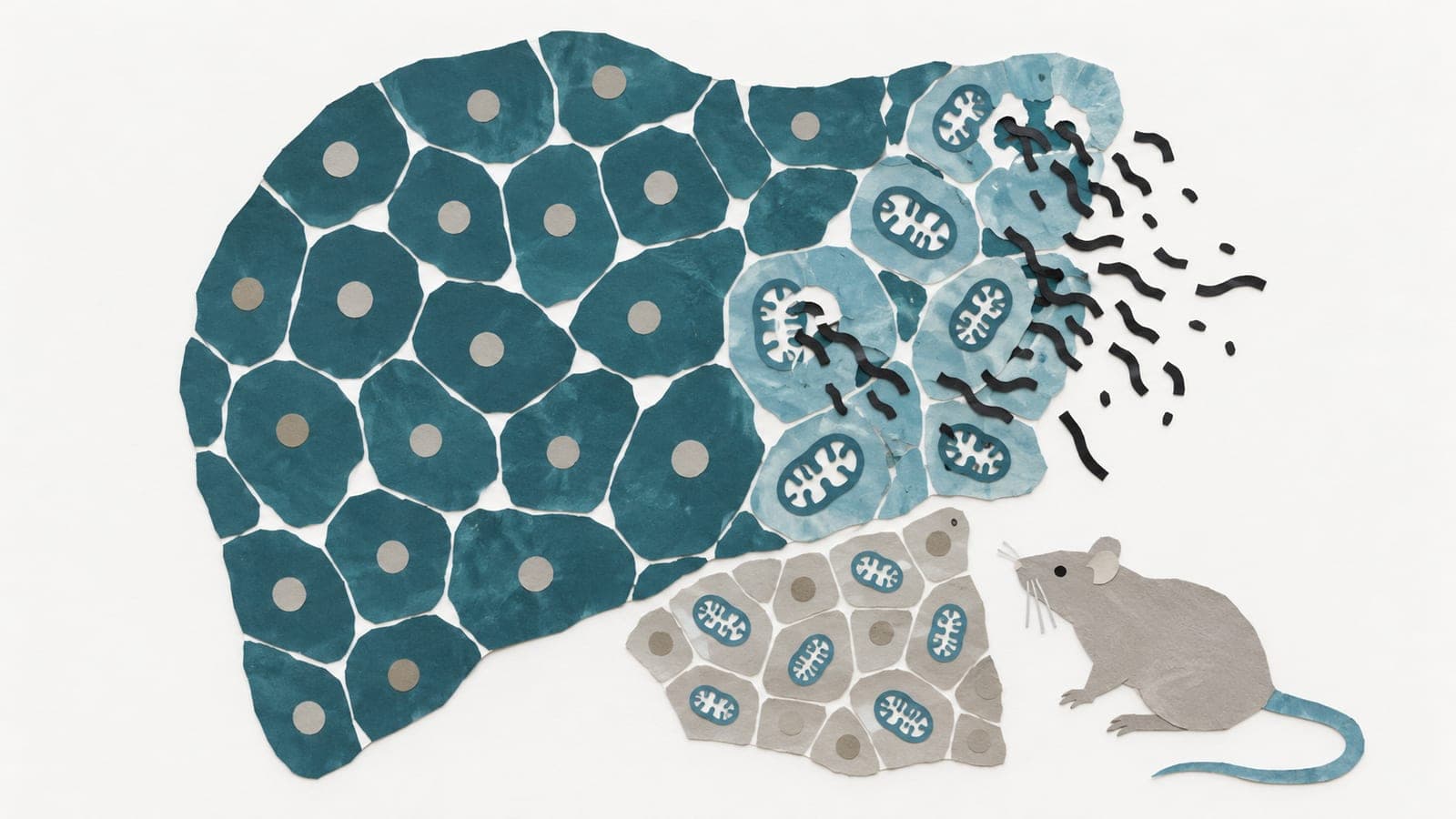
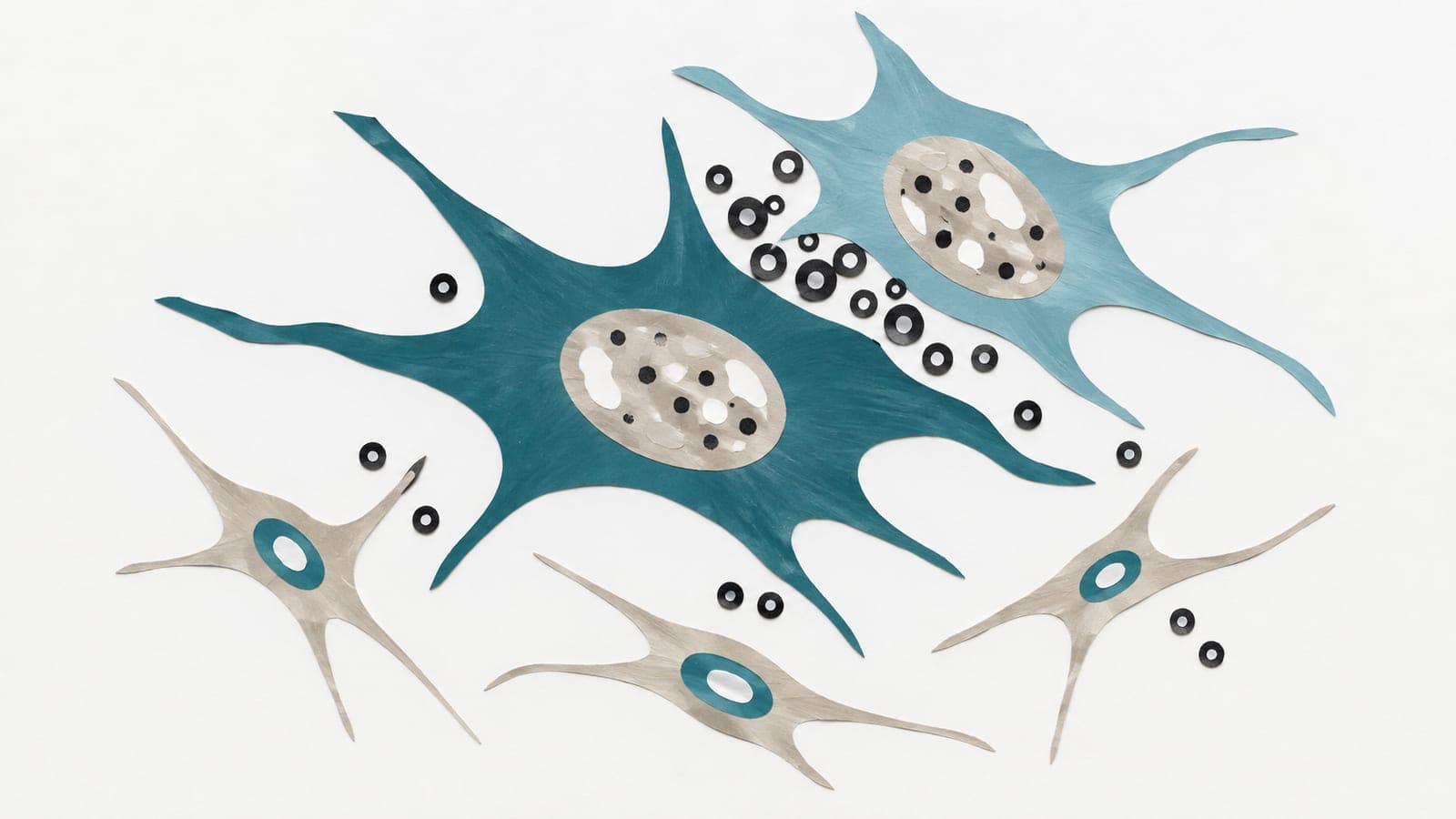
Cellular senescence is a state of terminal growth arrest associated with the upregulation of different cell cycle inhibitors, mainly p16 and p21, structural and metabolic alterations, chronic DNA damage responses, and a hypersecretory state known as the senescence-associated secretory phenotype (SASP). The SASP is the major mediator of the paracrine effects of senescent cells in their tissue microenvironment and of various local and systemic biological functions. In this Review, we discuss the composition, dynamics and heterogeneity of the SASP as well as the mechanisms underlying its induction and regulation. We describe the various biological properties of the SASP, its beneficial and detrimental effects in different physiological and pathological settings, and its impact on overall health span. Finally, we discuss the use of the SASP as a biomarker and of SASP inhibitors as senomorphic interventions to treat cancer and other age-related conditions.
- Senomorphics
- Cell cycle regulation
- Cellular senescence
- DNA damage response
- Senescence-associated secretory phenotype
- Cancer
The paper
University Medical Center Groningen
Nature Reviews Molecular Cell Biology, 23 Apr 2024