New protein form pushed lab-grown cells to stop dividing
Cell experiments identified a previously unknown protein form that responded to DNA damage and triggered senescence, a state in which cells stop dividing.
Cell Death Discovery
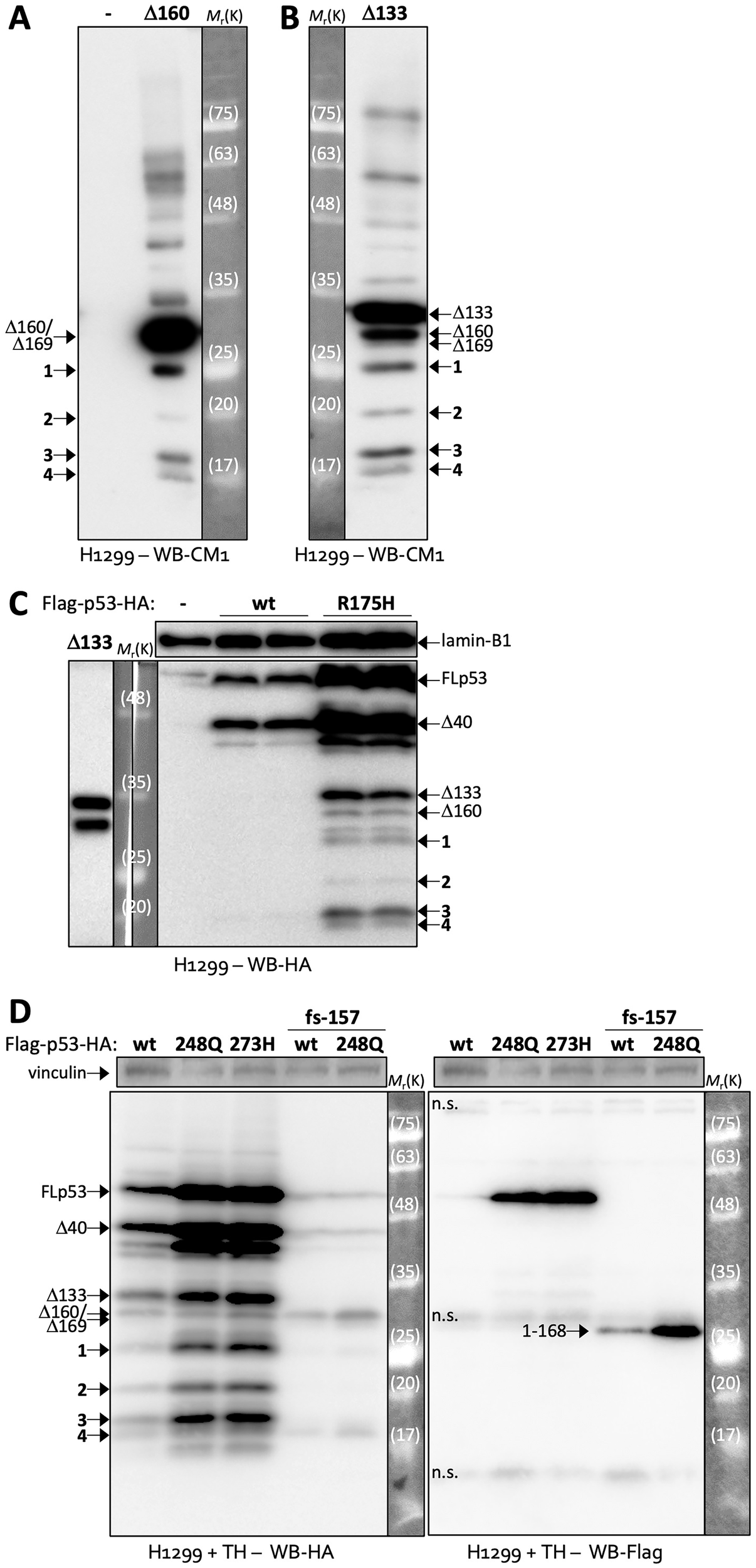
In experiments in cells, researchers identified a previously unknown form of p53, a protein that helps regulate whether cells grow or stop dividing. They named it Δ246p53. They used mutations, antibodies and molecules that reduced its production to confirm its origin and presence in cells.
DNA damage induced the new protein form. It triggered senescence, a state in which cells stop dividing, and impaired tumour formation or growth in tests of cell colony formation. It also interacted with full-length p53 and a related protein to regulate p21, a protein that halts cell division. These interactions had opposing effects on the activity of the p21 gene.
Why it matters
The researchers suggested that further studies of this regulator of cell senescence may help scientists better understand and control tumour suppression and aging.
Caveats
The findings came from cell experiments, not studies in animals or people. The tumour-related results came from cell colony formation tests.
The paper
New Δ246p53 isoform responds to DNA damage to enhance p53 family functions in cellular senescence
Parkar SN, Ramalho AC, López-Iniesta MJ et al.
Cell Death Discovery · 7 Oct 2026 · CC BY