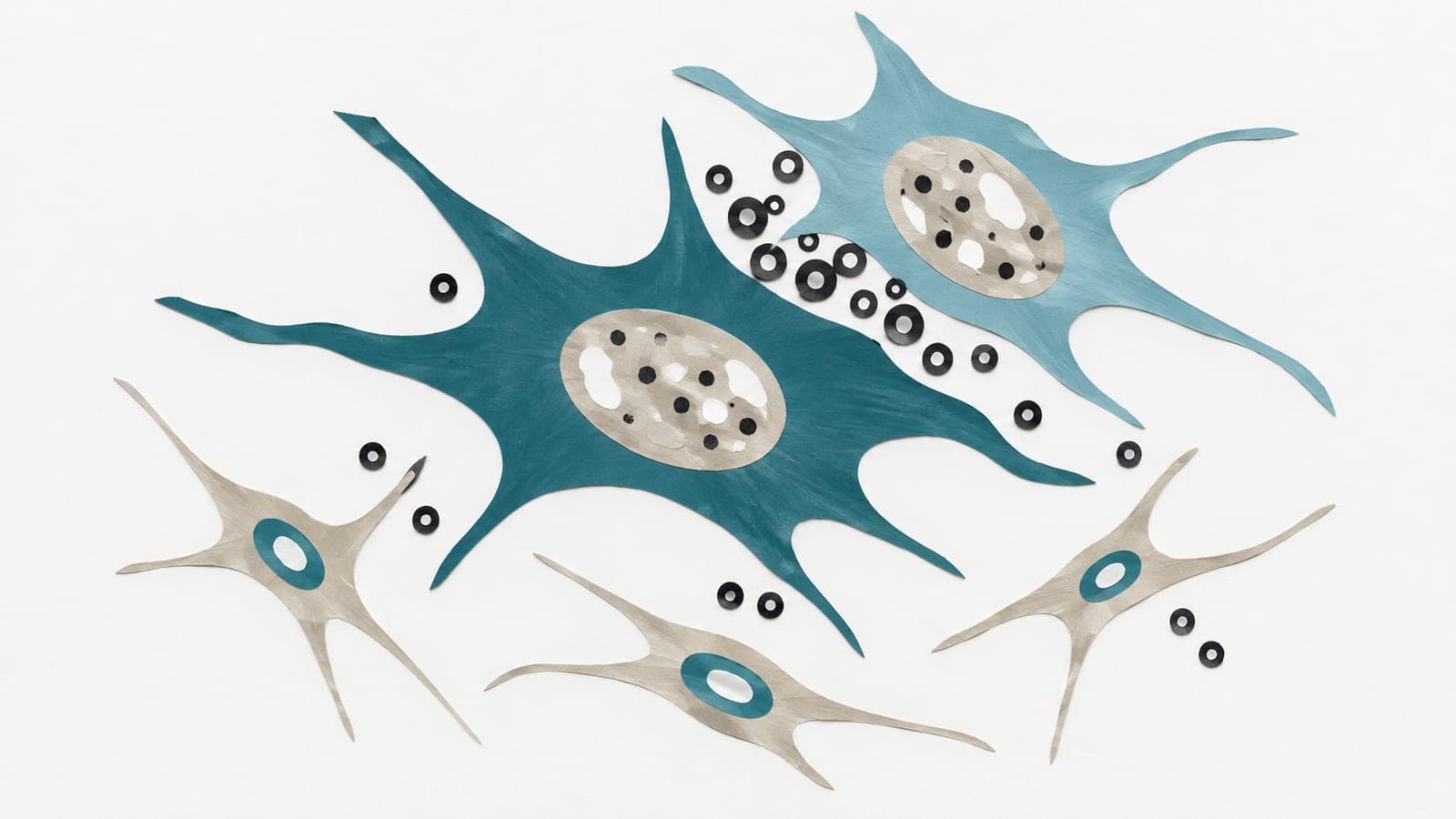
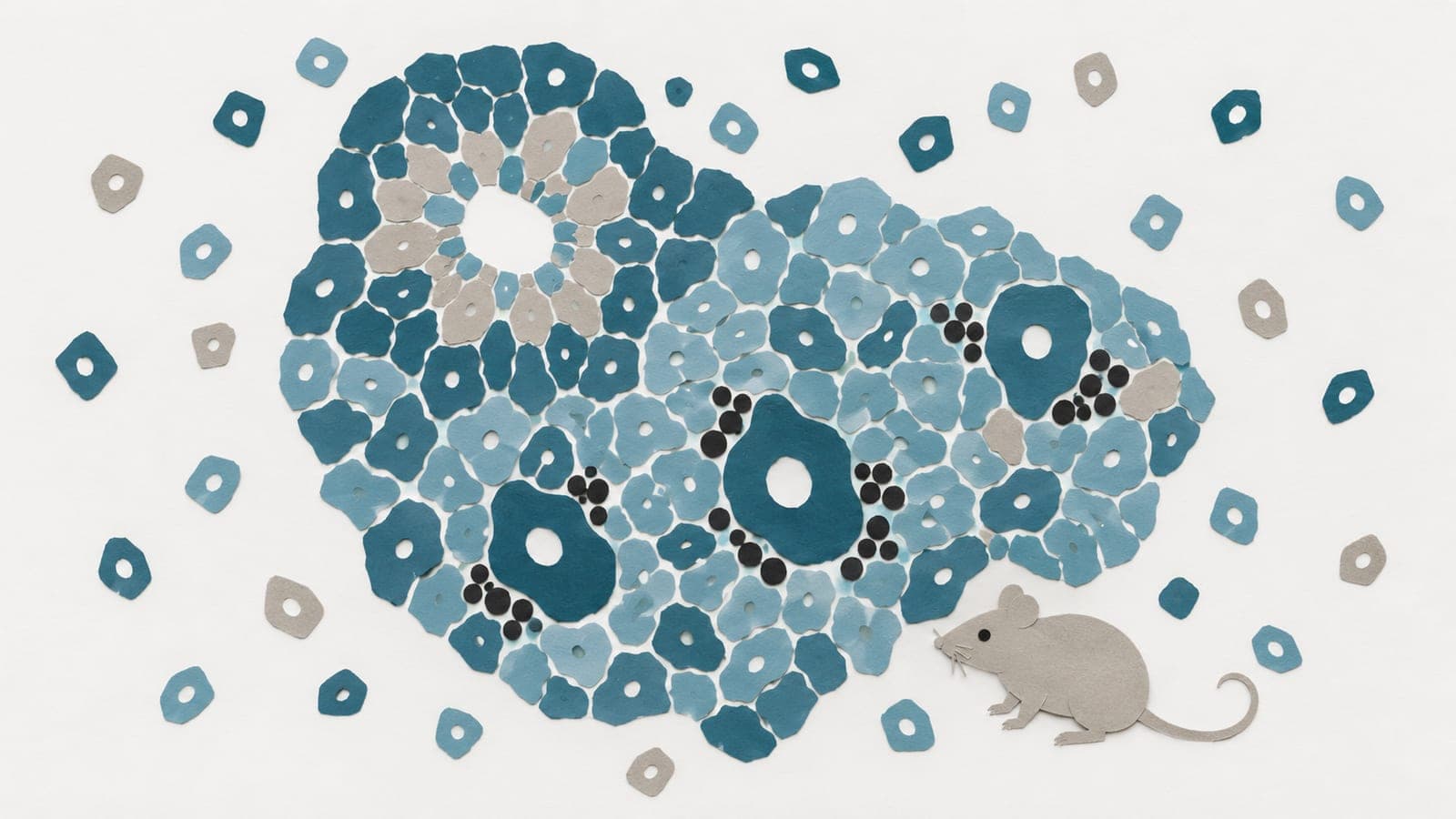
Single-cell analysis reveals the transcriptional alterations in the submandibular glands of aged mice
Abstract
OBJECTIVES: Aging-related salivary gland changes, such as lymphocyte infiltration and acinar cell loss decrease saliva secretion, thereby affecting quality of life. The precise molecular mechanisms underlying these changes remain unclear. METHODS: We here performed single-cell RNA sequencing to clarify gene expression changes in each cell type comprising the submandibular glands (SMGs) of adult and aged mice. RESULTS: The proportion of acinar cells decreased in various epithelial clusters annotated with cell type-specific marker genes. Expression levels of the cellular senescence markers, Cdkn2a/p16 and Cdkn1a/p21, were increased in the basal and striated ducts of aged SMGs relative to their levels in those of adult SMGs. In contrast, senescence-associated secretory phenotype-related genes, except transforming growth factor-β, exhibited little change in expression in aged SMGs relative to adult SMGs. CONCLUSIONS: Gene Ontology analysis revealed increased expression levels of genes encoding major histocompatibility complex (MHC) class I components in the ductal component cells of aged SMGs. MHC class I expression may thus be associated with salivary gland aging.
- Cellular senescence
- Immune response
- Senescence-associated secretory phenotype (SASP)
- Acinar cell count
- Cdkn1a/p21
- Mice
The paper
SHOWA Medical University
Journal of Oral Biosciences, Dec 23, 2023