MCUb is an inducible regulator of calcium-dependent mitochondrial metabolism and substrate utilization in muscle
Abstract
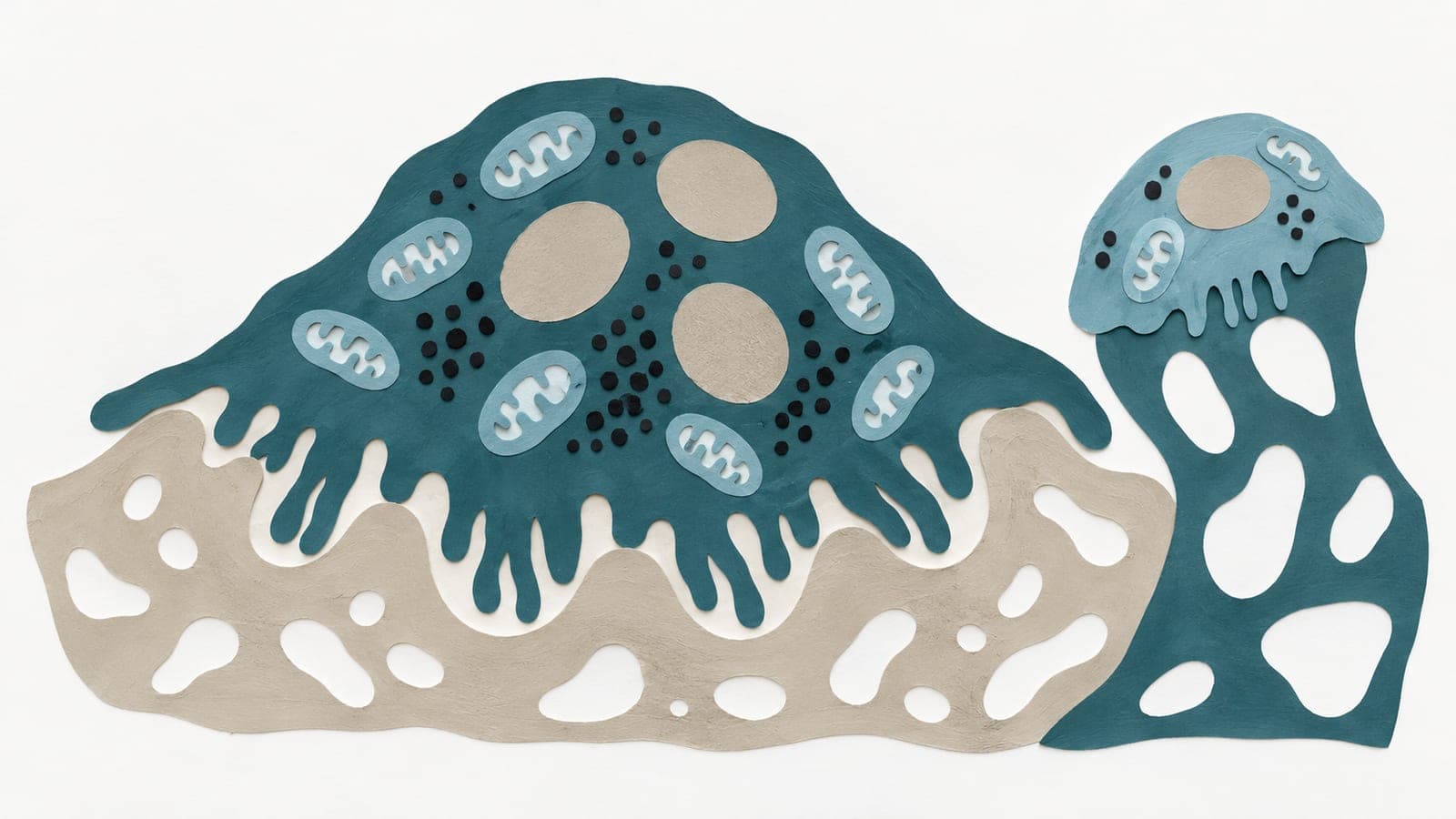
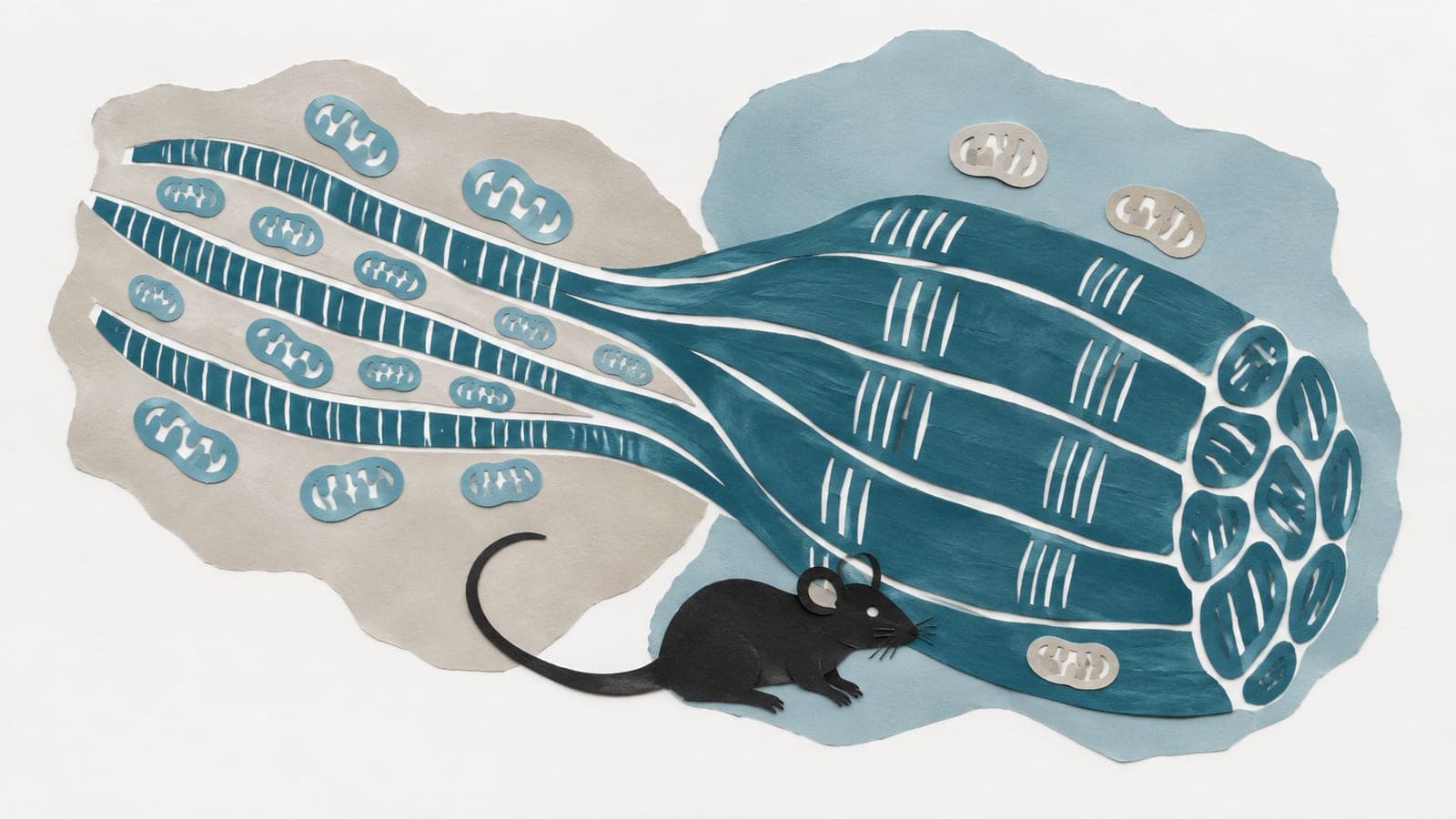
Mitochondria use the electron transport chain to generate high-energy phosphate from oxidative phosphorylation, a process also regulated by the mitochondrial Ca²⁺ uniporter (MCU) and Ca²⁺ levels. Here, we show that MCUb, an inhibitor of MCU-mediated Ca²⁺ influx, is induced by caloric restriction, where it increases mitochondrial fatty acid utilization. To mimic the fasted state with reduced mitochondrial Ca²⁺ influx, we generated genetically altered mice with skeletal muscle-specific MCUb expression that showed greater fatty acid usage, less fat accumulation, and lower body weight. In contrast, mice lacking Mcub in skeletal muscle showed increased pyruvate dehydrogenase activity, increased muscle malonyl coenzyme A (CoA), reduced fatty acid utilization, glucose intolerance, and increased adiposity. Mechanistically, pyruvate dehydrogenase kinase 4 (PDK4) overexpression in muscle of Mcub-deleted mice abolished altered substrate preference. Thus, MCUb is an inducible control point in regulating skeletal muscle mitochondrial Ca²⁺ levels and substrate utilization that impacts total metabolic balance.
The paper
Cincinnati Children's Hospital Medical Center
Cell Reports, 16 Nov 2023, Open access