Hydrogen sulfide inhibits the rupture of fetal membranes throngh anti-aging pathways
Abstract
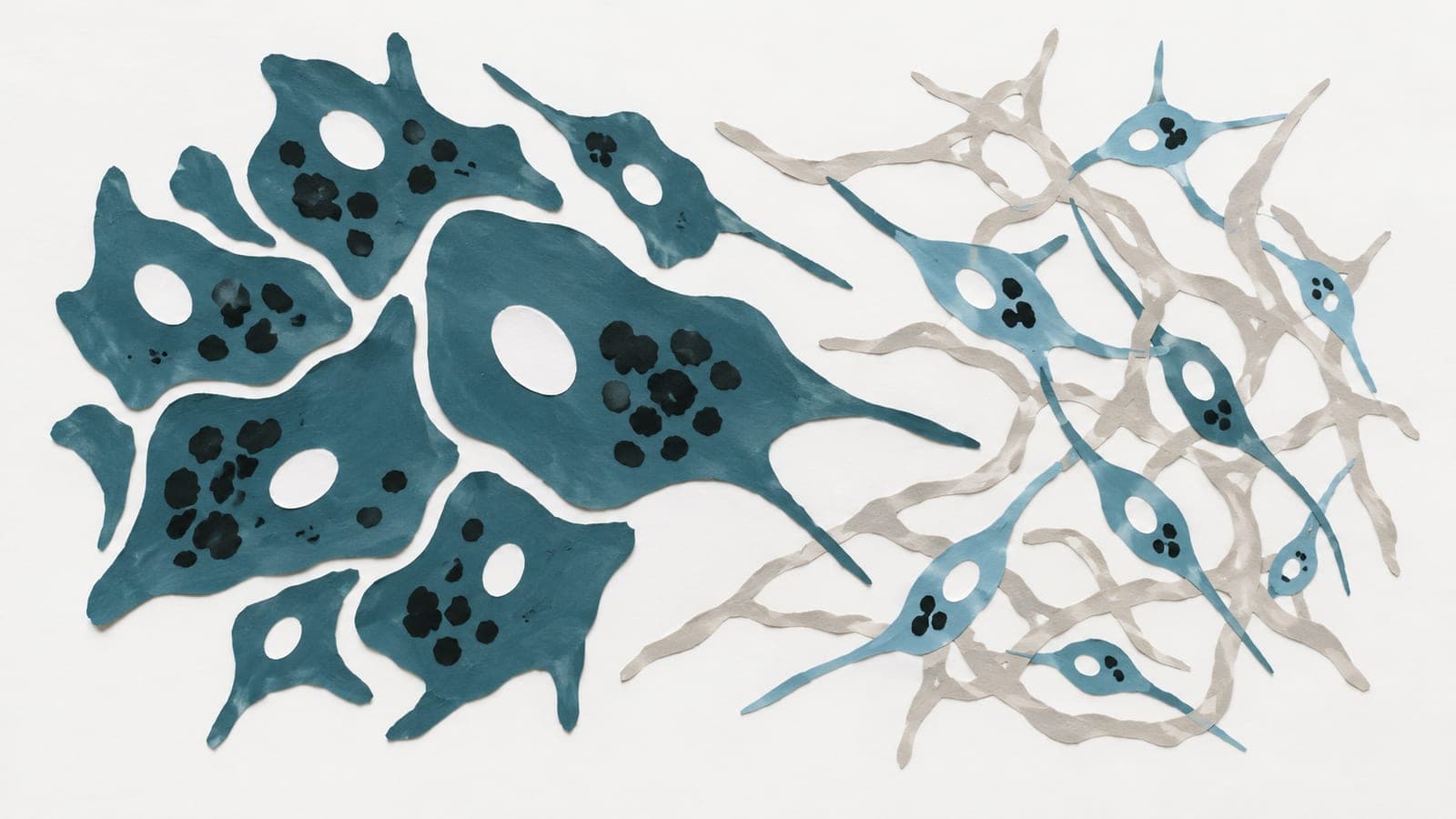
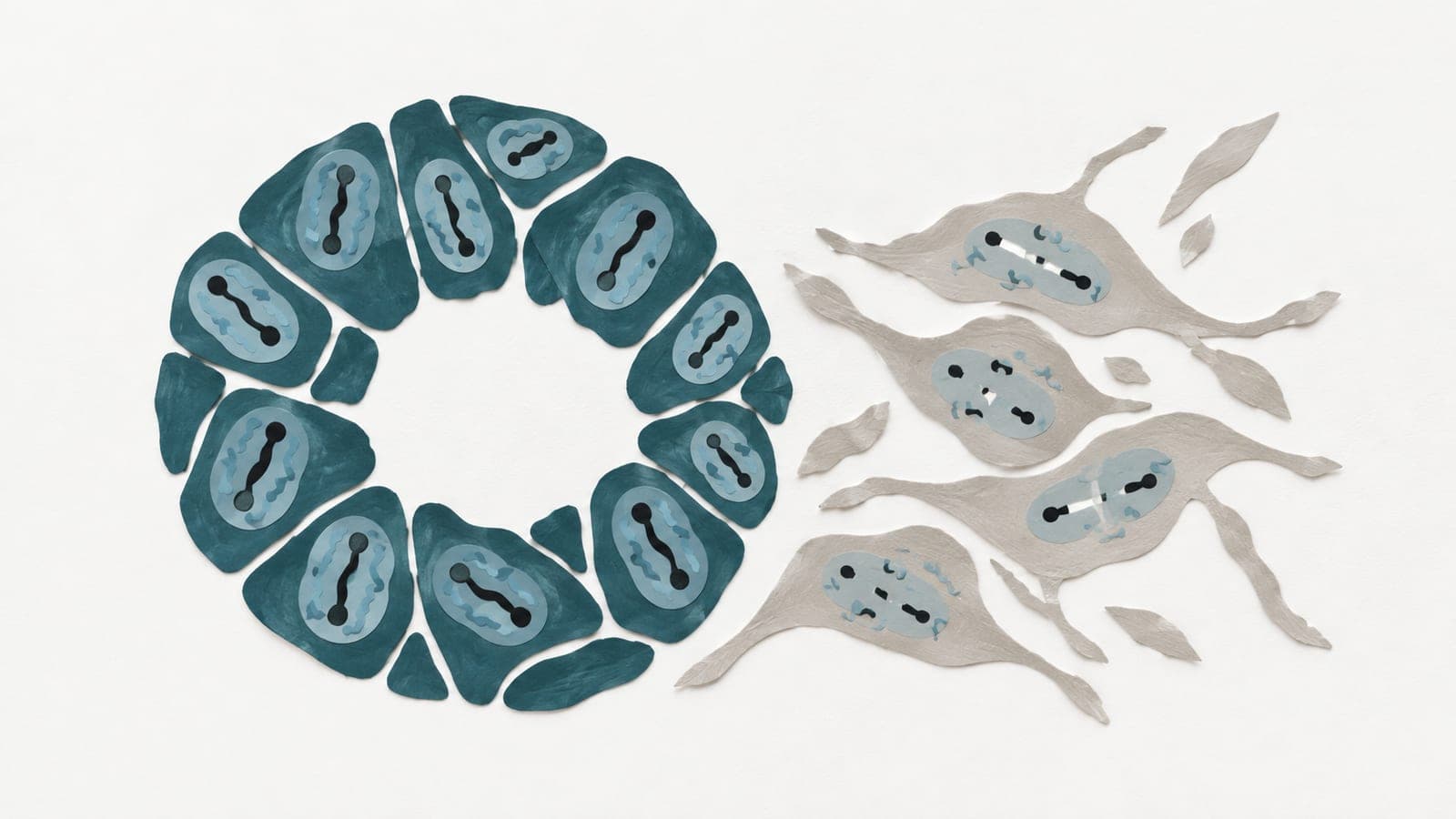
INTRODUCTION: To investigate the relationship between hydrogen sulfide(H₂S) and the senescence level of the fetal membranes, and to elucidate how H₂S affects the integrity of the fetal membranes. METHODS: The H₂S and the senescence levels of fetal membranes, and the expressions of H₂S synthase CBS and CSE were detected in the preterm (PT) group and the preterm premature ruptured membranes (pPROM) group. The effects of H₂S donors and knockdown of CBS on the senescence level of amniotic epithelial cells, and the expression level of matrix metalloproteinases (MMPs) and epithelial-mesenchymal translation (EMT) were observed. RESULTS: The level of H₂S in the fetal membranes in the pPROM group is significantly lower than that in the PT group matched for gestational age. The level of H₂S is negatively correlated with the senescence level of fetal membranes. Treatment with H₂S donors reduced cell senescence and MMPs expression, but did not affect EMT. CBS siRNA transfection accelerated the senescence of amniotic epithelial cells, and promoted the expression of MMPs and EMT occurrence, but l-cysteine could reverse these effects. DISCUSSION: Our study suggests that H₂S, through its anti-aging effect, can influence the expression of MMPs and EMT, thereby contributing to the maintenance of fetal membrane integrity.
The paper
The Affiliated Yongchuan Hospital of Chongqing Medical University
Placenta, 12 Sep 2023