Distinct longevity mechanisms across and within species and their association with aging
Abstract
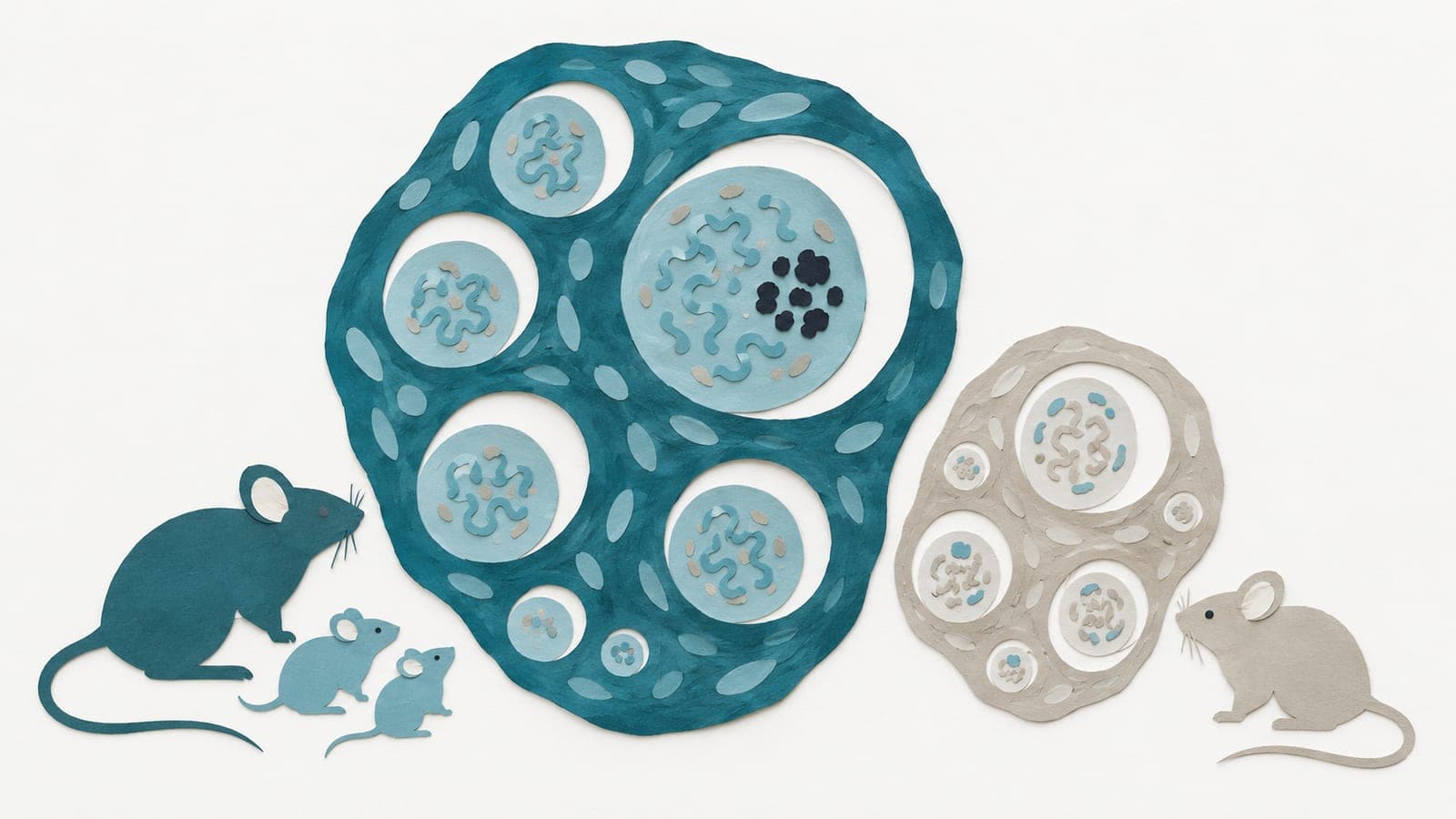
Lifespan varies within and across species, but the general principles of its control remain unclear. Here, we conducted multi-tissue RNA-seq analyses across 41 mammalian species, identifying longevity signatures and examining their relationship with transcriptomic biomarkers of aging and established lifespan-extending interventions. An integrative analysis uncovered shared longevity mechanisms within and across species, including downregulated Igf1 and upregulated mitochondrial translation genes, and unique features, such as distinct regulation of the innate immune response and cellular respiration. Signatures of long-lived species were positively correlated with age-related changes and enriched for evolutionarily ancient essential genes, involved in proteolysis and PI3K-Akt signaling. Conversely, lifespan-extending interventions counteracted aging patterns and affected younger, mutable genes enriched for energy metabolism. The identified biomarkers revealed longevity interventions, including KU0063794, which extended mouse lifespan and healthspan. Overall, this study uncovers universal and distinct strategies of lifespan regulation within and across species and provides tools for discovering longevity interventions.
From the paper
- Limitation
Some variation in biological age between examined species may be present due to unknown precise age and exact health status of young adult animals collected in the wild.
Quoted word for word from the full text on PubMed Central.
The paper
Brigham and Women's Hospital; Broad Institute
Cell, 3 Jun 2023, Open access