Lonafarnib improves cardiovascular function and survival in a mouse model of Hutchinson-Gilford progeria syndrome
Abstract
Clinical trials have demonstrated that lonafarnib, a farnesyltransferase inhibitor, extends the lifespan in patients afflicted by Hutchinson-Gilford progeria syndrome, a devastating condition that accelerates many characteristics of aging and results in premature death due to cardiovascular sequelae. The US Food and Drug Administration approved Zokinvy (lonafarnib) in November 2020 for treating these patients, yet a detailed examination of drug-associated effects on cardiovascular structure, properties, and function has remained wanting. In this paper, we report encouraging outcomes of daily post-weaning treatment with lonafarnib on the composition and biomechanical phenotype of elastic and muscular arteries as well as associated cardiac function in a well-accepted mouse model of progeria that exhibits severe perimorbid cardiovascular disease. Lonafarnib resulted in 100% survival of the treated progeria mice to the study end-point (time of 50% survival of untreated mice), with associated improvements in arterial structure and function working together to significantly reduce pulse wave velocity and improve left ventricular diastolic function. By contrast, neither treatment with the mTOR inhibitor rapamycin alone nor dual treatment with lonafarnib plus rapamycin improved outcomes over that achieved with lonafarnib monotherapy.
From the paper
- Animals
A total of 26 mixed-sex wild-type mice and 68 progeria mice were scheduled for study at P168, noting that we previously found that cardiovascular effects of progeria were statistically independent of sex at least up to P140.
- Events by group
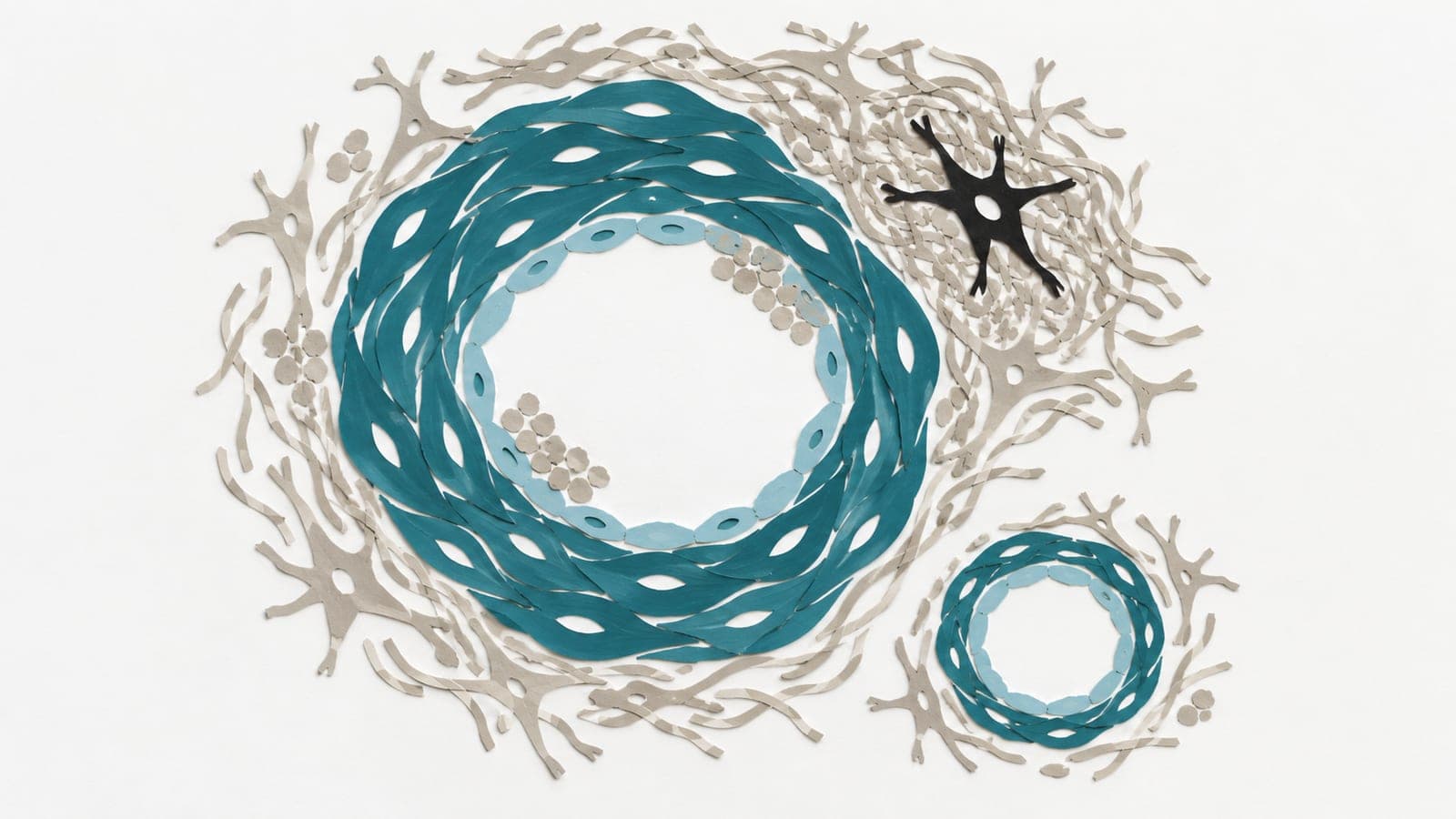
… histology revealed a slight improvement in smooth muscle area fraction (a 67% rather than 79% reduction), a near preservation of medial collagen (within 4% of wild-type), a significantly lower accumulation of mural proteoglycans (3.0 fold rather than 3.9 fold greater than wild-type) in progeria …
Results, Lonafarnib improves aortic composition and properties, but not vasoactive function
Quoted word for word from the full text on PubMed Central.