Dynamic chromatin accessibility tuning by the long noncoding RNA ELDR accelerates chondrocyte senescence and osteoarthritis
By Ji ML, Li Z, Hu XY et al.
Abstract
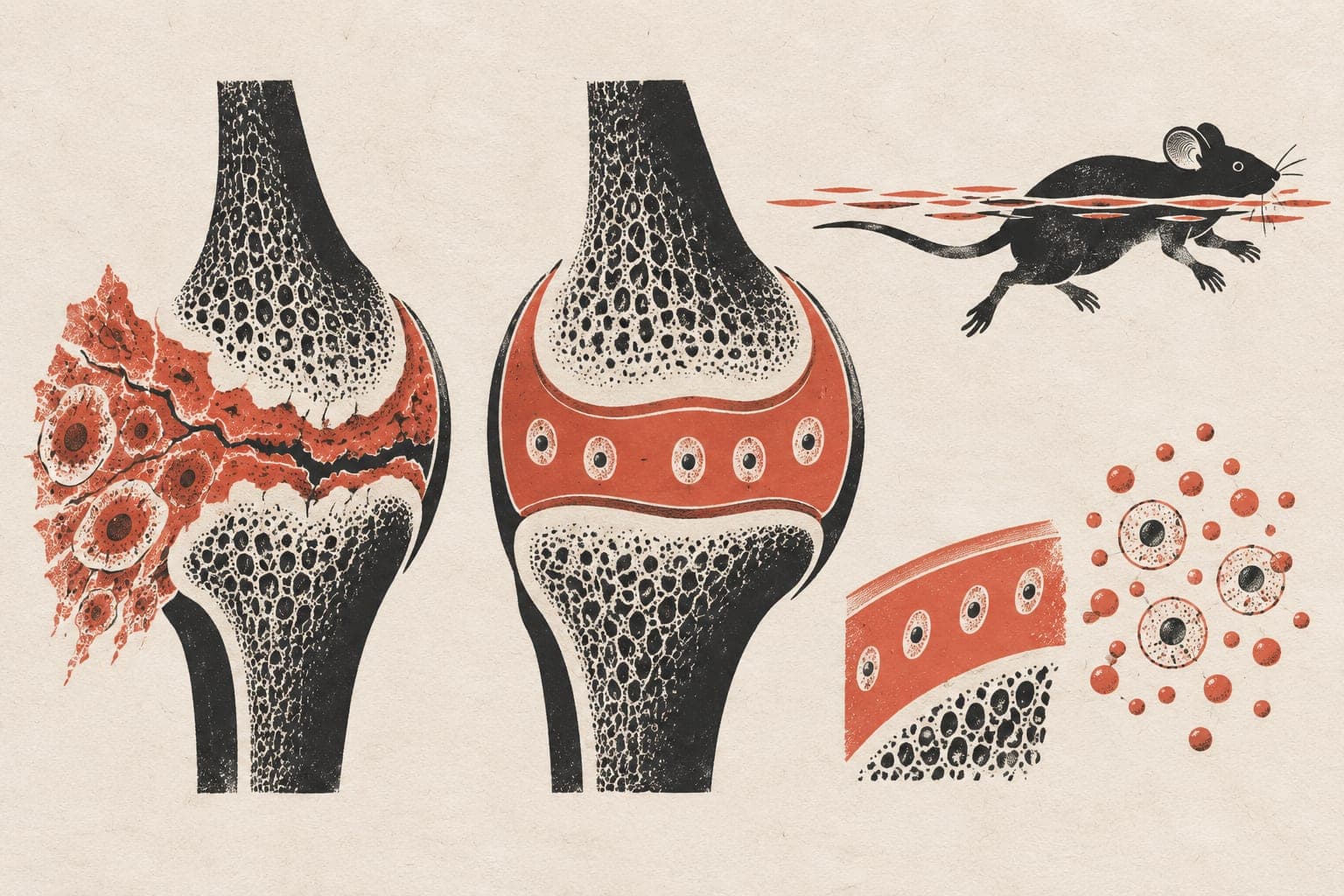
Epigenetic reprogramming plays a critical role in chondrocyte senescence during osteoarthritis (OA) pathology, but the underlying molecular mechanisms remain to be elucidated. Here, using large-scale individual datasets and genetically engineered (Col2a1-CreERT2;Eldrflox/flox and Col2a1-CreERT2;ROSA26-LSL-Eldr+/+ knockin) mouse models, we show that a novel transcript of long noncoding RNA ELDR is essential for the development of chondrocyte senescence. ELDR is highly expressed in chondrocytes and cartilage tissues of OA. Mechanistically, exon 4 of ELDR physically mediates a complex consisting of hnRNPL and KAT6A to regulate histone modifications of the promoter region of IHH, thereby activating hedgehog signaling and promoting chondrocyte senescence. Therapeutically, GapmeR-mediated silencing of ELDR in the OA model substantially attenuates chondrocyte senescence and cartilage degradation. Clinically, ELDR knockdown in cartilage explants from OA-affected individuals decreased the expression of senescence markers and catabolic mediators. Taken together, these findings uncover an lncRNA-dependent epigenetic driver in chondrocyte senescence, highlighting that ELDR could be a promising therapeutic avenue for OA.
The paper
Ji ML, Li Z, Hu XY et al.
American Journal of Human Genetics, 2 Mar 2023