Gene therapy conversion of striatal astrocytes into GABAergic neurons in mouse models of Huntington's disease
Abstract
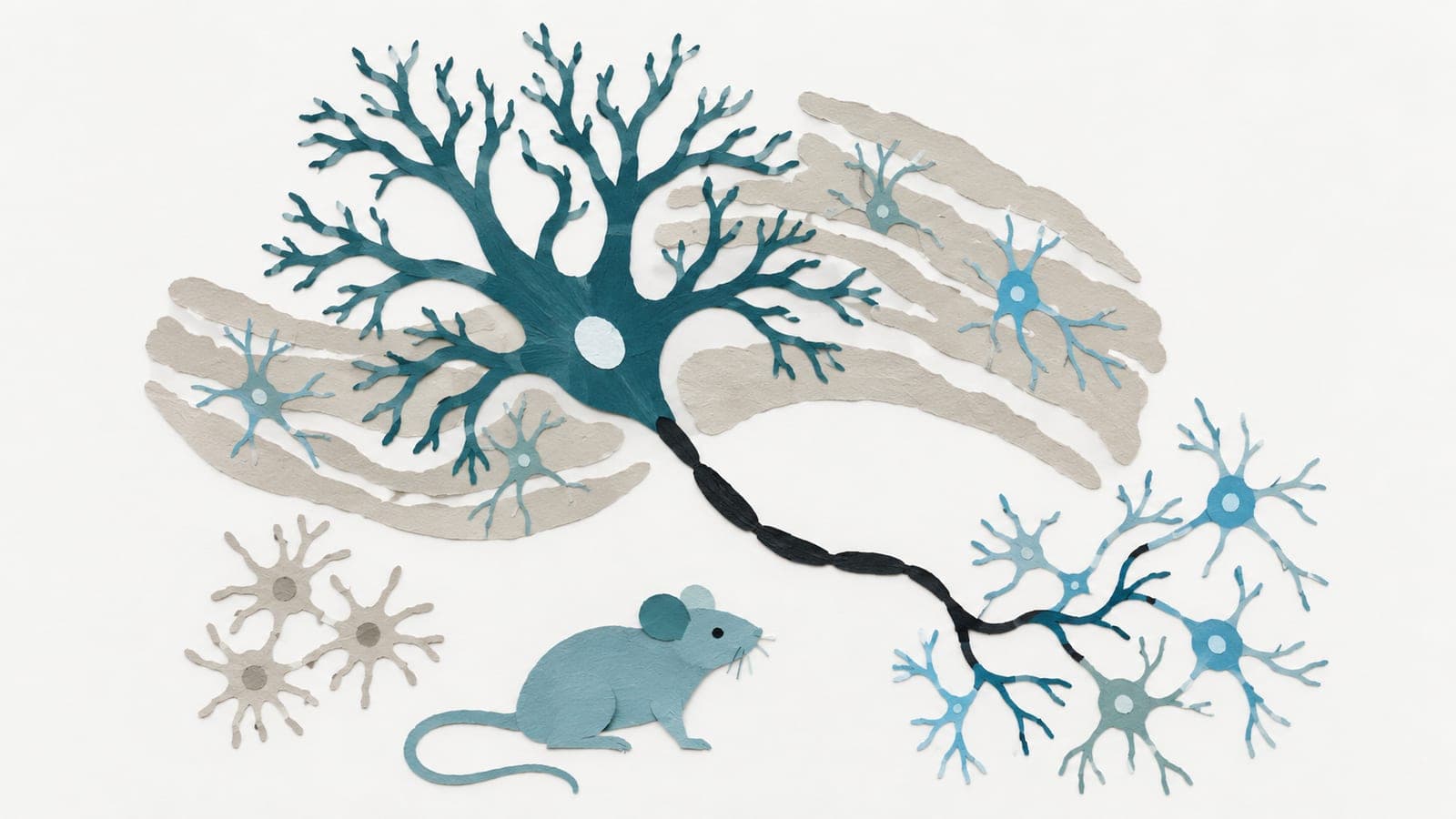
Huntington's disease (HD) is caused by Huntingtin (Htt) gene mutation resulting in the loss of striatal GABAergic neurons and motor functional deficits. We report here an in vivo cell conversion technology to reprogram striatal astrocytes into GABAergic neurons in both R6/2 and YAC128 HD mouse models through AAV-mediated ectopic expression of NeuroD1 and Dlx2 transcription factors. We found that the astrocyte-to-neuron (AtN) conversion rate reached 80% in the striatum and >50% of the converted neurons were DARPP32⁺ medium spiny neurons. The striatal astrocyte-converted neurons showed action potentials and synaptic events, and projected their axons to the targeted globus pallidus and substantia nigra in a time-dependent manner. Behavioral analyses found that NeuroD1 and Dlx2-treated R6/2 mice showed a significant extension of life span and improvement of motor functions. This study demonstrates that in vivo AtN conversion may be a disease-modifying gene therapy to treat HD and other neurodegenerative disorders.
From the paper
- Animals
… when the survival rate of R6/2 mice was analyzed at 38 dpi (viral injection at 2 months old), 93.9% of the R6/2 mice that were injected with NeuroD1 plus Dlx2 were still alive, but only 55.2% of the R6/2 mice that received control AAV2/5 mCherry injection were alive …
Results, Attenuation of phenotypic deficits in R6/2 mice by in vivo cell conversion
- Events by group
Quantified data showed that in the control group, 86.7% (n = 6 mice) of mCherry⁺ cells were labeled by S100β, and only 9.2% of cells (n = 6 mice) were labeled by NeuN (Fig., cyan bar).
Results, Converting striatal astrocytes into GABAergic neurons in the R6/2 mouse model
Quoted word for word from the full text on PubMed Central.
The paper
Pennsylvania State University
Nature Communications, 27 Feb 2020, Open access