A protein speeds stem cell reprogramming in human cells
Increasing the RNA-modifying protein PUS7 improved the efficiency and speed of turning human body cells into induced pluripotent stem cells in laboratory experiments.
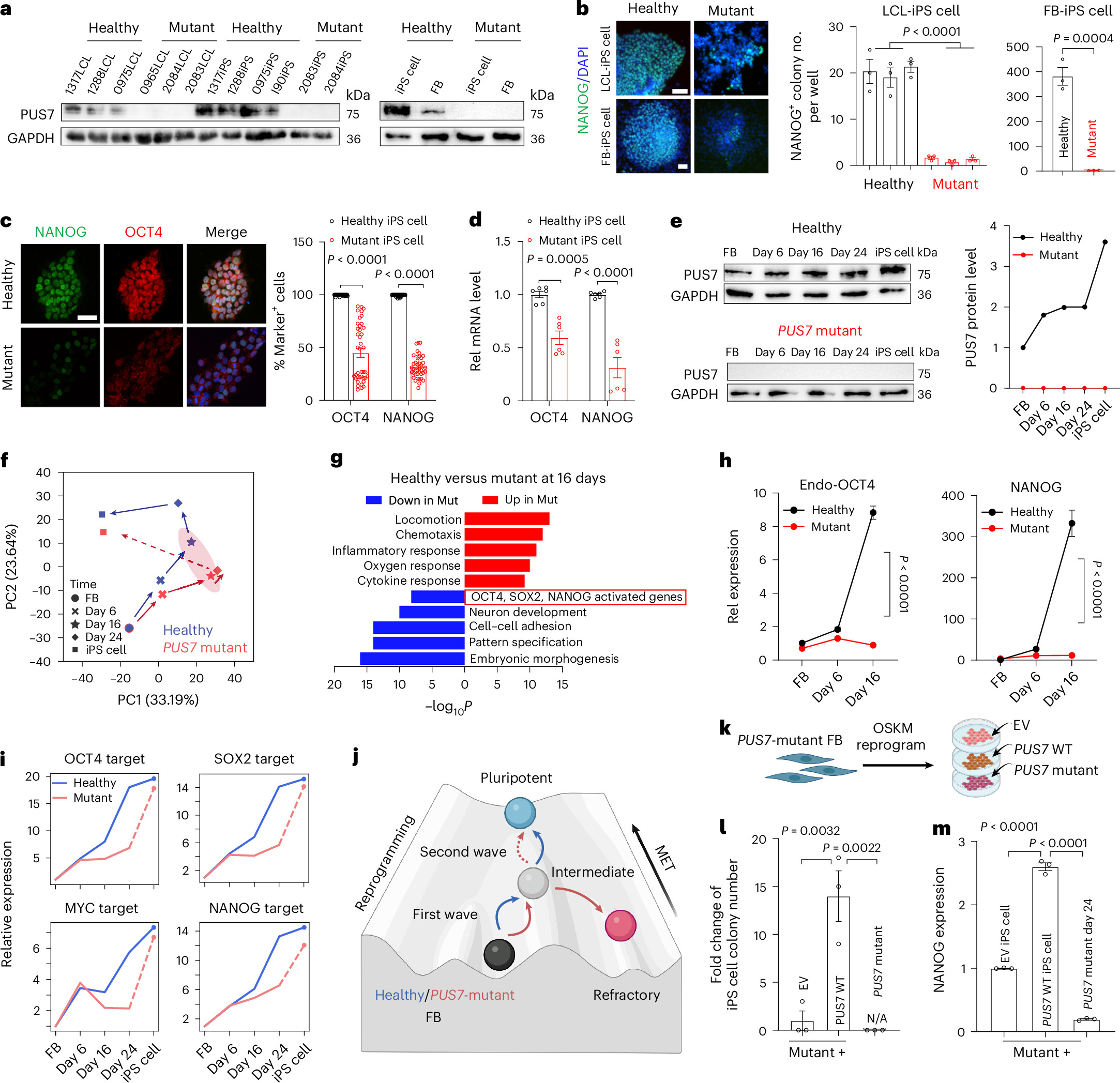
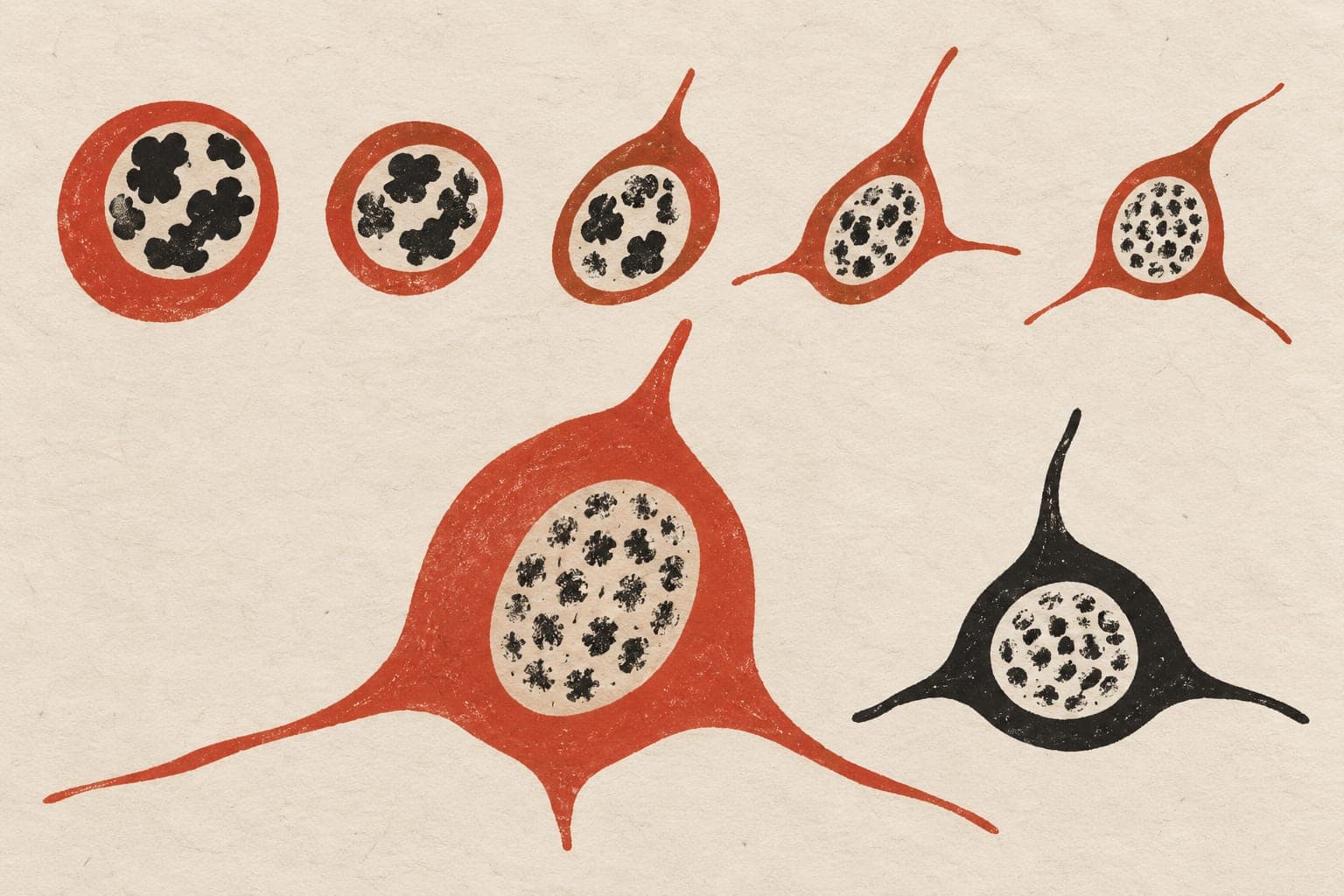
In experiments with human somatic cells, or body cells, researchers identified PUS7, an RNA-modifying protein, as a regulator of reprogramming. This process turns body cells into induced pluripotent stem cells, which can develop into many different cell types. Losing PUS7 markedly impaired reprogramming. Increasing it improved reprogramming efficiency and speed.
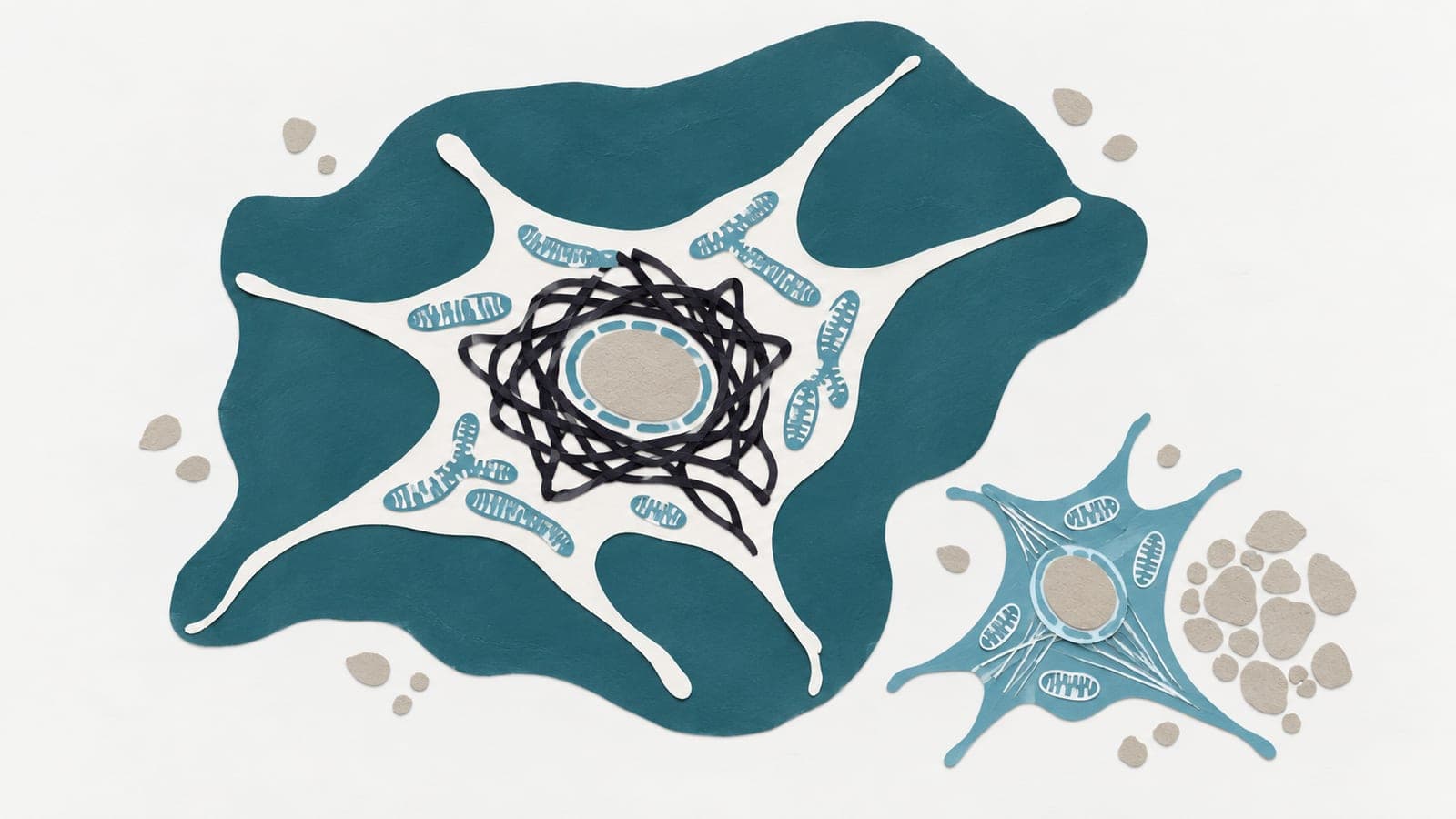
PUS7 chemically modified 7SK, an RNA associated with chromatin, the material that packages DNA. This strengthened its interaction with a protein complex that remodels that packaging. Losing the modification weakened this interaction, reduced how much of the complex was bound to chromatin and made chromatin less accessible. A reprogramming method using PUS7 also generated stem cells that efficiently developed towards nervous-system and blood cell types.
Why it matters
Regenerative medicine seeks ways to restore damaged tissues, including those affected by age-related decline. This work addresses how to generate versatile human stem cells for that research.
Caveats
The findings came from laboratory cell experiments, not studies in people. The abstract reports no tests of aging outcomes or clinical use.
The paper
PUS7 pseudouridylation of 7SK orchestrates human somatic cell reprogramming into iPS cells
Beckman Research Institute of City of Hope
Nature Chemical Biology, 12 Oct 2026