Mitochondrial dynamics in exercise physiology
Abstract
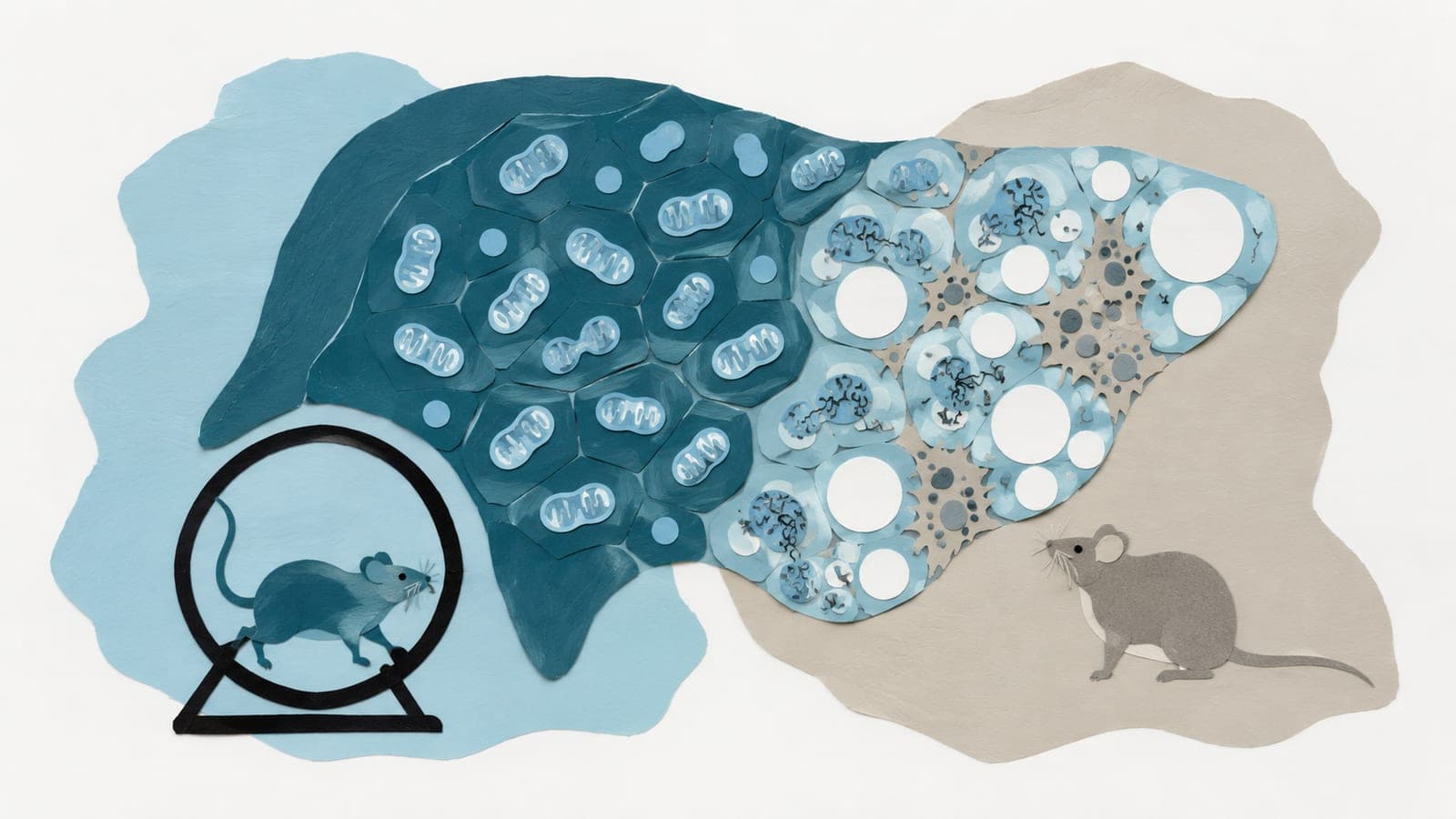
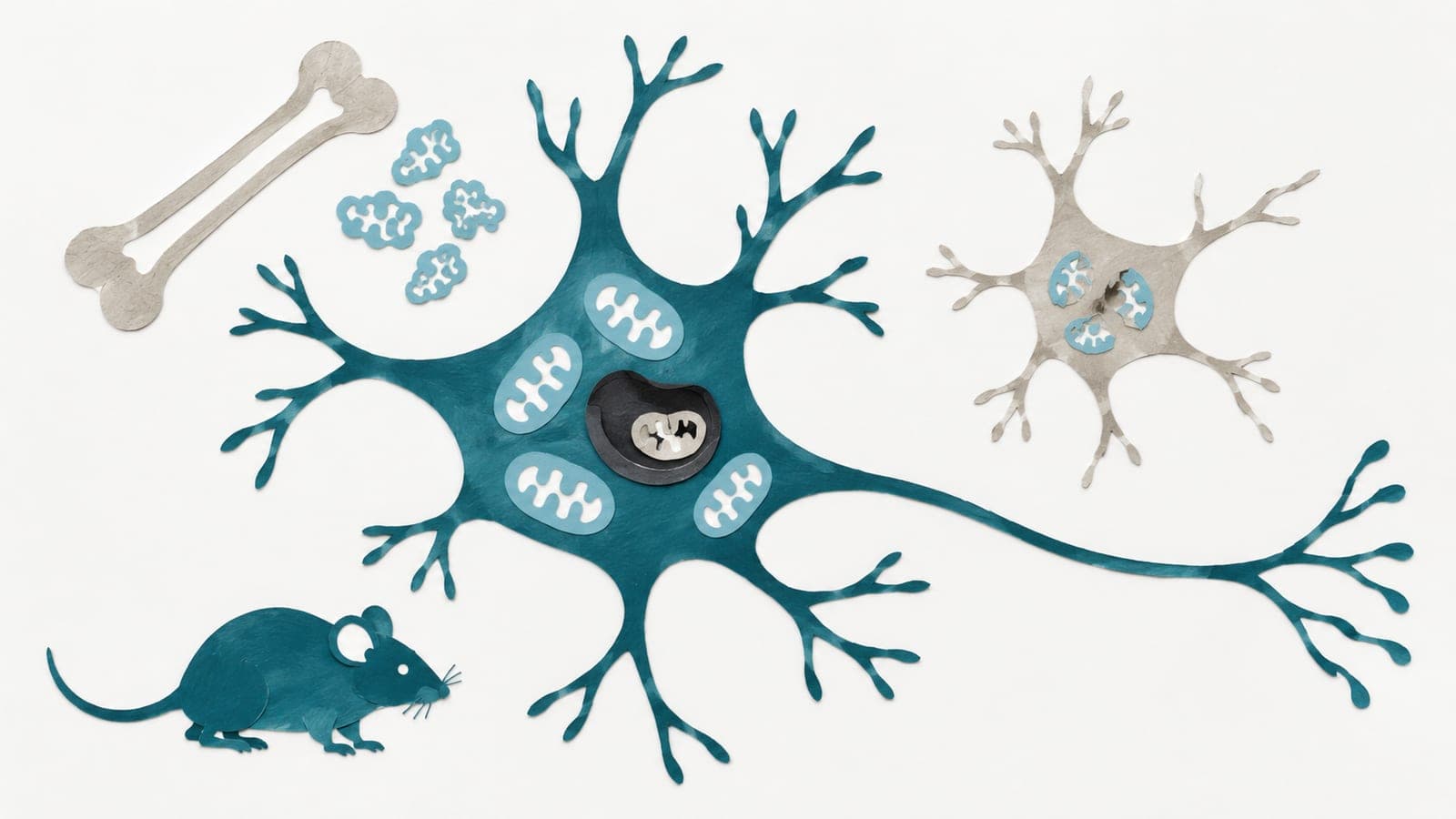
A growing body of evidence suggests that exercise shows pleiotropic effects on the maintenance of systemic homeostasis through mitochondria. Dysregulation of mitochondrial dynamism is associated with metabolic inflexibility, resulting in many of the metabolic diseases and aging. Studies have suggested that exercise prevents and delays the progression of mitochondrial dysfunction by improving mitochondrial metabolism, biogenesis, and quality control. Exercise modulates functions of mitochondrial dynamics-regulating proteins through post-translational modification mechanisms. In this review, we discuss the putative mechanisms underlying maintenance of mitochondrial homeostasis by exercise, especially focusing on the post-translational modifications of several signaling proteins contributing to mitochondrial biogenesis, autophagy or mitophagy flux, and fission/fusion cycle. We also introduce novel small molecules that can potentially mimic exercise therapy through preserving mitochondrial dynamism. These recent advancements in the field of mitochondrial biology may lead to a greater understanding of exercise signaling.
- Exercise
- Autophagy
- Cellular homeostasis
- Mitochondrial biogenesis (PGC-1α)
- Mitochondrial fission and fusion
- Mitophagy
The paper
National Institutes of Natural Sciences; Kyushu University
Pflugers Archiv, Feb 1, 2019