A bone hormone reverses age-related movement decline in mice
In mice, restoring the hormone osteocalcin improved motor function in old age by supporting cellular recycling and energy production in spinal motor neurons.
bioRxiv
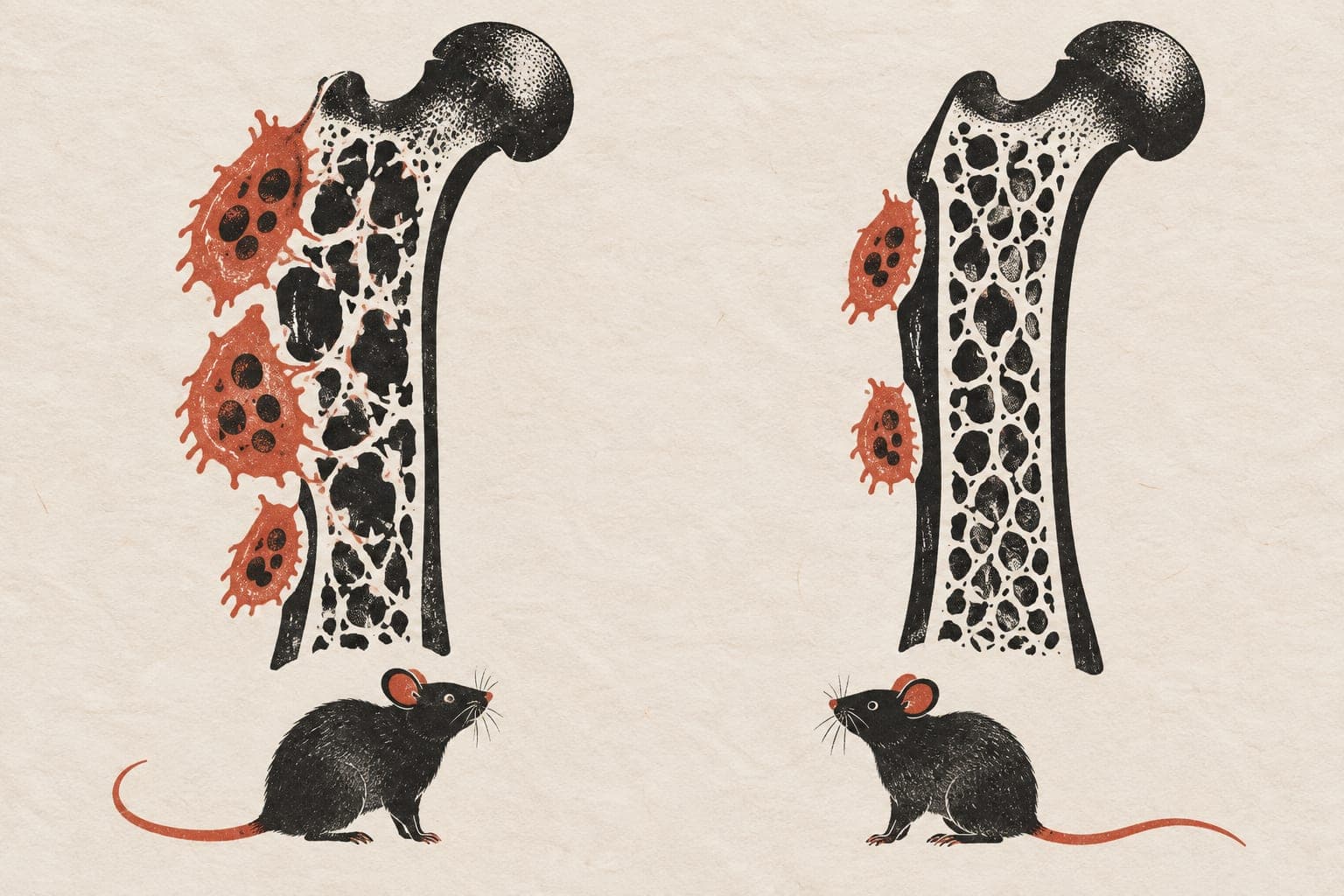
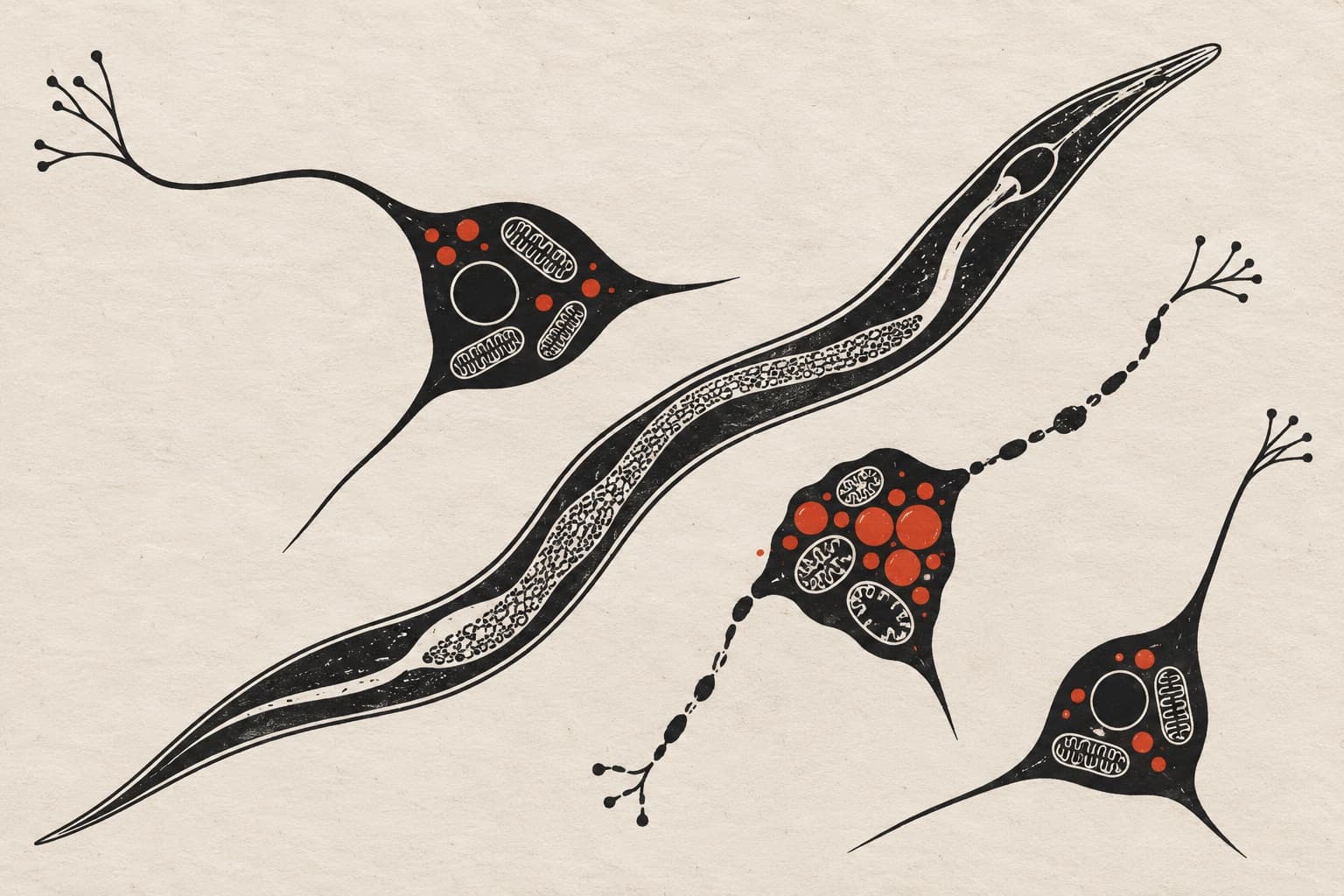
In experiments in mice, researchers tested how chemical signals from bone affect nerve cells in the spinal cord that control movement. The bone-derived hormone osteocalcin acted on these motor neurons through a receptor protein called GPR158. Mice lacking either osteocalcin or GPR158 moved less well and had lower levels of an enzyme needed to make acetylcholine, a chemical messenger. In the spinal motor neurons, osteocalcin signalling fine-tuned mitochondrial activity as well as autophagy and mitophagy, processes that clear out damaged cell parts and faulty mitochondria. Artificially activating mitochondria or triggering mitophagy rescued movement deficits in mice lacking GPR158. Furthermore, restoring osteocalcin in aged mice reversed their age-related decline in movement, an effect that depended on these cellular recycling pathways.
Why it matters
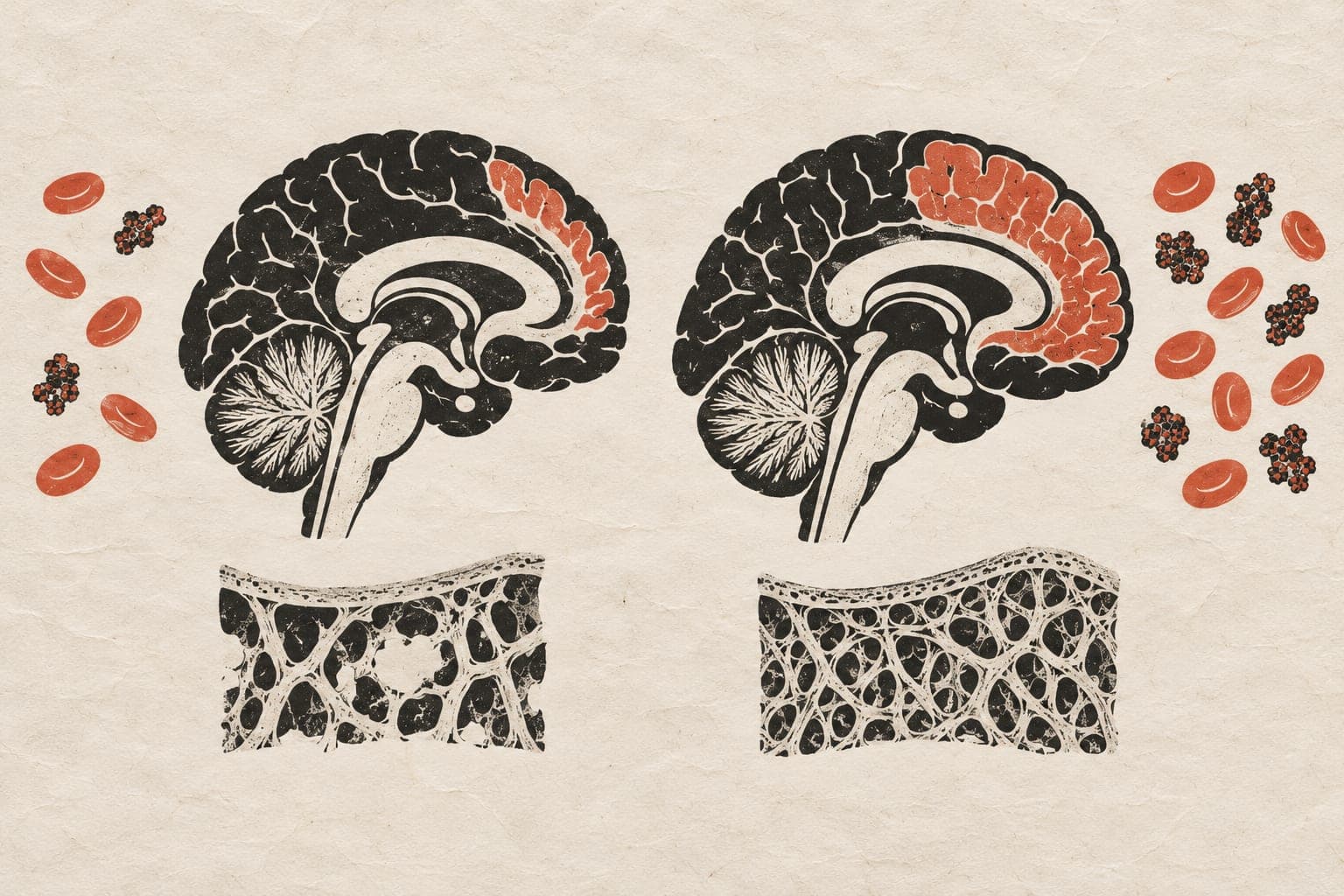
Motor performance often deteriorates with advancing age alongside changes in bone and nerve tissue. The findings suggest that communication between the skeleton and the nervous system helps sustain motor neuron health, and that age-related movement decline may be partly reversible.
Caveats
The experiments were conducted in mice, and whether the same signalling pathway regulates motor function in humans remains to be tested. The study is also a preprint that has not yet been peer-reviewed.
The paper
Bone regulates locomotion by sustaining motoneuronal mitochondrial function
Show 8 more authors
A. K. Torres-Juacida, B. Lamotte, C. Arenas-Plascencia, S. Durand, I. Nemazanyy, S. Moriceau, S. Saha, G. Karsenty,Institut Necker Enfants Malades
bioRxiv · 8 Oct 2026 · CC BY · Preprint, not peer-reviewed