Biological changes and diseases in aged CBA/Ca mice
By Beregi E, Pénzes L, Regius O et al.
Abstract
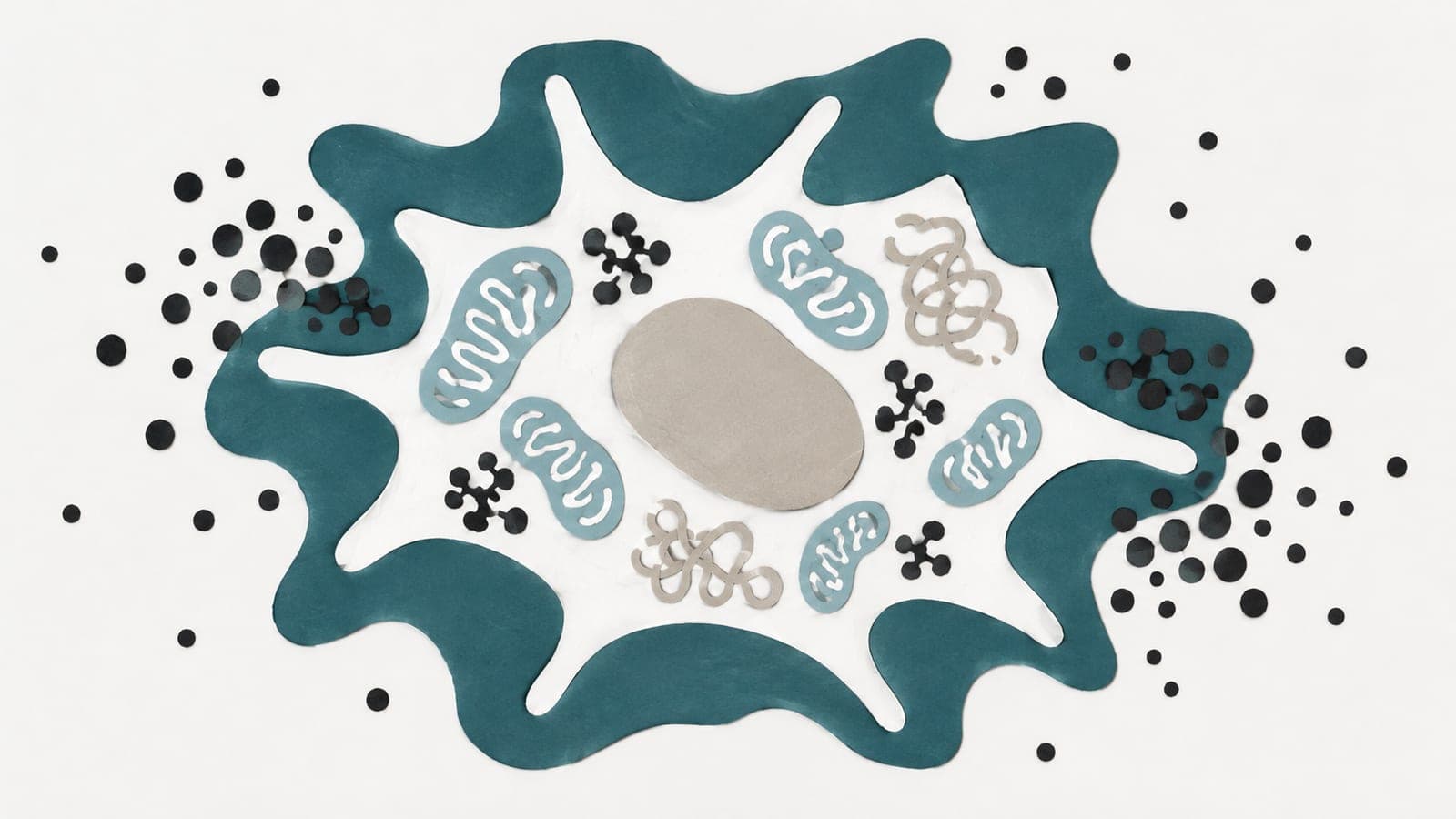
Cold adaptation, apparent protein metabolism, life span, body and organ weights, organ indices, mitochondrial changes in the lymphocytes, and frequency of diseases were examined in 661 (untreated) inbred CBA/Ca male mice. The rectal temperature proved to be lower in aged mice, i.e. the rectal temperature of old animals immediately after cold exposure was more distinctly decreased than that of young ones. The apparent protein metabolism measured by 75Se-selenomethionine turnover showed that biological half-life (T 1/2) values in the aged are almost linearly elevated. In very old animals the values are decreased. Body weight decreased significantly and continuously, spleen and liver indices decreased and heart index increased with age in healthy animals. The number of diseased animals increased with age peaking at the age of 751-900 days. After 900 days the number of diseased animals decreased. The most frequent diseases in the old animals are: hepatocellular carcinoma, amyloidosis and pulmonary adenocarcinoma. The mitochondria of spleen lymphocytes showed degenerative changes not associated with diseases, thus they can be considered as age-related biological changes.
The paper
Beregi E, Pénzes L, Regius O et al.
Comprehensive Gerontology Section A, Clinical and Laboratory Sciences, 1 Jun 1987