Inflammaging and 'Garb-aging'
Abstract
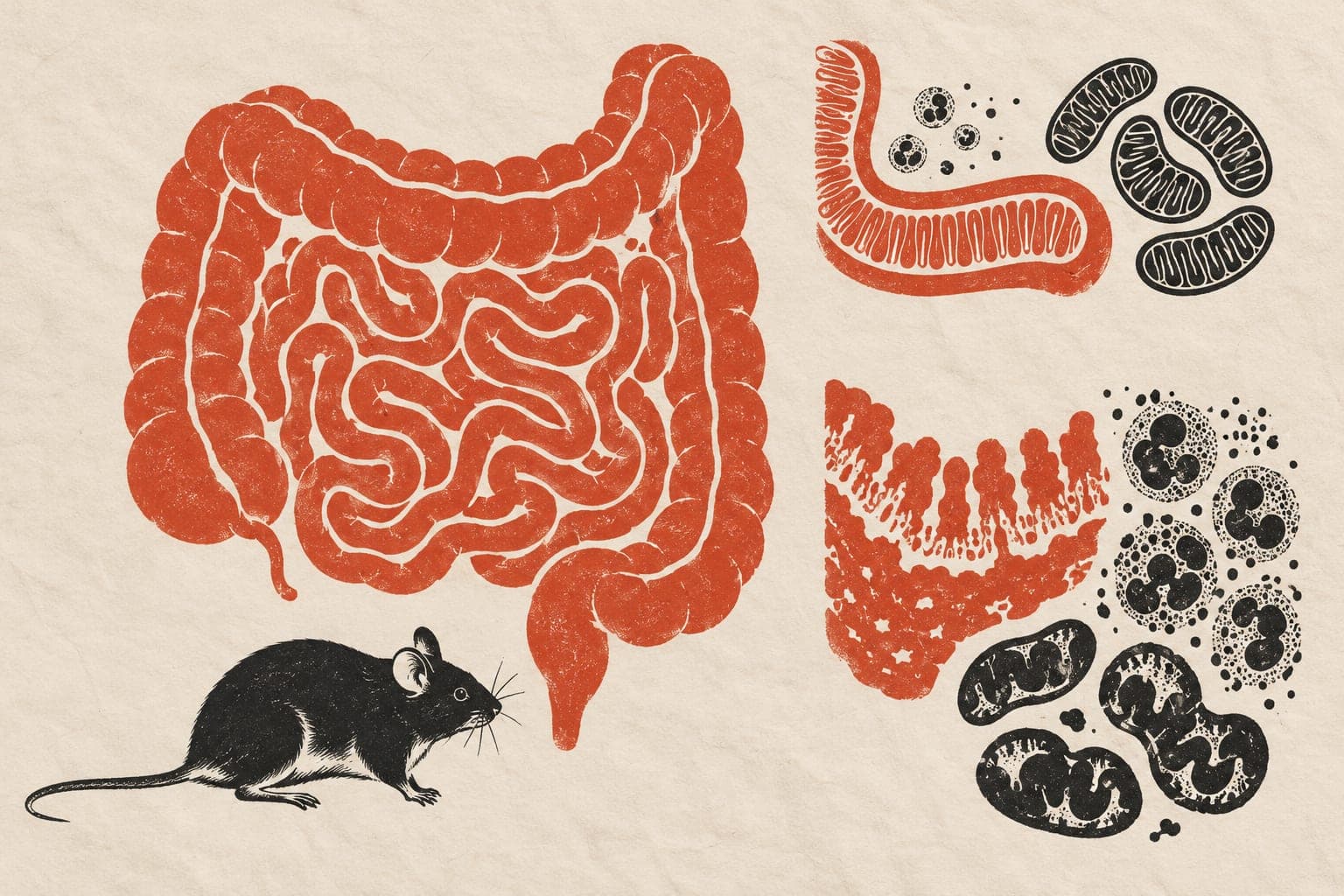
'Inflammaging' refers to the chronic, low-grade inflammation that characterizes aging. Inflammaging is macrophage centered, involves several tissues and organs, including the gut microbiota, and is characterized by a complex balance between pro- and anti-inflammatory responses. Based on literature data, we argue that the major source of inflammatory stimuli is represented by endogenous/self, misplaced, or altered molecules resulting from damaged and/or dead cells and organelles (cell debris), recognized by receptors of the innate immune system. While their production is physiological and increases with age, their disposal by the proteasome via autophagy and/or mitophagy progressively declines. This 'autoreactive/autoimmune' process fuels the onset or progression of chronic diseases that can accelerate and propagate the aging process locally and systemically. Consequently, inflammaging can be considered a major target for antiaging strategies.
The paper
Institute of Neurological Sciences of Bologna IRCCS; University of Bologna
Trends in Endocrinology and Metabolism, 24 Oct 2016