Extension of lifespan of human T lymphocytes by transfection with SV40 large T antigen
Abstract
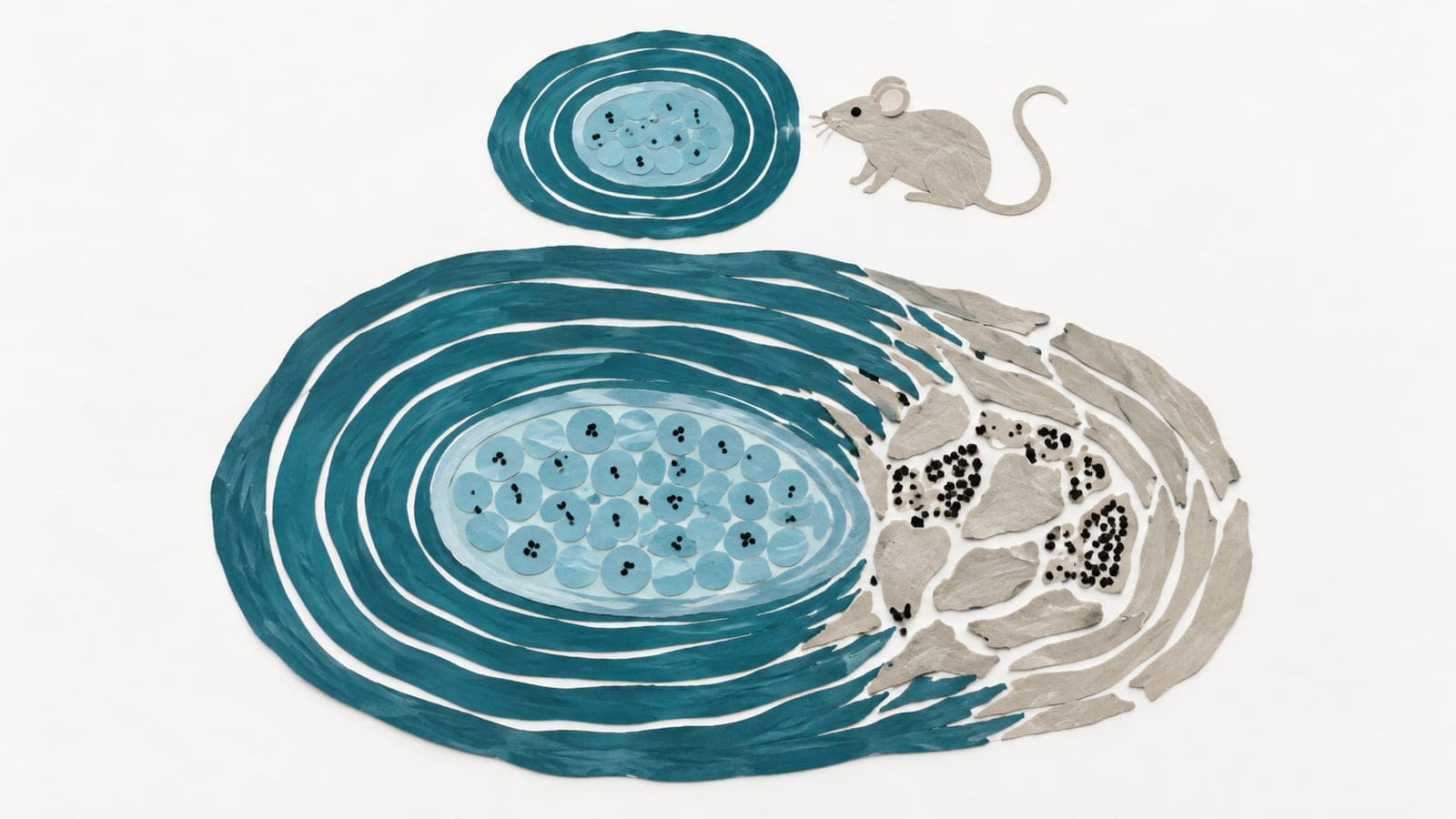
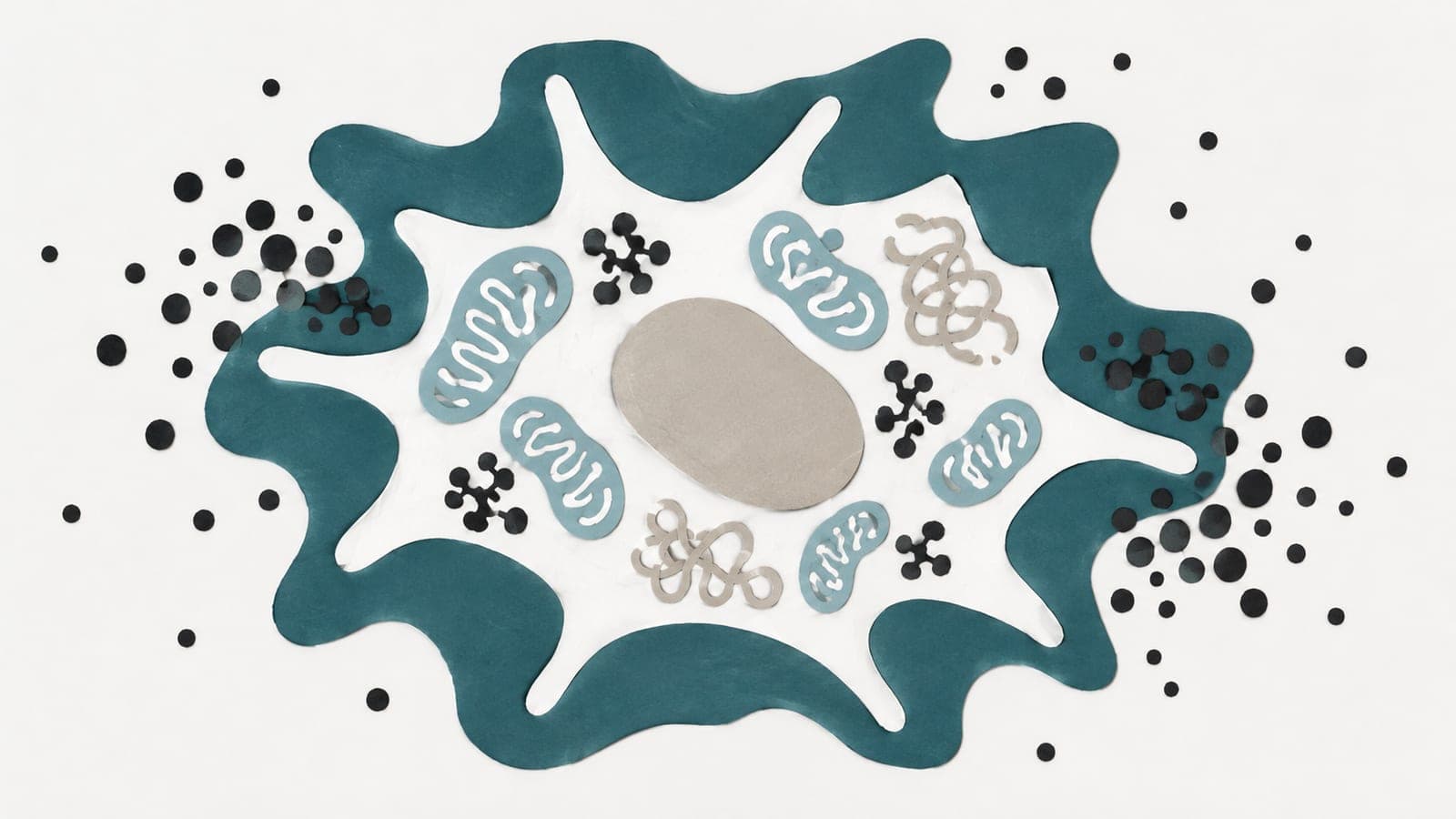
Lymphocytes have a finite and predictable proliferative life span in culture similar to that observed in fibroblasts. In general, the senescence of human fibroblasts is inevitable and irreversible, but their proliferative life span can be extended by certain DNA tumor virus oncogenes, such as the large T antigen of the SV40 virus. Here, we show that human T lymphocytes (HTL) can be stably transfected with SV40 large T and that expression of T antigen extended the life span of T cell cultures. PHA-stimulated HTL were transfected with pSV3neo, an expression vector containing the SV40 early region and the neomycin resistance gene. Transfectants were selected for neomycin (G418) resistance. Control HTL, either mock transfected or transfected with pSV2neo (containing the neomycin resistance gene only), ceased proliferation after about 17 population doublings. In contrast, HTL transfected with pSV3neo underwent more than 170 doublings. pSV3neo-transfected cells expressed SV40 large T RNA, detectable by in situ hybridization, and SV40 T antigen, detectable by immunofluorescence. Greater than 95% of the transfected cells were CD4 positive. These results clearly show that SV40 large T enables HTL to escape senescence. Transfection with SV40 large T may be a valuable method for obtaining long term human T cell lines for studies of both aging and immunology.
The paper
Medical College of Pennsylvania; The Medical College of Pennsylvania
Experimental Cell Research, 1 Apr 1992