Epigenetic age acceleration in offspring linked to paternal smoking initiation and overweight in puberty: Evidence from a two-generation study
Abstract
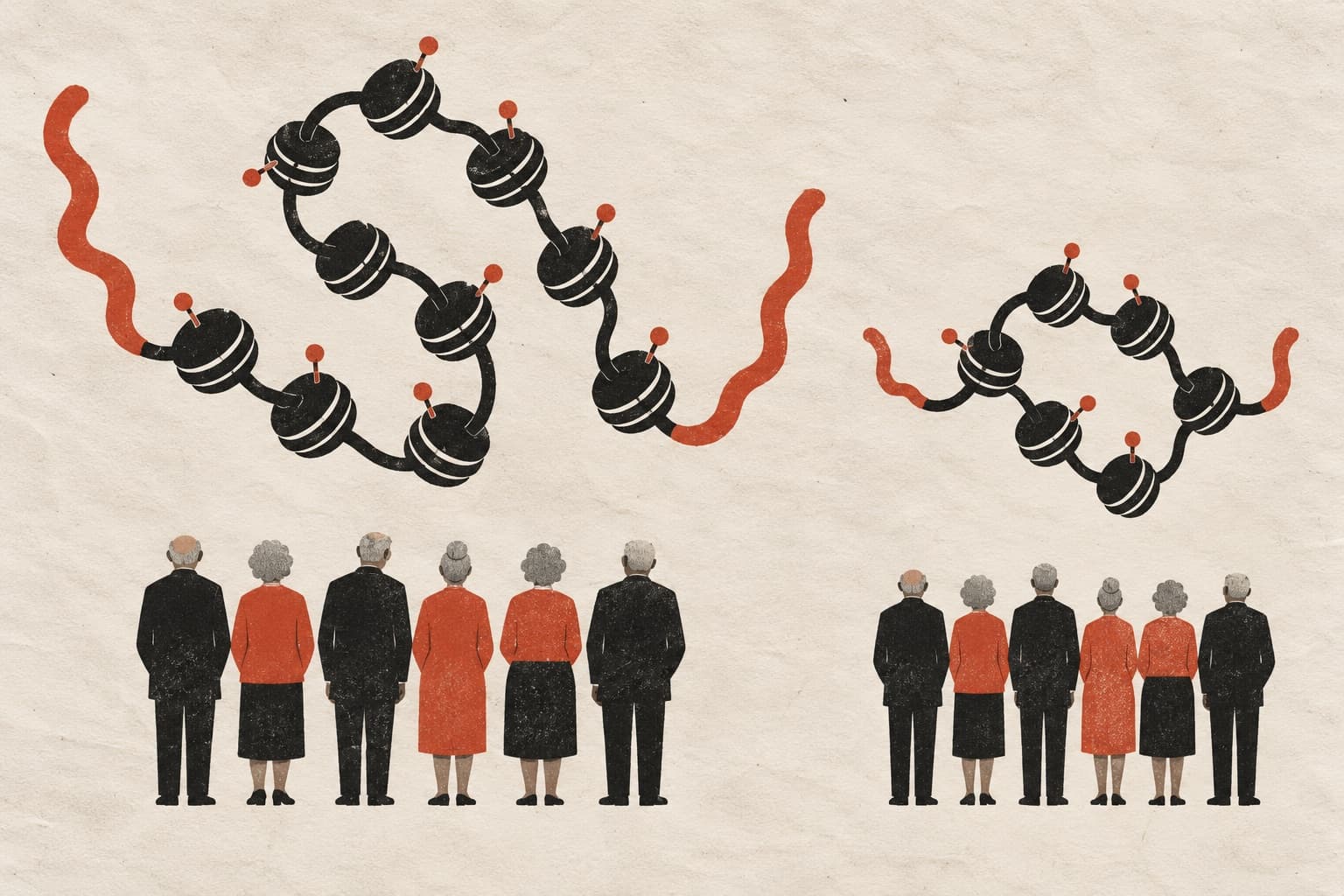
Abstract Background: Father's adolescent smoking and overweight affect respiratory health in offspring, suggesting that paternal puberty exposures may influence offspring biological ageing through preconception epigenetic mechanisms. Methods: We analyzed epigenetic age acceleration using four validated epigenetic clocks derived from blood DNA methylation in 892 RHINESSA offspring (mean age 27 years), linked to parental data on smoking and body shapes from RHINE/ECRHS. Linear regression examined parental smoking initiation (≤15 or >15 years) and overweight body shape (childhood/puberty or age 30) in relation to offspring epigenetic age acceleration, adjusting for offspring sex, age and parental socioeconomic status. Sensitivity analyses accounted for offspring smoking and BMI. Results: PCHorvath (β 1.53; 95% CI 0.02, 2.9), PCGrimAge (1.21; 0.03, 2.1), DunedinPACE (0.04; -0.001, 0.1) and PCPhenoAge (1.92; -0.3, 4.2) were accelerated in daughters of fathers who started smoking ≤15 years. Likewise, PCHorvath (2.25; 1.2, 3.3), PCGrimAge (1.36; -0.2, 2.9), DunedinPACE (0.07; 0.01, 0.1) and PCPhenoAge (3.11; 1.8, 4.4) were accelerated in daughters and sons of fathers who had been overweight in childhood and puberty. These results remained largely unchanged after additional adjustments or stratification in sensitivity analyses. No associations were found for maternal smoking or overweight in puberty. Conclusions: Epigenetic ageing is accelerated in offspring of fathers who smoked or were overweight in puberty, independent of offspring lifestyle. These findings suggest that adolescent boys' environment and lifestyle may be critical for next-generation health.
The paper
University of Bergen; Haukeland University Hospital
medRxiv, 6 May 2026, Open access, CC BY, Preprint, not peer-reviewed