Retrotransposons Promote Dnmt3a -Mutant Clonal Hematopoiesis Through Aging-Related Stromal Inflammation
Abstract
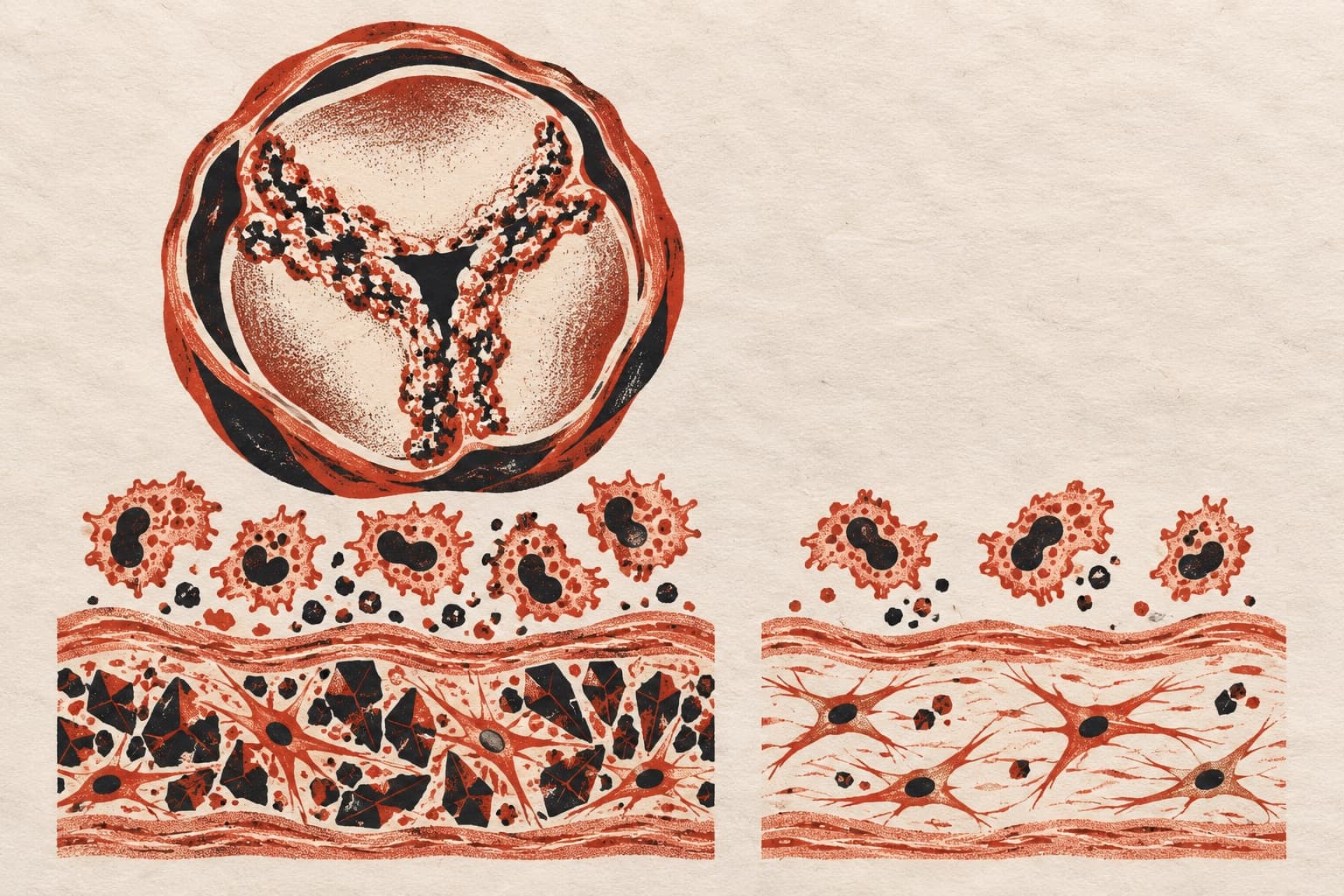
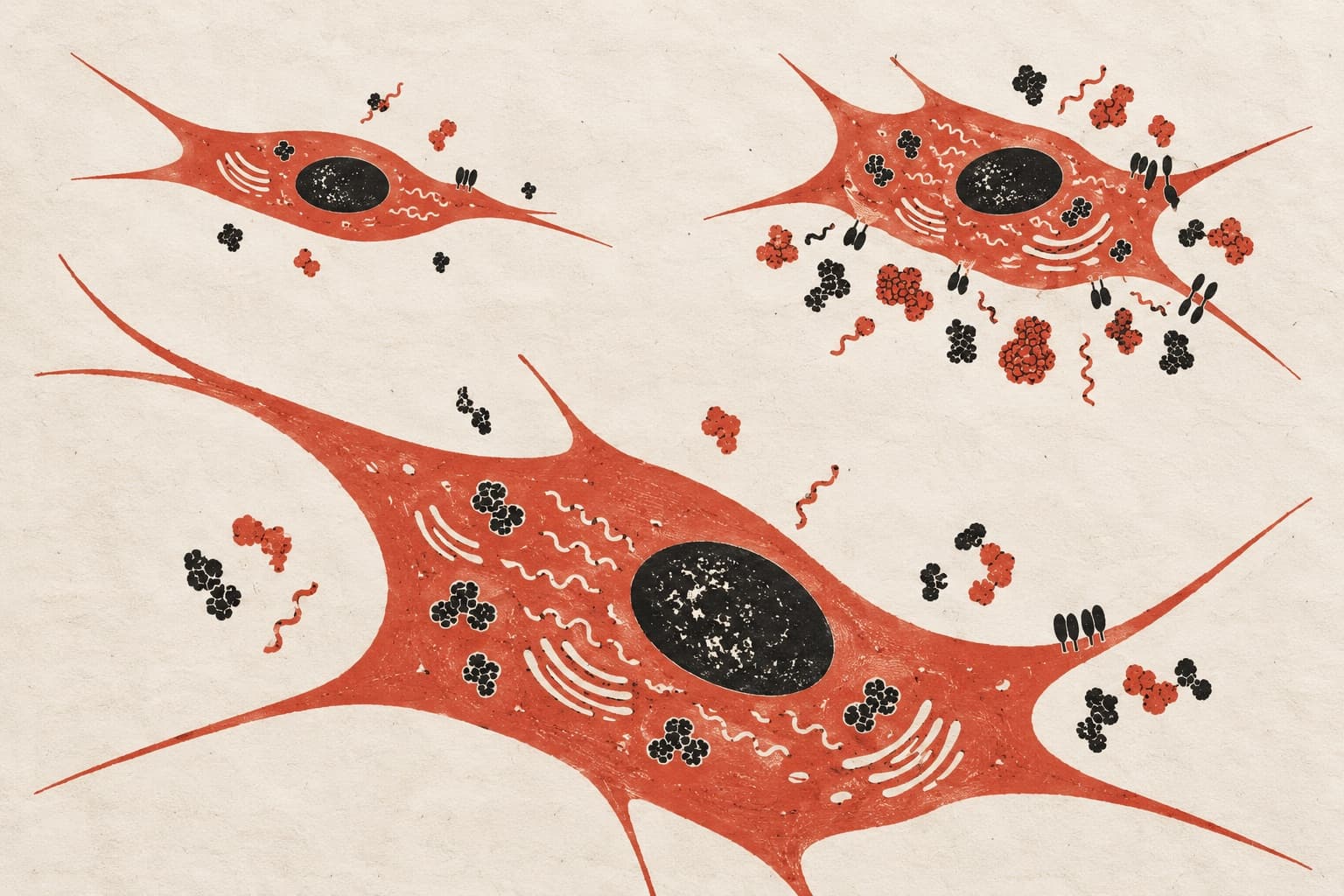
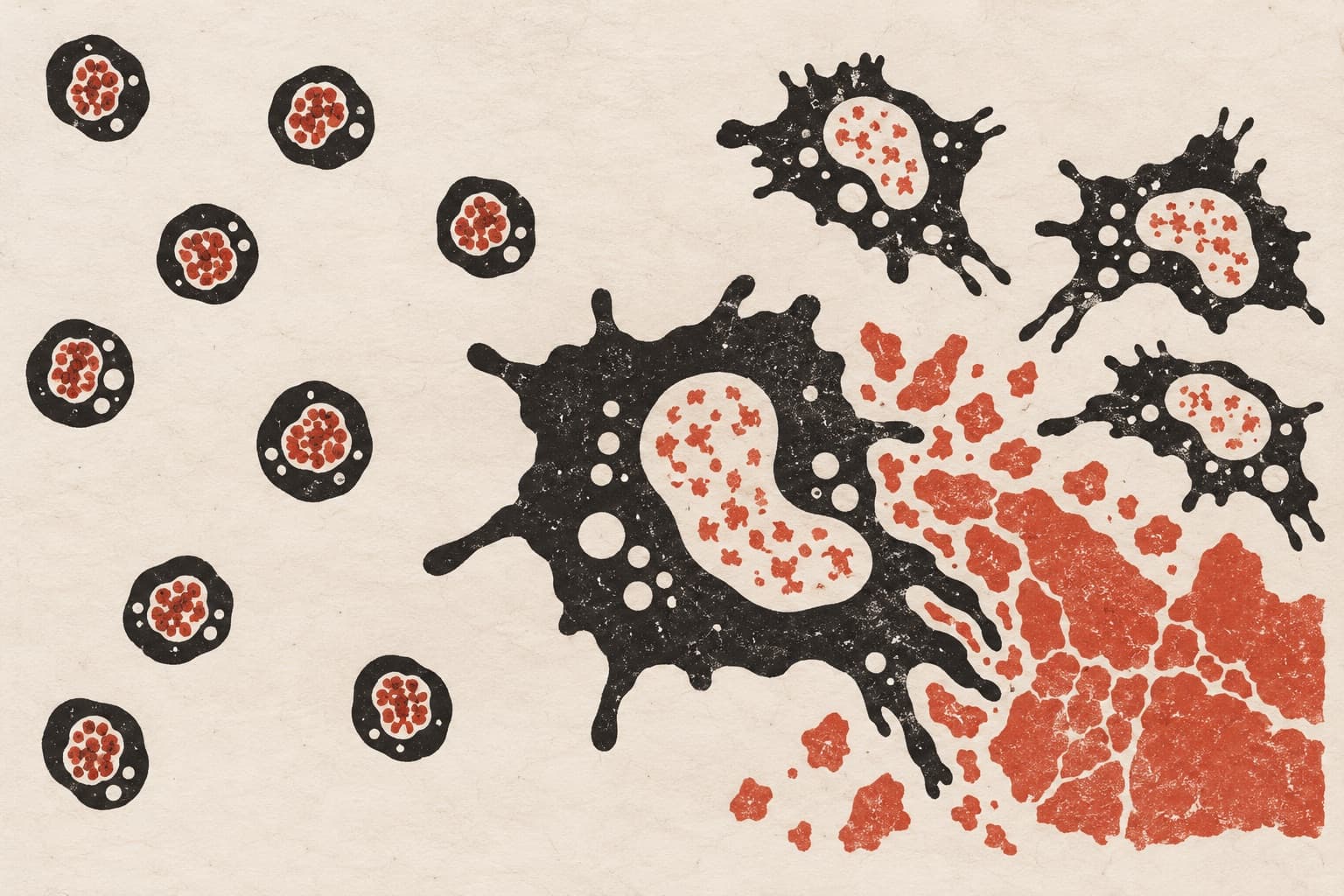
ABSTRACT Clonal hematopoiesis (CH) is an age-related phenomenon driven by the expansion of mutant hematopoietic stem cell (HSC) clones, most commonly harboring mutations in DNMT3A . While inflammation is known to promote CH, the upstream triggers of this inflammatory state remain unclear. We show that aging selectively upregulates retrotransposons in the non-hematopoietic cell compartment of the murine bone marrow, particularly in mesenchymal stromal cells. Using in vivo competitive transplant models, we demonstrate that retrotransposon-induced inflammation cell-extrinsically promotes Dnmt3a -mutant HSC expansion. This competitive advantage arises from mutant HSC resistance to inflammation-driven cell cycle perturbations. Mechanistically, we show that retrotransposon activation induces type I interferon signaling via viral mimicry, such that stromal knockdown of either Irf3 or Sting abrogates the competitive advantage of Dnmt3a -mutant HSCs. Our findings establish stromal-selective retrotransposon reactivation as a previously unrecognized, non-cell-autonomous source of inflammation that contributes to age-associated CH. Key Points Retrotransposons remodel the aging niche through viral mimicry pathways to promote Dnmt3a -mutant clonal hematopoiesis. Retrotransposon-mediated inflammation impairs wild-type HSC fitness, while Dnmt3a -mutant HSCs resist inflammatory changes.
- DNMT3A
- Inflammation
- IRF3
- Clonal hematopoiesis of indeterminate potential
- Dnmt3a-mutant hematopoietic stem cell expansion
- Mice
The paper
The University of Texas Southwestern Medical Center
bioRxiv, 23 Feb 2026, Preprint, not peer-reviewed