Why we age: the four process model
Abstract
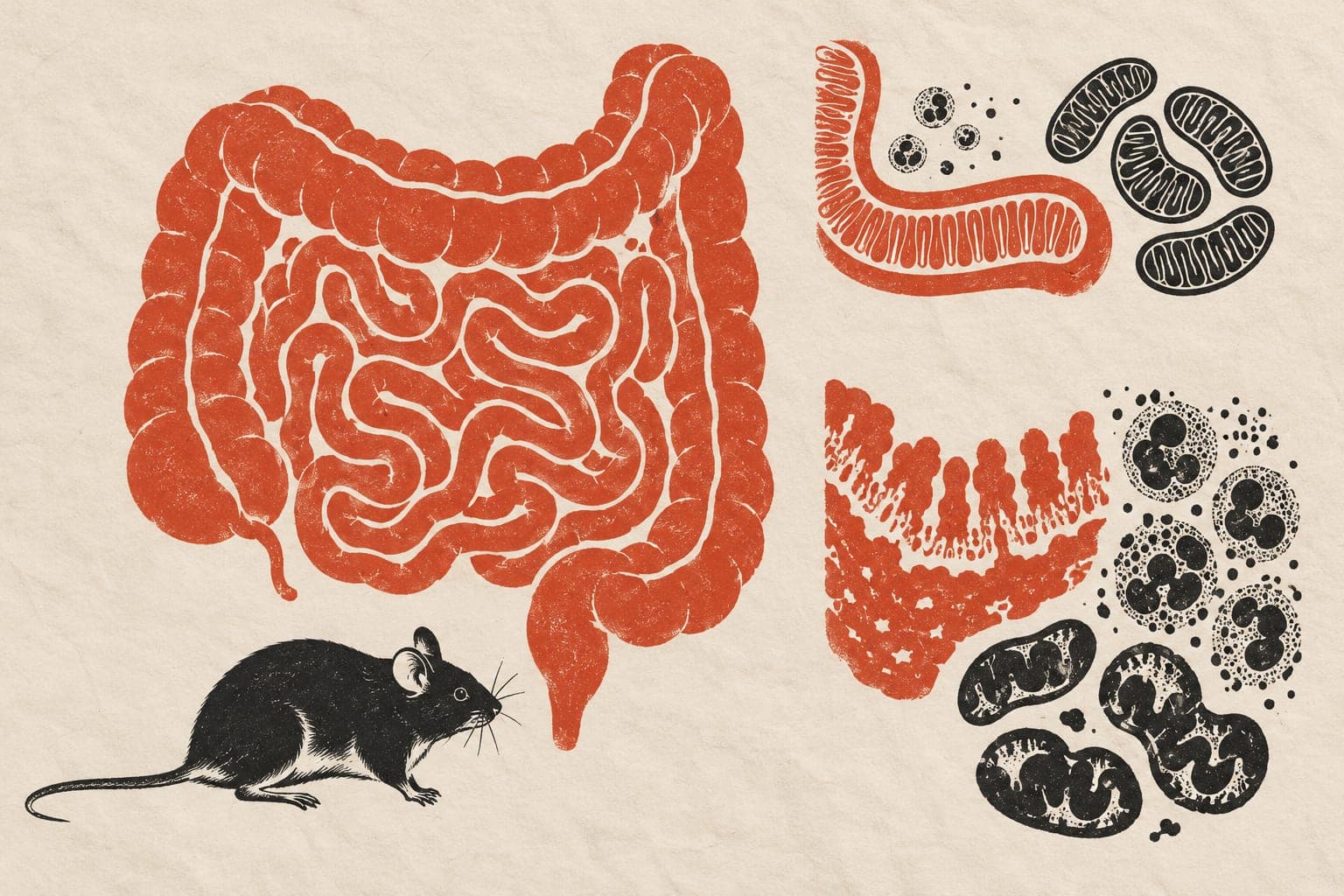
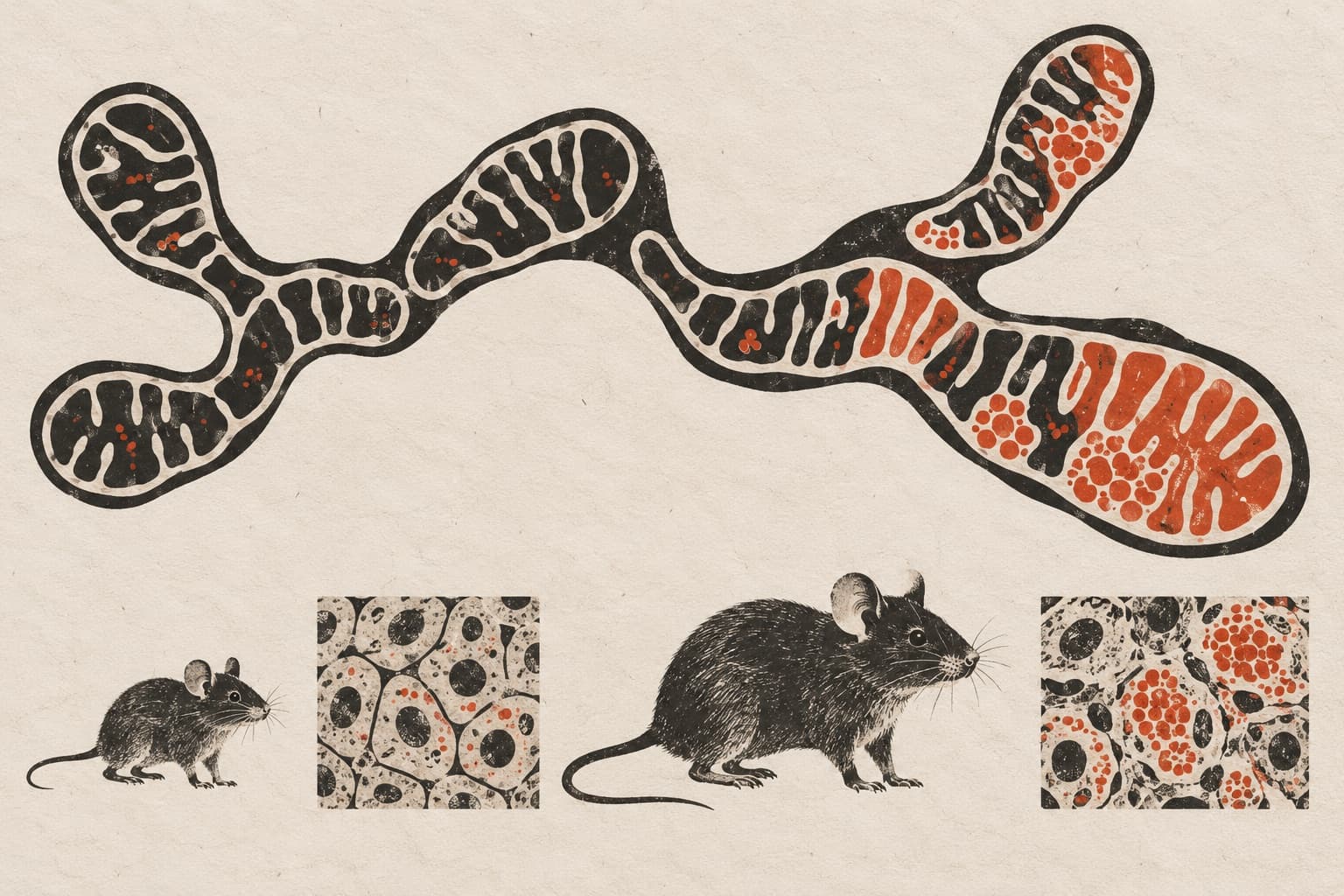
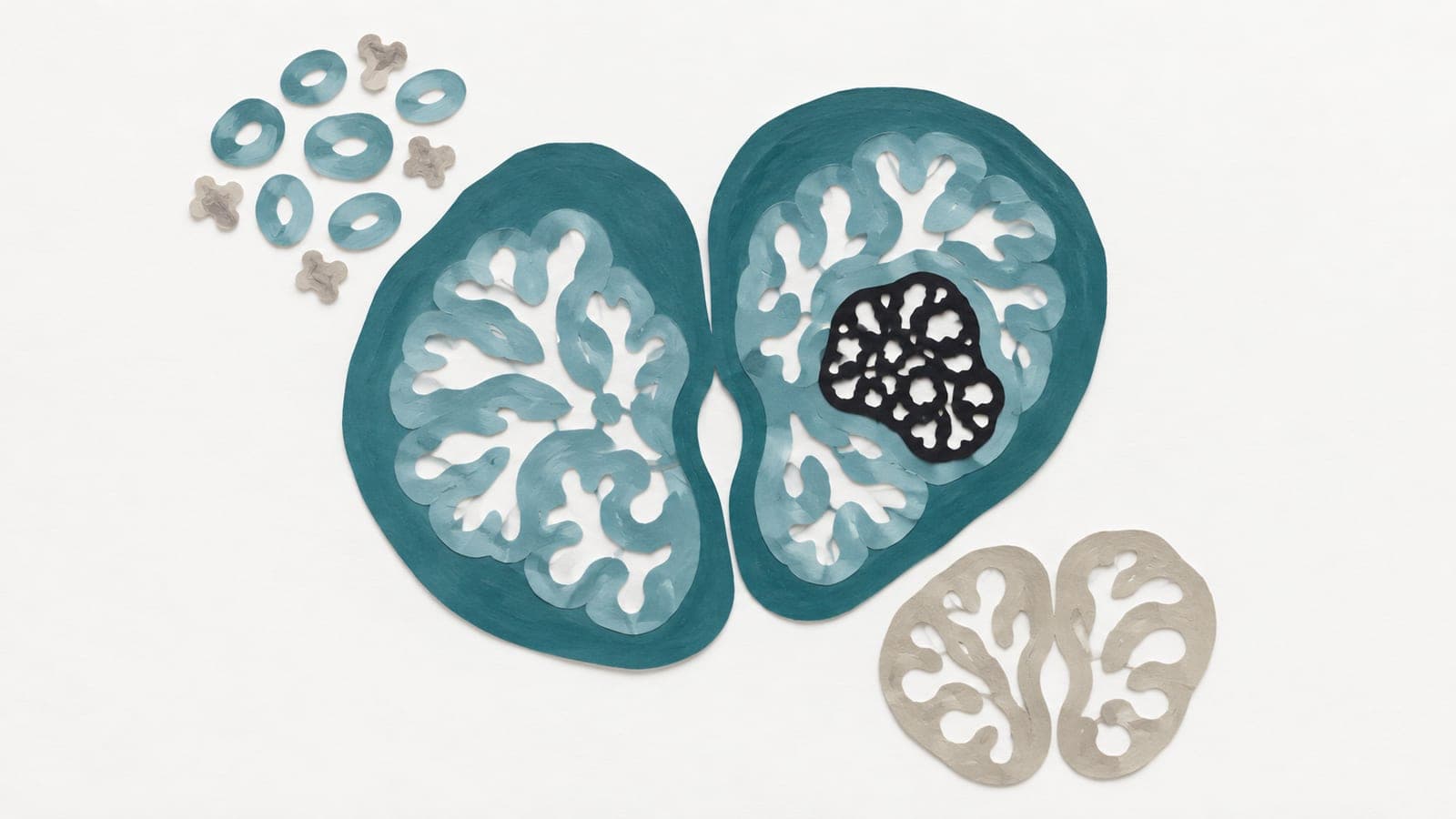
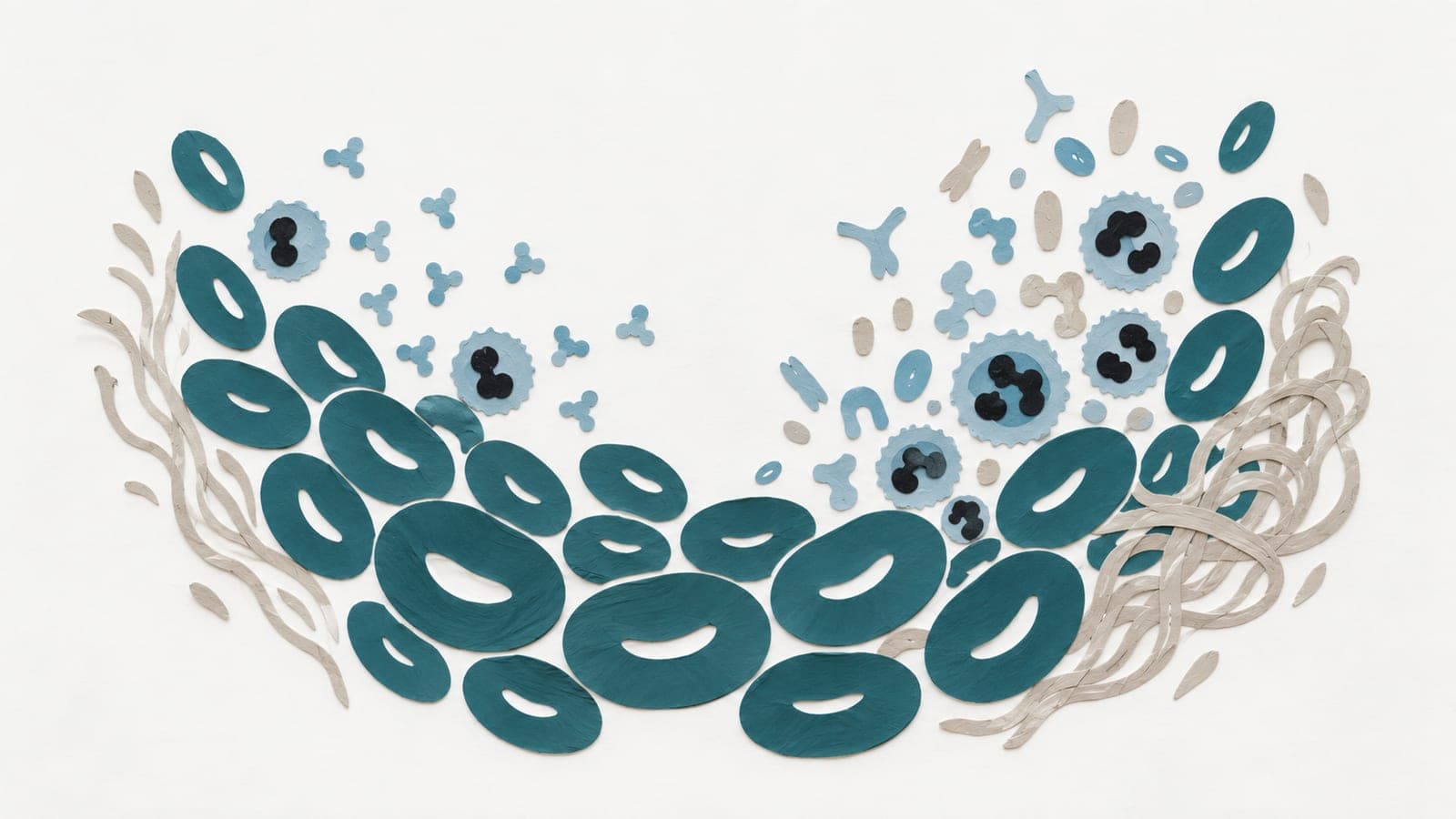
Although ageing can be understood in terms of associated hallmarks and biomarkers, the processes which connect and cause these phenotypes are ill-defined. Here we suggest a unifying model of ageing as four distinct processes which connect the major observations and evidence into a single framework. It explains, from a single initial cause to the ultimate outcomes and diseases, why we age and die. We suggest that although DNA damage is crucial to shift homeostasis, ageing itself is not caused by simple DNA damage accumulation. Instead, only specific sites of damage are relevant when they affect selection and the resulting ageing processes. For clarity, each process is given a name. The first process, celerisis, results from the natural course of tissue-level selection for cells with elevated metabolic and proliferative rate. If the damaged DNA site gives the cell a selective advantage, it can spread within the tissue causing hyperfunctional diseases including cancer and fibrosis. However, many ageing phenotypes are more associated with hypofunction. Therefore, we suggest that our tissues have a mechanism to prevent the spread of hyperfunctional cells. In proliferative tissues, a second process, intrinsic ageing, is the result of this defence mechanism induced through cell communication via Notch. Slower metabolising mutants induce epigenetic changes in faster cells, and then epigenetically slowed cells slow other cells, causing gradual metabolic slowdown across tissues. The third process, extrinsic ageing, could then result directly from metabolic slowdown as body cells use less ATP. Mitochondria reduce catabolism, restoring ATP levels by burning less glucose and lipid. Build-up of these fuels in the cytoplasm reduces import, restoring equilibrium but inducing insulin resistance (IR), while the excess fuel is diverted to the adipose, causing weight gain, chronic inflammation, and metabolic syndrome. These outcomes could then combine with intrinsic ageing to induce age-related disease. The final process of mitochondrial selection induces intrinsic ageing of single celled life as well as post-mitotic tissues and organisms. Together, the four processes produce a detailed mechanistic map that explains the evolutionary significance of ageing, removing old paradoxes, and connecting the hallmarks into a causal framework that furthers our understanding.
The paper
Newcastle University
bioRxiv, 2 Feb 2026, CC BY, Preprint, not peer-reviewed