NMN Prevents Age-Associated Transcriptional Drift in a Tissue-Dependent Manner: Mechanistic Leads from RAB11A-Mediated Trafficking and CPT2-Linked Fatty Acid Oxidation
Abstract
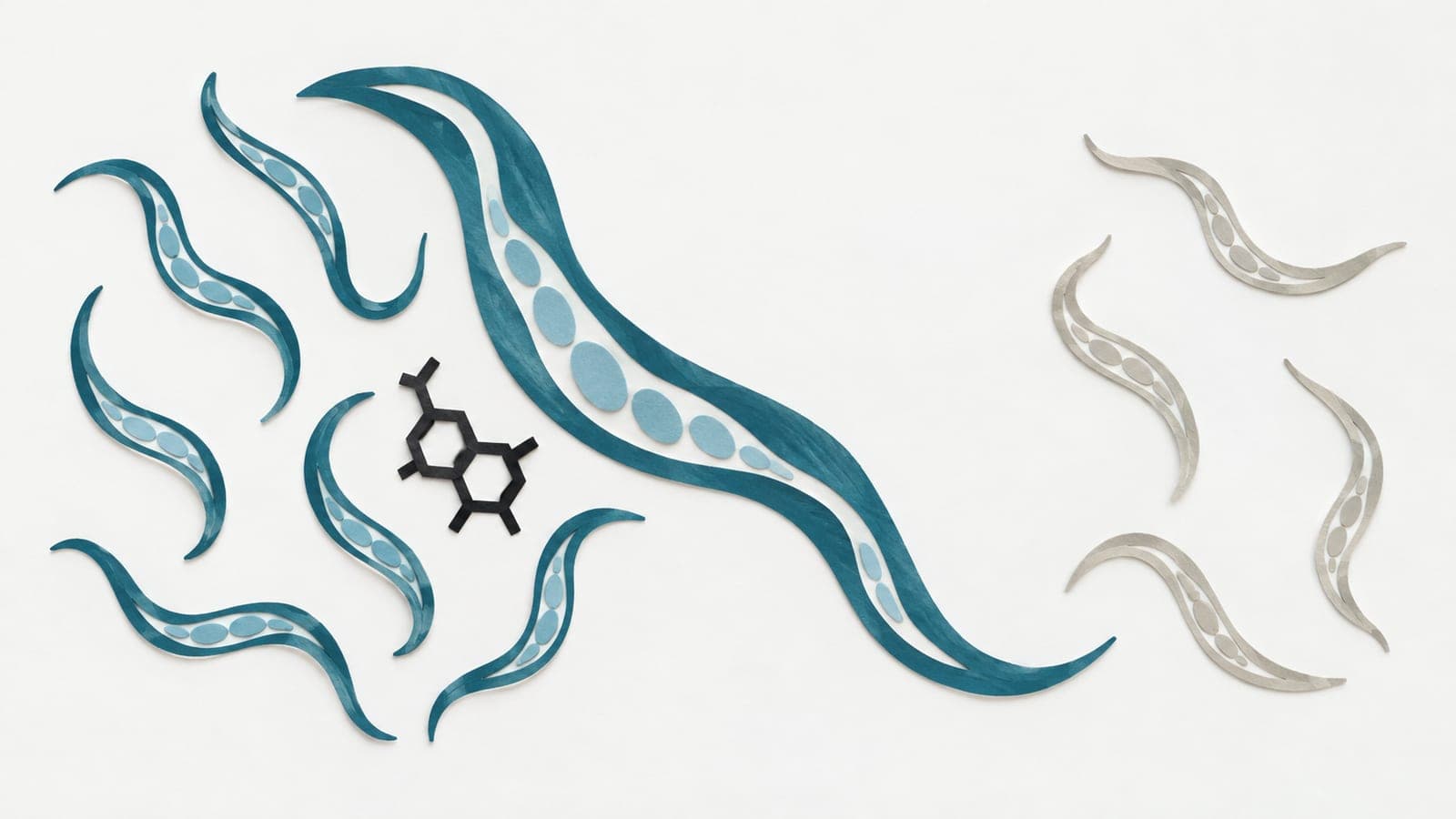
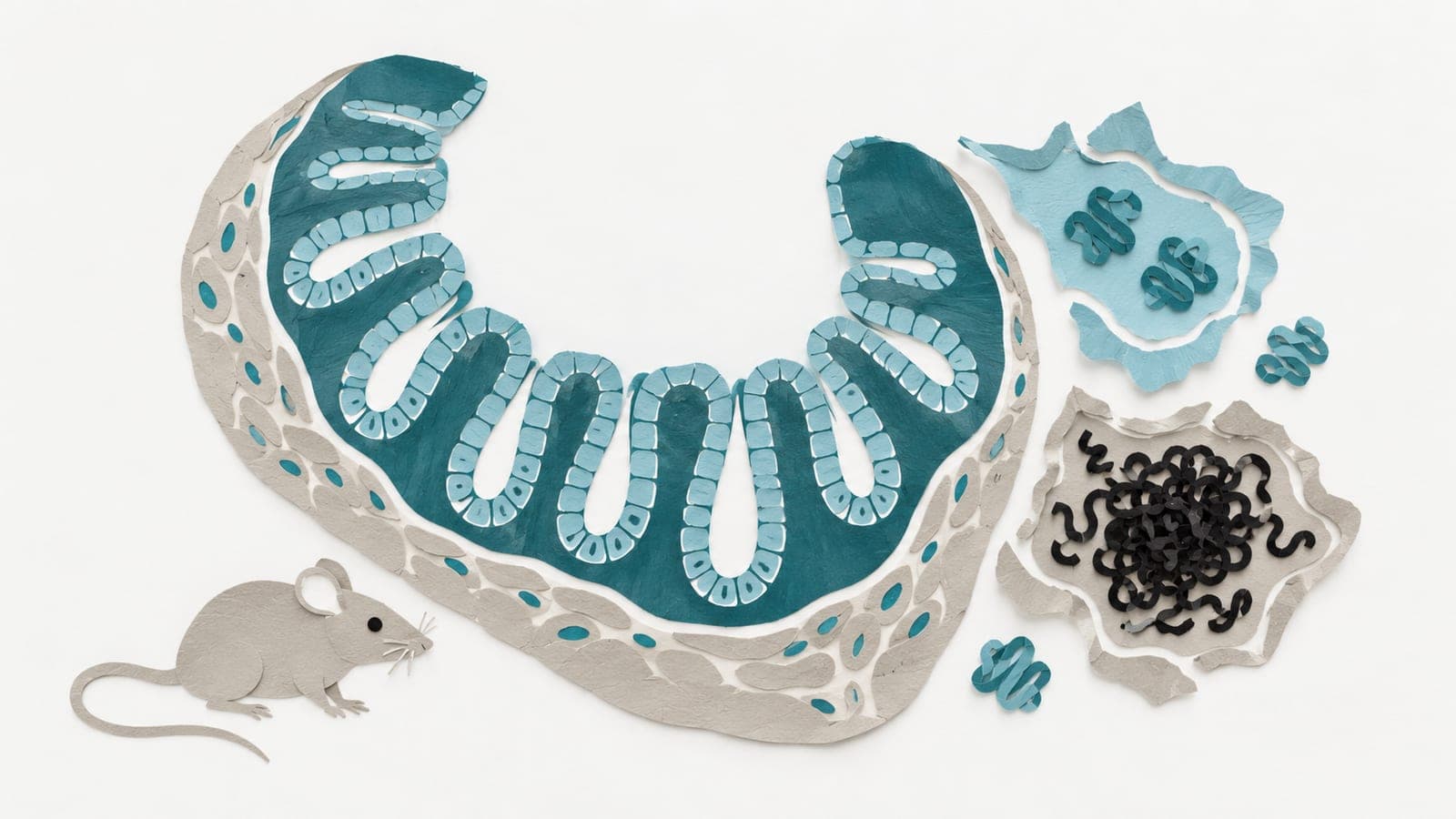
Nicotinamide mononucleotide, or NMN, has been reported to improve several age-sensitive physiological traits in mice, including energy metabolism, insulin sensitivity, plasma lipid profiles, and skeletal-muscle mitochondrial function. Yet the transcriptional mechanisms behind these effects remain less clear than the broader NAD+ and sirtuin-centered model often used to explain NMN biology. Here, GSE85718 from Mills et al. (2016) was re-analyzed with a per-tissue interaction model designed to test whether NMN modifies age-associated transcriptional change rather than simply shifting expression at one age. The model was expression ~ age x treatment, with the age-by-treatment term used as the central test. A gene was considered an NMN-rescue candidate only when it changed with age in control mice and showed an opposite-signed interaction term. No individual gene reached genome-wide FDR < 0.05 for age, NMN at 6 months, or the interaction term in skeletal muscle, liver, or white adipose tissue. Therefore, all gene-level results should be treated as hypothesis-generating. Using relaxed nominal criteria, 421 rescue candidates were identified in skeletal muscle, 355 in liver, and 397 in white adipose tissue. Only 35 genes were rescued in at least two tissues, 26 of which were direction-consistent, and none were rescued in all three tissues. RAB11A emerged as the strongest cross-tissue candidate, with rescue in skeletal muscle and white adipose tissue, high confidence in at least one tissue, consistent directionality, and involvement in 39 GSEA leading-edge terms, largely related to trafficking and cellular transport. CPT2 was the only mitochondrial gene among the robust cross-tissue candidates and was consistently rescued in skeletal muscle and white adipose tissue, supporting a fatty-acid oxidation hypothesis. At the pathway level, liver showed the clearest signal: NMN was associated with suppression of fatty-acyl-CoA and long-chain fatty-acyl-CoA metabolic programs. These findings do not establish definitive transcriptional targets of NMN, but they provide a focused translational roadmap. In particular, they support moving beyond a generic “NAD+ improves mitochondria” model toward testable mechanisms involving cellular logistics, membrane recycling, and substrate utilization.
The paper
Figshare, 26 Jun 2026, Open access, CC BY, Preprint, not peer-reviewed