A gene may shape spermidine’s heart benefits in mice
In male mice studied for four weeks after heart attacks, activating a gene weakened, but did not eliminate, spermidine’s benefits for heart pumping and scarring.
Our read
Interventions- Studied:
- Experiments in male mice with myocardial infarction, four-week endpoint (Blinded, dose-response, independent replication)
- What changed:
- Spermidine-treated mice had poorer heart pumping with FREM1 activation than with a control vector
- The catch:
- Only 6 mice per group were analyzed in the FREM1 activation experiment
- In the record:
- One of 480 papers on spermidine on record: 72 with results in people, 176 in animals.
Editor of record: Boris Djordjevic · AgingResearch.News
Eight-week-old male C57BL/6J mice underwent experiments testing spermidine after an induced heart attack. The first experiment used six mice per group. Mice received 3 millimolar spermidine in drinking water from surgery through the four-week endpoint.
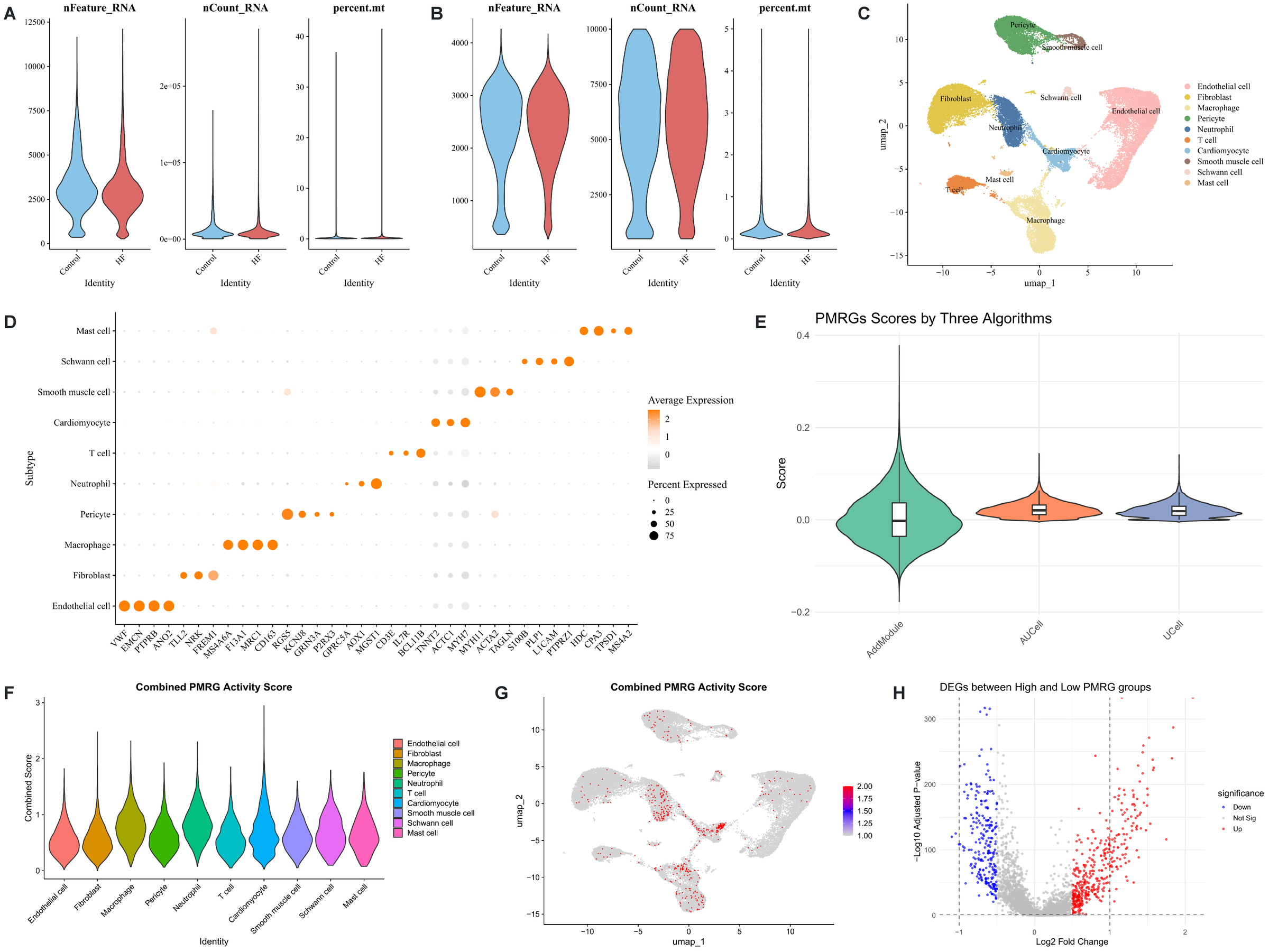
Spermidine improved heart pumping, reduced collagen buildup and lowered levels of FREM1, a protein associated with the material surrounding cells. Activating the FREM1 gene with a method directed at fibroblasts, cells that build connective tissue, weakened the pumping and scarring benefits, but some benefit remained. Separately, analyses of gene activity in human hearts identified a pattern concentrated in fibroblasts, with FREM1 among four reproducible components. The authors identified FREM1 as a candidate regulator of the heart’s response to spermidine.
Why it matters
Heart failure is an age-related disease involving lasting changes in heart tissue. The authors propose that the FREM1-associated program could offer a starting point for matching therapies to different forms of ischemic heart failure.
Caveats
The authors note that gene activation did not establish whether normal FREM1 activity is necessary for spermidine’s benefits. The experiments used young male mice.
From the paper
- Events by group
Fibroblasts had the highest mean four-gene KeyScore (0.299), exceeding the other annotated populations (Figure 6B,C; Supplementary Table S11) and accounting for 0.75% of recovered control nuclei and 27.68% of recovered HF nuclei.
Results, 2.5. The Four-Gene Signature Is Predominantly Active in Fibroblasts
- Limitation
First, the discovery cohort included mixed HF etiologies, whereas the independent validation cohort and mouse experiments focused on ischemic disease; larger, etiology-stratified validation is therefore needed.
Quoted word for word from the full text on mdpi.com.
The paper
Fuwai Hospital
International Journal of Molecular Sciences, Nov 16, 2026, Open access, CC BY


Comments
Be the first to comment.