Scientific output on the mental health of women during the climacteric and menopause
Abstract
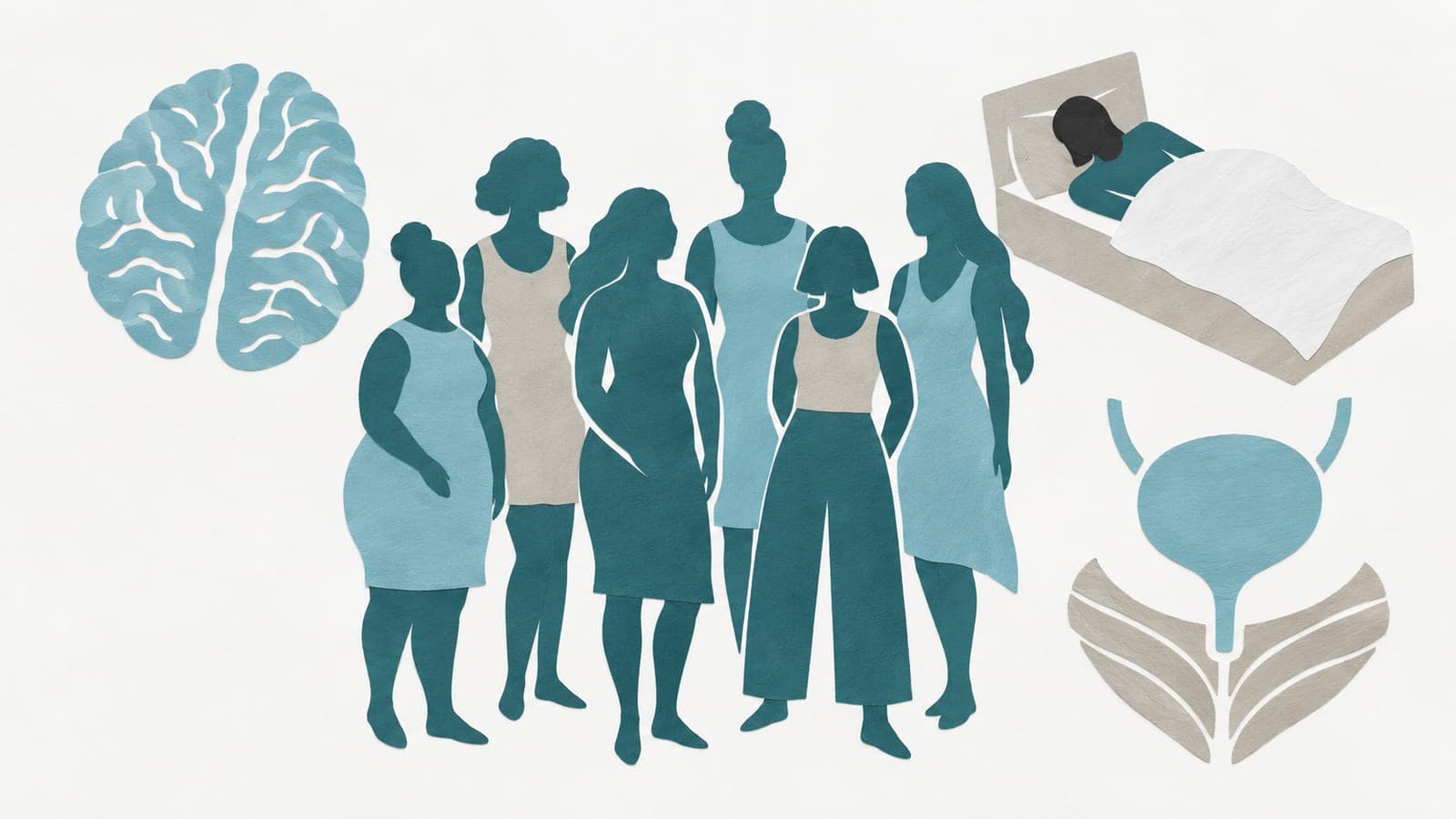
The climacteric and menopause are transitional phases in women's lives, characterized by neuroendocrine, physical, and psychosocial changes that can significantly affect mental health. This study aimed to analyze the repercussions of the climacteric and menopause on women's mental health, identifying the main associated symptoms and the biopsychosocial factors involved. This is an integrative literature review, conducted using the PICo strategy, with a systematized search of the PubMed/MEDLINE, SciELO, and LILACS databases, including articles published in the last ten years in Portuguese, English, and Spanish. Initially, 575 studies were identified, of which 23 comprised the final sample after application of the eligibility criteria and selection stages according to PRISMA recommendations. The results showed a high prevalence of depressive symptoms, anxiety, sleep disorders, fatigue, cognitive impairment, and changes in quality of life, associated with both hormonal fluctuations and psychosocial factors, such as social vulnerability, self-image, adaptation to aging, and social support. Also noteworthy is the impact of changes in sexual function, related to reduced libido, dyspareunia, and sexual dissatisfaction, with emotional and relational repercussions. Nonpharmacological interventions, such as structured physical exercise, integrative practices, and body-based therapies, demonstrated positive effects in reducing symptoms and promoting well-being. It is concluded that mental health during the climacteric is determined by multiple interdependent factors, requiring comprehensive, humanized, and multidimensional approaches to women's care.
- Body-based therapies
- Integrative practices
- Sex hormone signalling (oestrogen, androgen)
- Climacteric
- Menopause
- Humans
The paper
Centro Universitário UNINOVAFAPI
Psicologia E Saúde Em Debate, 1 Oct 2026, Open access, CC BY-NC-ND