Global study defines seven key symptom areas for menopause
Data from 5,228 participants and 302 interviews across 13 countries identified seven core physical, mental, and social domains to track during menopause.
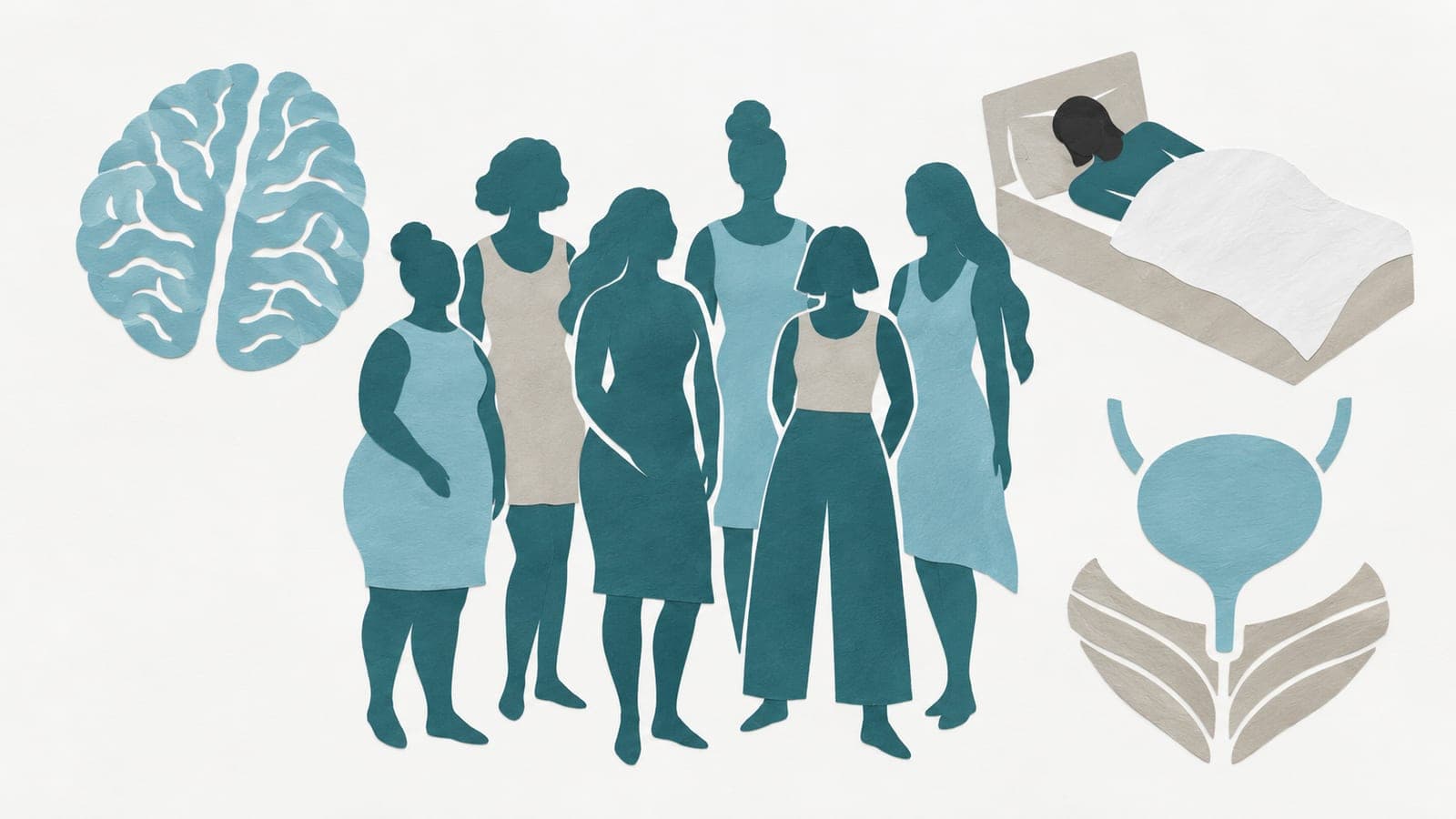
In a prospective mixed-methods study analysing quantitative data from 5,228 participants and qualitative interviews from 302 individuals across 13 countries, researchers developed a global core outcome set for menopause. Validated instruments assessed symptom severity, psychological wellbeing, cognitive function, sleep disturbance, pain and somatic symptoms, and functional outcomes. Seven domains were consistently identified across all settings: sleep disturbance; psychological wellbeing; cognitive function; pain and somatic symptoms; vasomotor symptoms, which affect temperature regulation; genitourinary and sexual health; and social, relational, and occupational functioning. These domains were strongly linked to functional impact. The framework specifies mandatory core outcomes within each domain, with secondary measures retained for context-specific research.
Why it matters
Menopause affects more than one billion people worldwide, marking an important biological transition during midlife and aging. Defining a consistent set of patient-reported outcomes helps future research and routine care evaluate the functional and psychosocial impacts that matter to individuals across diverse health systems.
Caveats
The findings are reported in a preprint and have not yet undergone peer review. The framework defines which outcomes should be measured across settings rather than testing an intervention or treatment.
The paper
Preprints.org, 8 Oct 2026, Preprint, not peer-reviewed