APN deficiency accelerates brain aging via mitochondrial associated neuroinflammation
Abstract
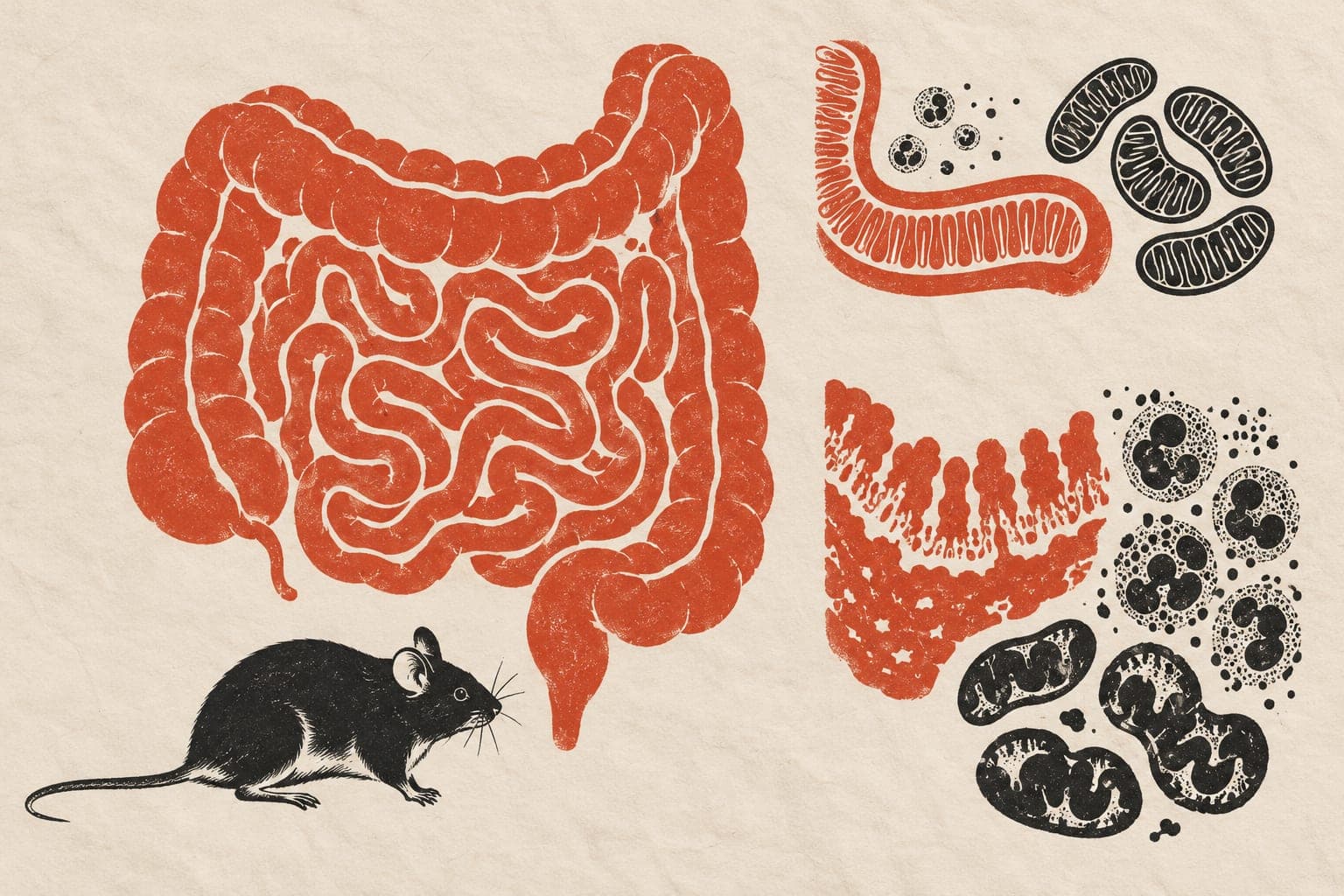
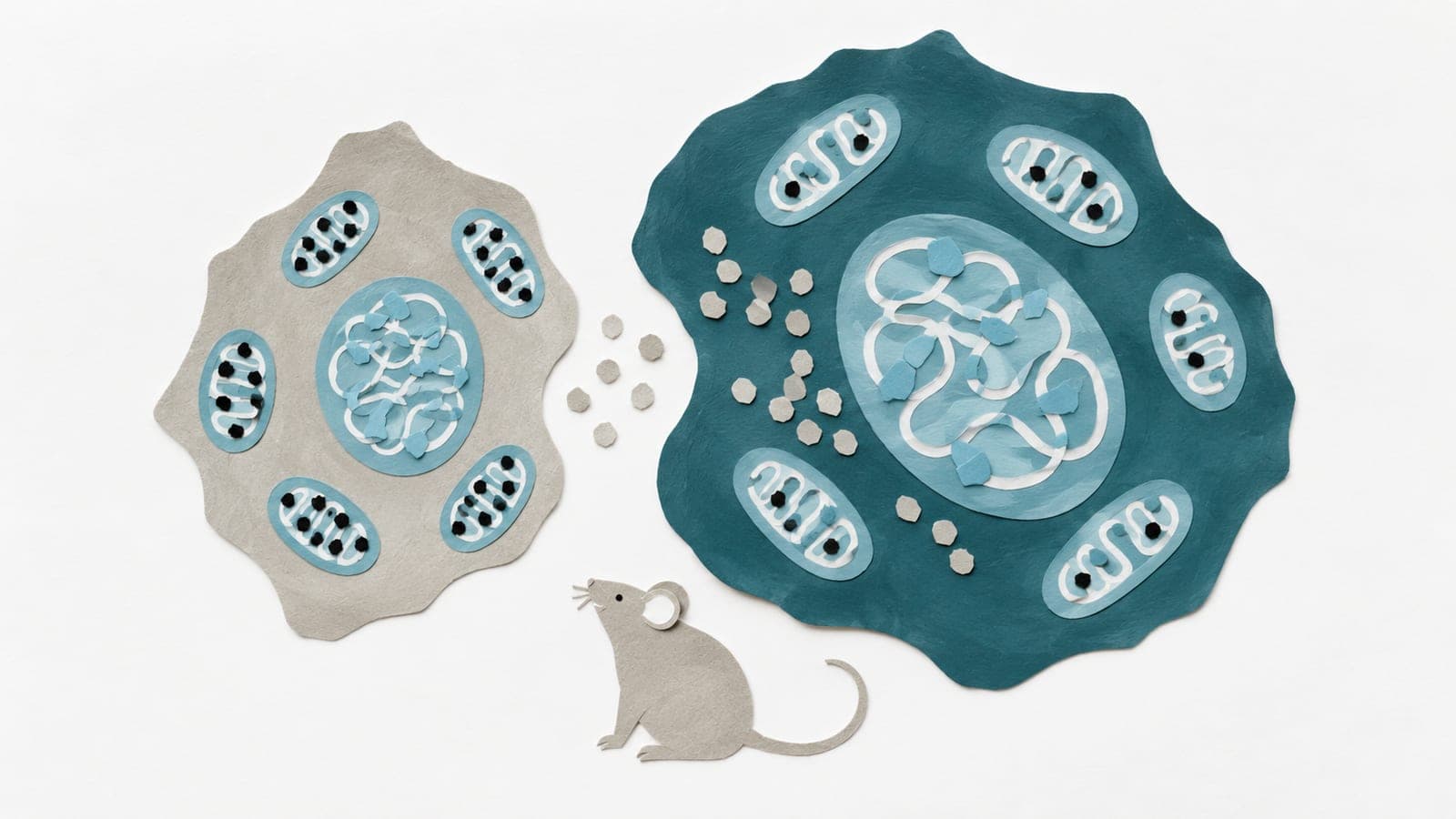
Abstract A wide spectrum of changes occur in the brain with age, from molecular to morphological aspects, and inflammation accompanied by mitochondria dysfunctions is one of the significant processes and factors associated with age. Adiponectin (APN), an adipokine important in glucose and lipid metabolism, is involved in the aging; however, their roles in brain aging have not been explored adequately. Here, we aimed to mechanistically illuminate the causal relation of brain aging with APN deficiency via multiple biochemical and pharmacology approaches while using APN KO mice, primary microglia, and BV2 cells. Initially, we found that declined APN levels in aged subjects correlated with dysregulated cytokine levels in human individuals. Interestingly, APN KO mice exhibited accelerated aging accompanied by learning and memory deficits, anxiety-like behaviors, neuroinflammation, and immunosenescence. APN deficient mice displayed aggravated mitochondrial dysfunction and HDAC1 upregulation. Accordingly, adiponectin receptor agonist AdipoRon could alleviate the mitochondrial deficits and aging markers induced by rotenone or antimycin A in BV2 cells. Further results indicated that HDAC1 antagonism by Cpd 60 reduced the mitochondrial dysfunction and improved aging-related inflammation, as validated in D-galactose treated APN KO mice. Altogether, these findings indicate that APN is a critical regulator of aging by preventing neuroinflammation associated with mitochondrial impairment of the brain via HDAC1 signaling.
The paper
Peking University; Shenzhen Center for Disease Control and Prevention
Research Square, Apr 20, 2022, Open access, CC BY, Preprint, not peer-reviewed