Rotator cuff tears are about half heritable in Danish twins
In a nationwide Danish twin study, additive genetic effects accounted for 0.49 of the variance in liability to tears, while unique environmental effects accounted for 0.51.
Limit: Hospital diagnostic codes reflect only clinically diagnosed tears and omit asymptomatic or untreated injuries
Edited by Boris Djordjevic · AgingResearch.News
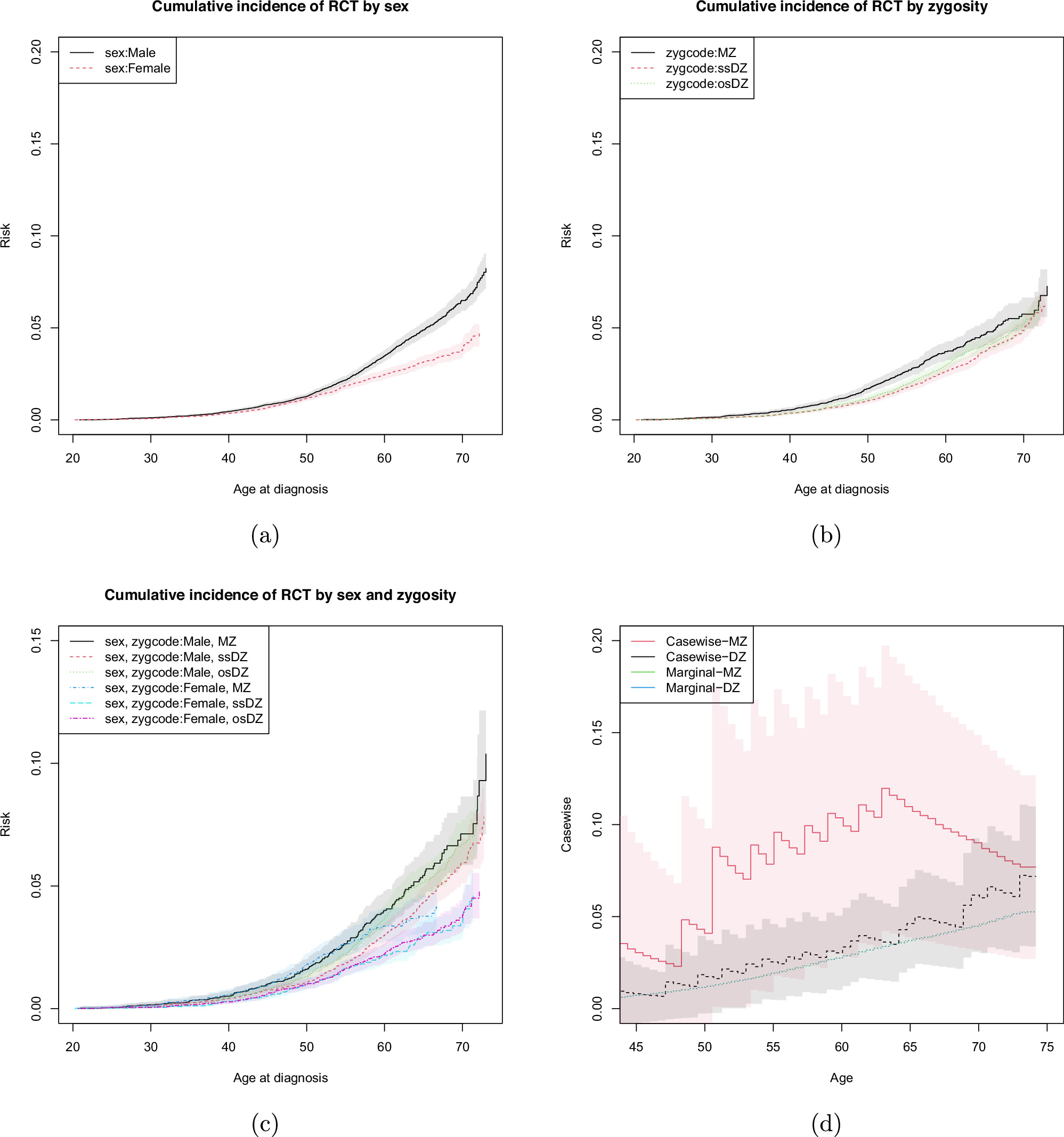
An observational study linked the Danish Twin Registry with the Danish National Patient Registry, examining identical and fraternal twin pairs born from 1940 to 1980 and alive on January 1, 1980. Researchers tracked clinically diagnosed rotator cuff tears, a major cause of shoulder pain and disability, between 1994 and 2014. By age 70, the cumulative incidence of receiving a diagnosis was 6.5% in men and 3.8% in women. The risk of a tear given a tear in a co-twin was generally higher in identical twins than in fraternal twins, most clearly among men. Biometric models indicated that additive genetic effects accounted for approximately half the variance in liability to tears, with a heritability estimate of 0.49, while unique environmental effects accounted for 0.51. Sex-stratified analyses suggested a stronger genetic contribution in men, whereas estimates in women were less precise.
Why it matters
Rotator cuff tears become increasingly common with age and are a leading contributor to musculoskeletal disability in later life. Understanding how inherited susceptibility combines with environmental wear and tear helps clarify individual vulnerability to age-related tendon damage.
Caveats
The study identified cases through hospital diagnostic codes, which reflect only clinically diagnosed tears and omit asymptomatic or untreated injuries. In addition, the findings come from a single Danish twin population, and estimates of genetic influence were less precise in women.