Prevalence of hypertension phenotypes in an urban population with low cardiovascular risk in Singapore: a cross-sectional study
Abstract
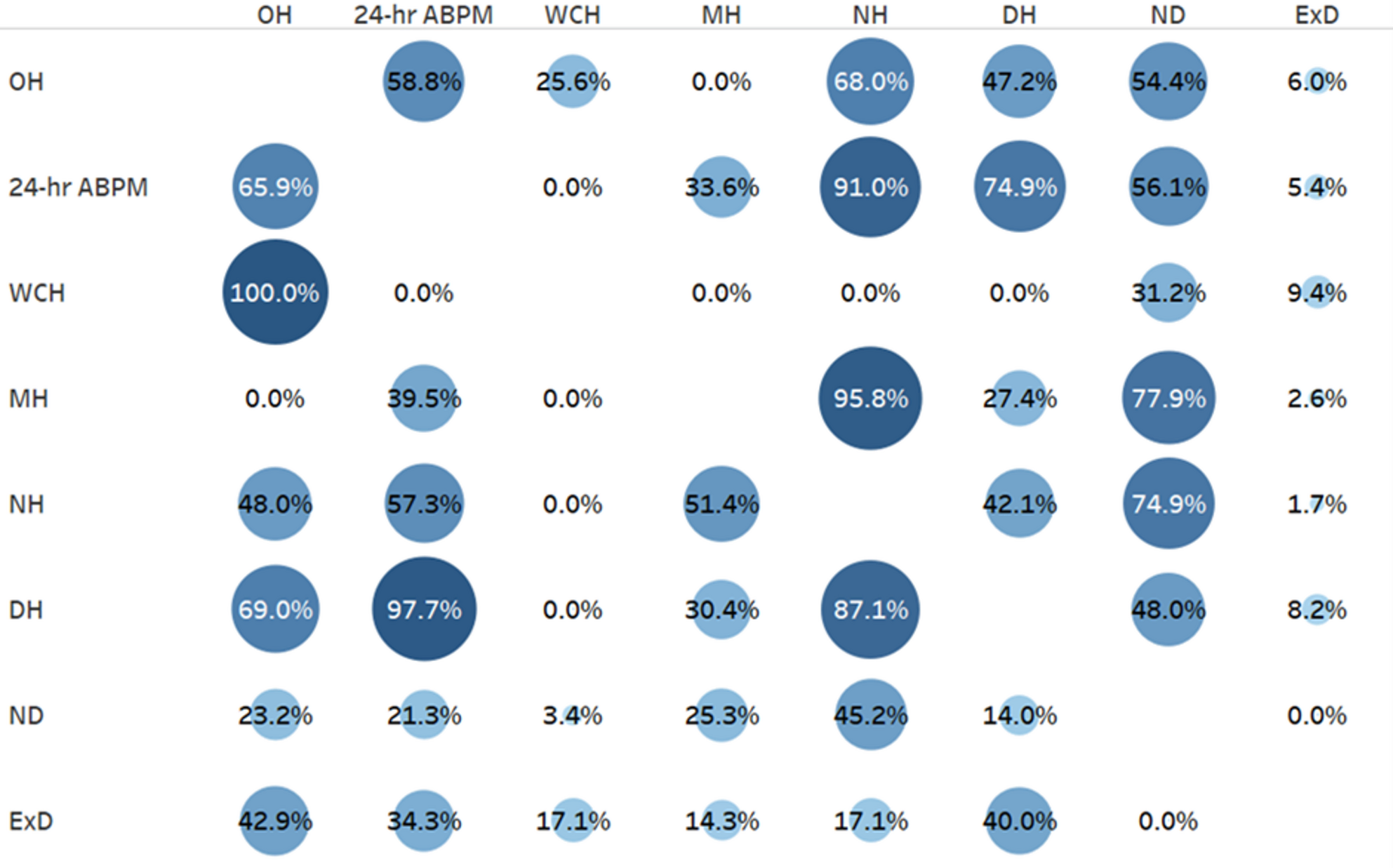
Background: Global reports on hypertension phenotypes exist, but population‑based evidence remains limited. A significant gap also persists in understanding these phenotypes within multi‑ethnic urban populations. Thus, this study aimed to determine the prevalence of hypertension phenotypes and their associated factors in a low-risk population in Singapore. Methods: The cross-sectional study analysed data from 981 adults aged 21–69 years with a low 10-year cardiovascular risk (based on the 2023 Singapore modified Framingham risk score) and not on any antihypertensives. Participants were recruited from public or clinic settings using convenience sampling. Following consent, participants completed clinical examinations and investigations using structured questionnaires and validated instruments, such as office BP and 24-hour ambulatory BP monitoring (ABPM) devices. Results: The mean age of the participants was 45.5 years (SD 11.8 years). Most were females (51.6%) and of Chinese ethnicity (91.2%). Normal body mass index (BMI) and waist circumference were observed in 47.0% and 60.7% of the cohort, respectively. Lifestyle data revealed that most participants were nonsmokers (90.9%) and engaged in physical activity (81.3%). The prevalence of hypertension was 25.5% by office BP and 22.7% by 24-hour ABPM, with 38.5% diagnosed via any ABPM target. Nocturnal hypertension (NH) was the most prevalent hypertension phenotype (36.1%), while white-coat hypertension had the lowest prevalence (6.5%). Daytime hypertension and masked hypertension (MH) were observed in 17.4% and 19.4% of participants, respectively. A non-dipping (ND) BP pattern was identified in 59.7% of the cohort. Conclusion: This study revealed a high prevalence of NH and ND, with MH emerging as the next most common phenotype in a low-risk, urban Singaporean population. These findings support the potential role of ABPM to unmask hypertension phenotypes. Longitudinal follow up of this cohort could determine their prognostic significance and implications for cardiovascular risk stratification.
- Hypertension
- Daytime hypertension
- Masked hypertension
- Nocturnal hypertension
- White-coat hypertension
- Humans
The paper
BMC Public Health, 14 Oct 2026, CC BY