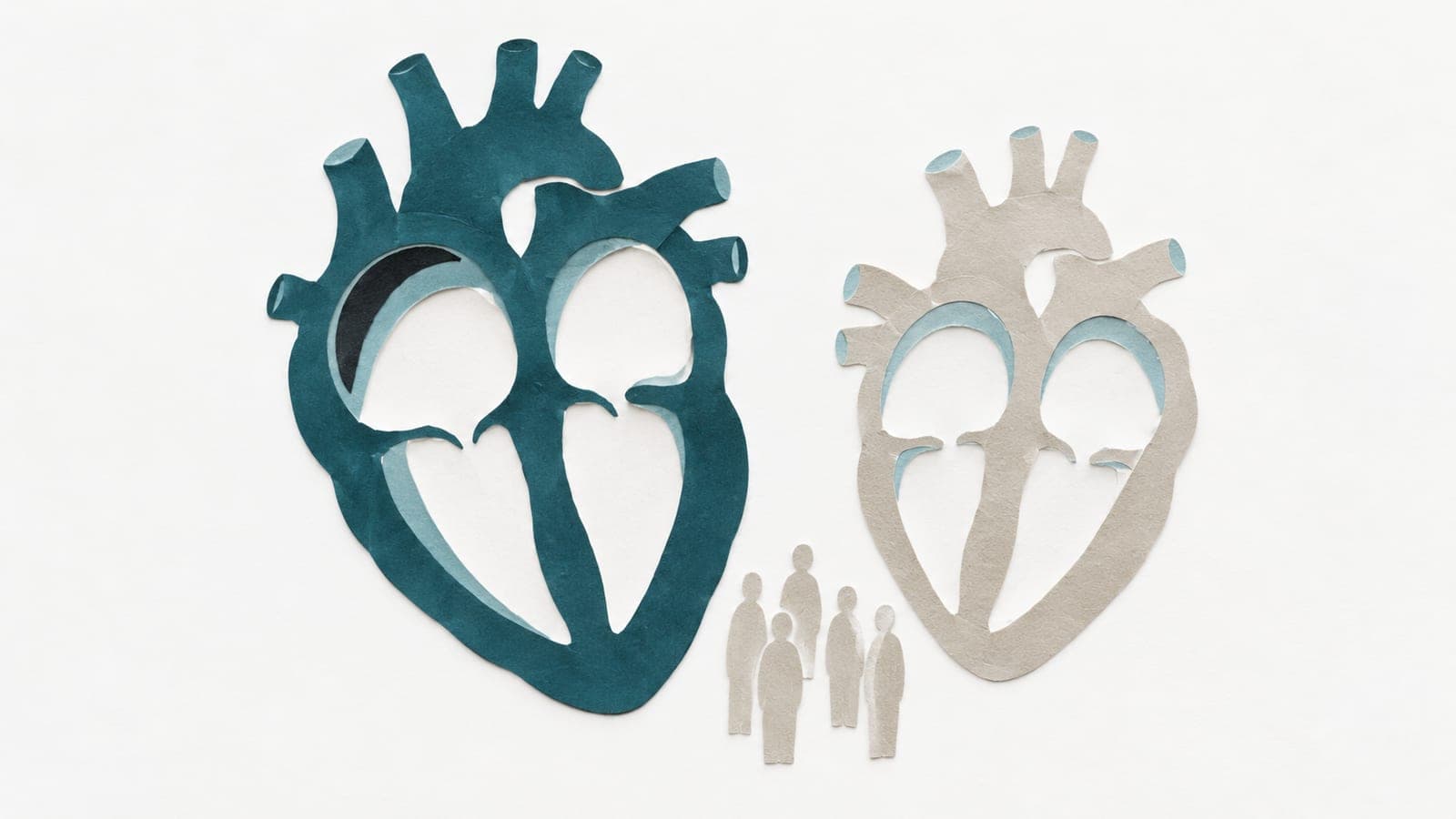
Heart chamber growth linked to later heart failure
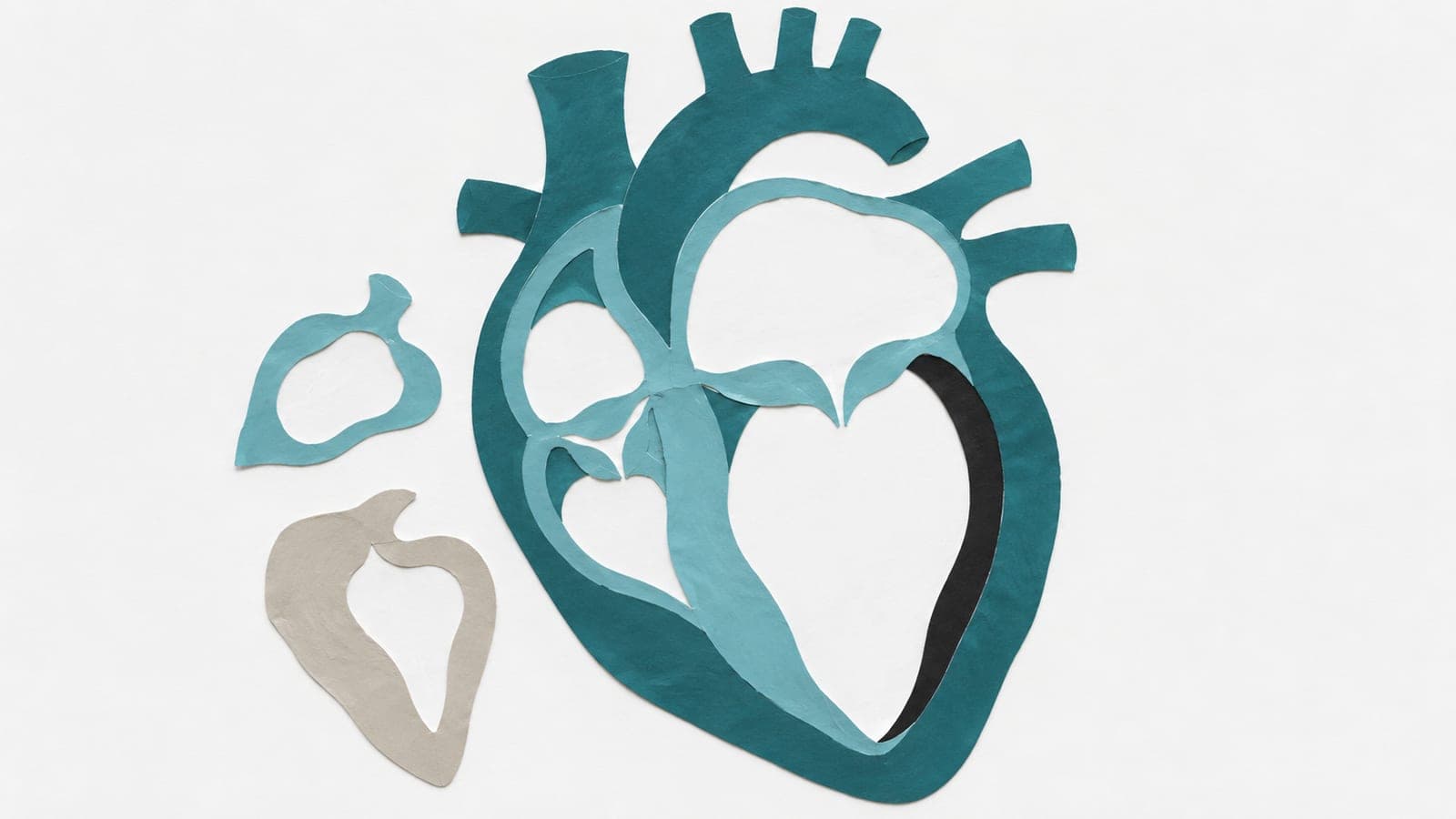
A 1-milliliter annual increase in the main pumping chamber’s volume per square meter of body surface was linked to 31% higher relative heart failure risk.
Our read
Biomarkers- Studied:
- Cohort study of 2,168 participants in the Multi-Ethnic Study of Atherosclerosis, median 8.0 years
- What changed:
- Heart failure risk was 31% higher per 1-milliliter annual increase in pumping chamber volume per square meter of body surface
- The catch:
- Changes in cardiovascular health between scans could explain both chamber growth and later heart failure
Editor of record: Boris Djordjevic · AgingResearch.News
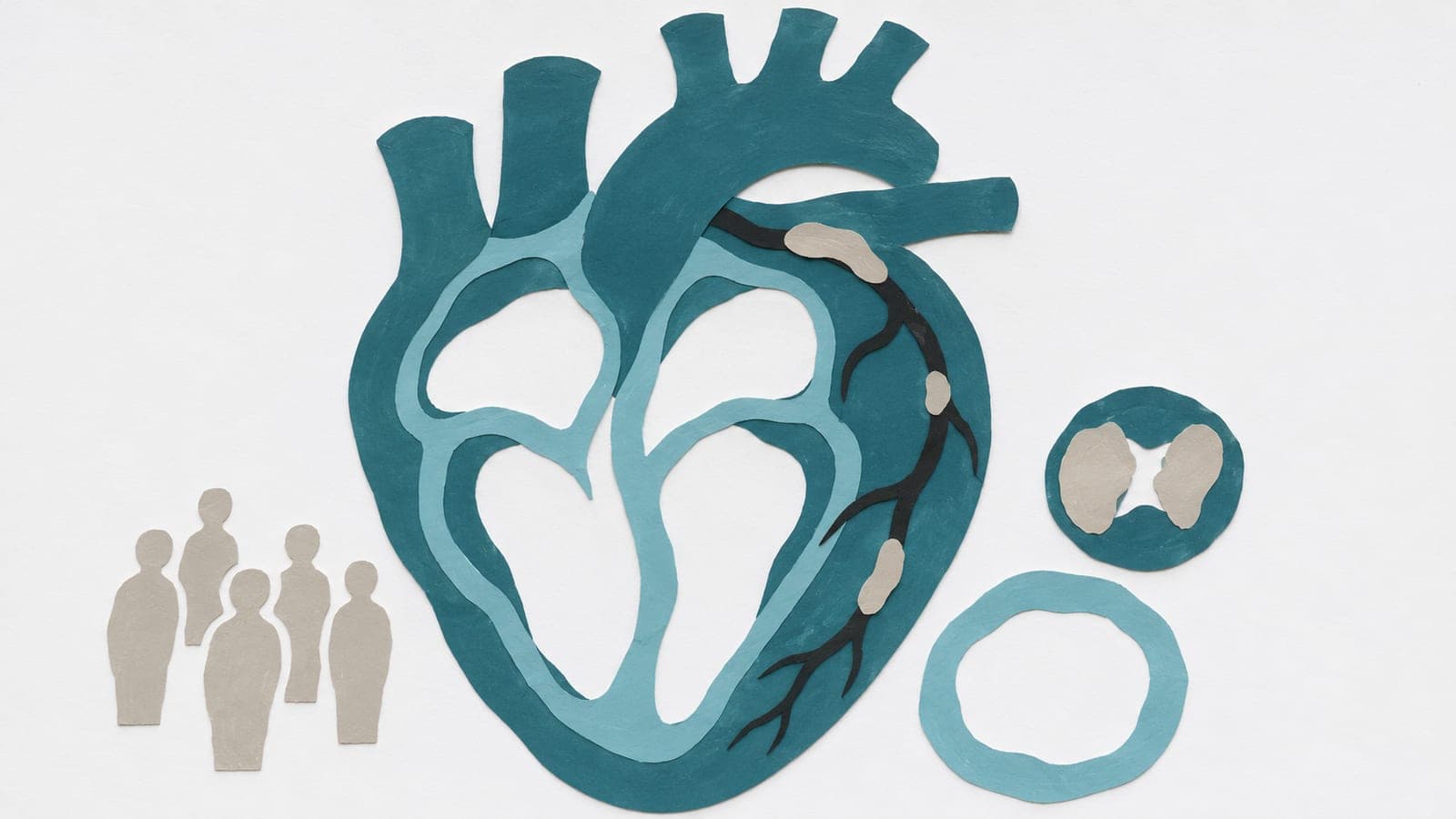
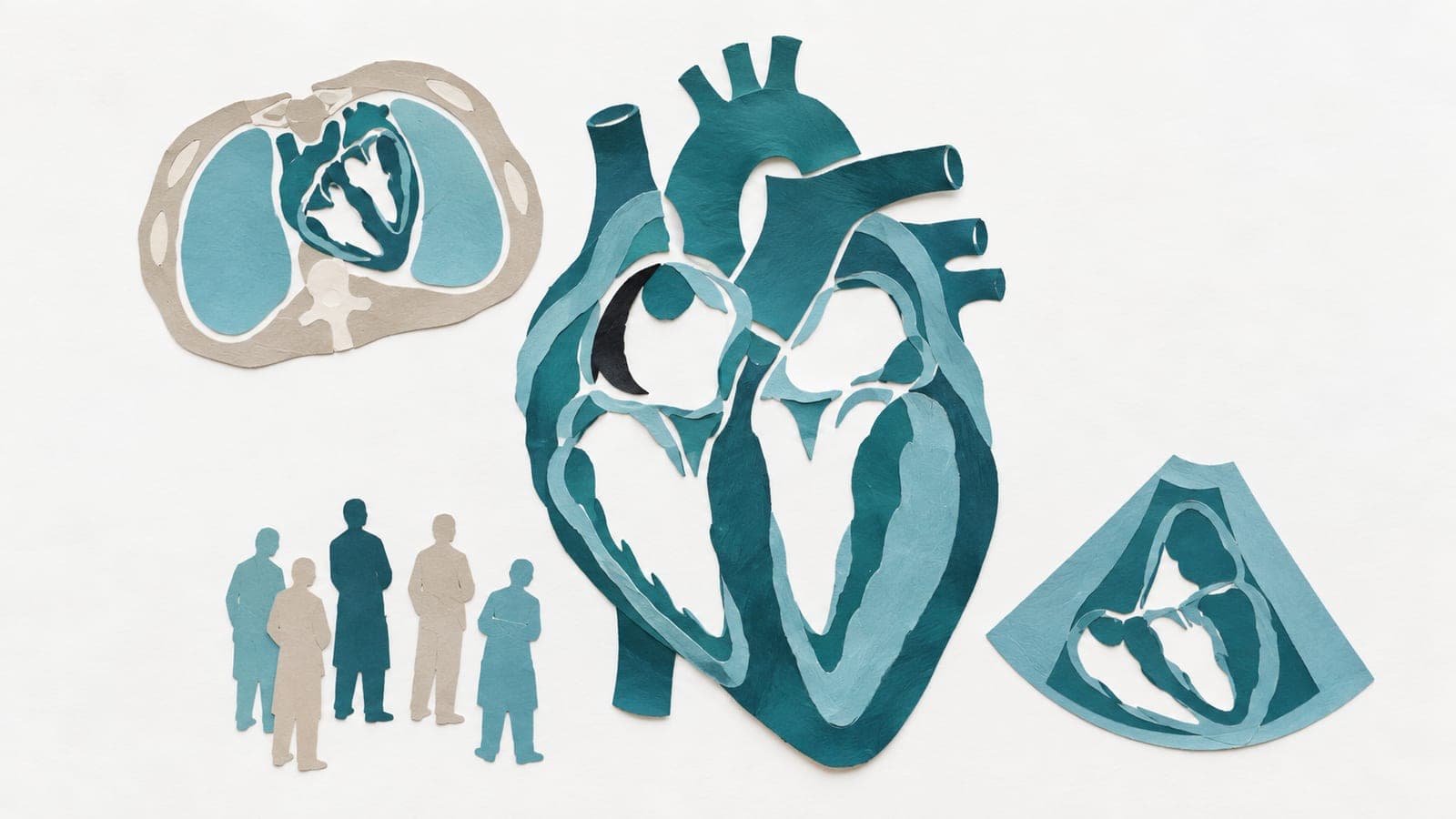
Among 2,168 participants in the Multi-Ethnic Study of Atherosclerosis, an observational analysis used artificial intelligence to measure heart chambers on coronary artery calcium scans. The two scans were an average of 9.5 years apart. Chamber volumes were adjusted for body surface area.
Growth in the left ventricle, the main pumping chamber, was linked to later heart failure after accounting for clinical risk factors and chamber size at the second scan. Among participants with normal initial chamber sizes, growth in the left atrium, an upper chamber, was independently linked to atrial fibrillation, an irregular heartbeat. Each annual increase of 1 milliliter per square meter was associated with 32% higher relative risk of that condition. Median follow-up was 8.0 years for heart failure and 7.0 years for atrial fibrillation.
Why it matters
For cardiovascular diseases relevant to aging, repeat scans may offer risk information beyond the size of a heart chamber at one point in time.
Caveats
Other changes in cardiovascular health between scans could have contributed to both chamber growth and later disease. The findings were reported in a conference abstract.
- Heart failure
- Atrial fibrillation
- Cardiovascular disease
- Incident atrial fibrillation
- Incident heart failure
- Humans
The paper
HeartLung.AI; HeartLung Technologies
AHA Scientific Sessions 2026 Abstract, Nov 2, 2026
Presented at AHA Scientific Sessions 2026, abstract 18429
Comments
Be the first to comment.